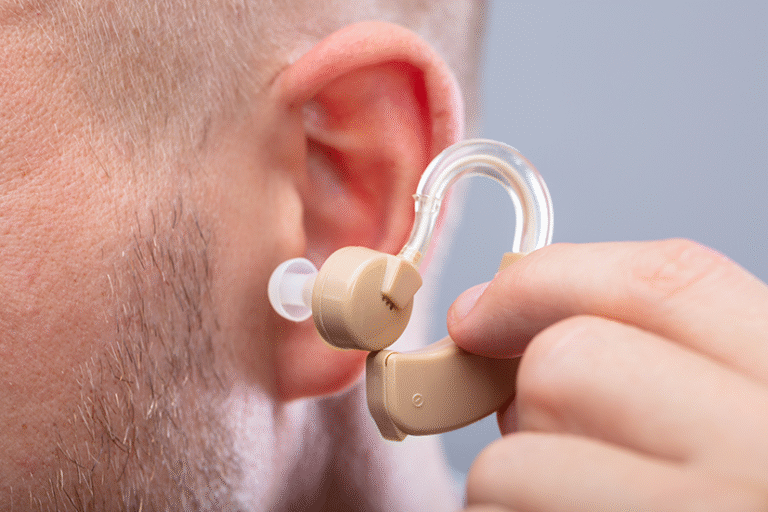
Curious about what to expect during an adult hearing test? Discover the process, environment, and tips to prepare for your upcoming assessment in our blog.
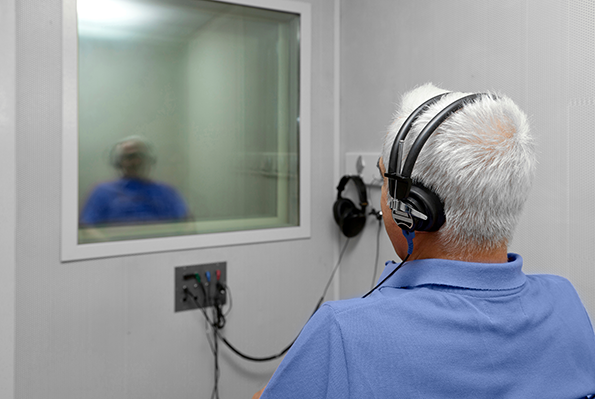
What is an adult hearing test?
An adult hearing test is a professional evaluation conducted by a licensed audiologist to assess hearing thresholds and diagnose types of hearing loss. It uses specialised equipment in a sound-controlled environment to measure how well you hear various sounds and speech.
What happens before the test?
Before entering the booth, you’ll complete a brief consultation about your medical history, noise exposure, and any current signs of hearing loss, such as:
- Difficulty hearing conversations
- Frequently increasing TV volume
- Asking people to repeat themselves
You’ll review a hearing exam checklist, answer pre-test questions, and learn what to expect. This preparation improves hearing test accuracy and helps the audiologist tailor the exam.
What is inside the hearing booth?
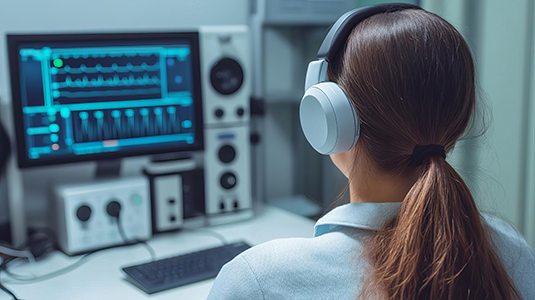
The hearing booth is a soundproof room designed to eliminate background noise. Inside, the audiologist uses hearing test equipment including:
| Equipment | Function |
|---|---|
| Headphones | Play tones and words at different volumes |
| Bone conductor | Sends vibrations to the inner ear |
| Tympanometer | Measures eardrum response to air pressure |
What are the main test components?
What is a pure tone test?
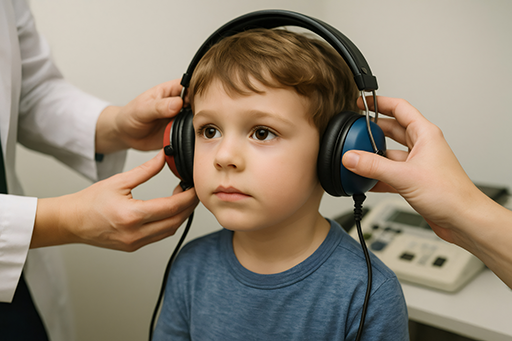
This test involves listening through headphones and pressing a button when you hear tones. It charts your hearing thresholds across frequencies on an audiogram.
What is a speech recognition test?
You’ll listen to spoken words at varying volumes and repeat them back. This measures how well you understand speech in both quiet and noisy settings.
What is tympanometry?
Tympanometry checks middle ear function by assessing eardrum movement in response to air pressure. It helps identify fluid, pressure issues, or blockages.
What is a bone conduction test?
This test bypasses the outer and middle ear using a small device behind the ear. It evaluates inner ear function and helps pinpoint the type of hearing loss.
What happens after the test?
The audiologist will explain your audiogram results, showing hearing levels such as:
- Normal: 0–25 dB
- Mild loss: 26–40 dB
- Moderate loss: 41–55 dB
- Severe loss: 71–90 dB
Based on findings, you may be referred for a hearing aid evaluation or further testing. Early hearing loss diagnosis allows for better treatment planning and hearing preservation.
How much does it cost?
Hearing test cost varies depending on location and insurance. Many health plans cover diagnostic hearing tests—confirm coverage before your hearing care appointment.
What are common myths?
- Myth: Only seniors need hearing tests
- Fact: Adults of all ages benefit from hearing checks
- Myth: All tests lead to hearing aids
- Fact: Some people require only monitoring or treatment for underlying conditions
How long does it take?
A full comprehensive hearing test typically lasts 30 to 60 minutes, depending on the number of test components and the patient’s medical history, hearing concerns, and responsiveness during evaluation.
How should you prepare?
Avoid loud noise for 24 hours before the test. Bring a list of symptoms and medications. Afterward, follow any recommendations and schedule a follow-up after hearing test if necessary.