Discover everything about Conventional Hearing Aids, including styles, features, pros, and their real-world use. Read more in our detailed blog post!
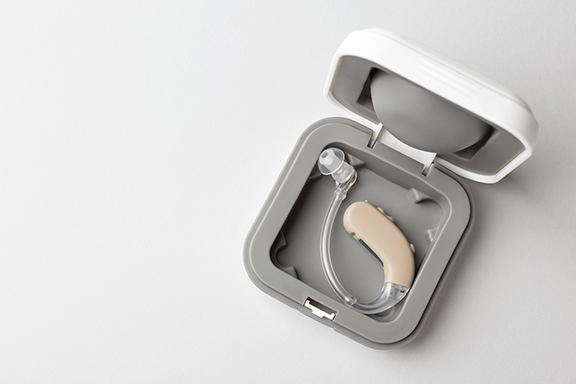
Conventional hearing aids provide basic sound amplification using analog technology. They are ideal for individuals seeking affordable, reliable, and easy-to-use solutions for mild to moderate hearing loss.
What are the main types of conventional hearing aids?
Two common types of conventional hearing aids are behind-the-ear (BTE) and in-the-ear (ITE) devices.
| Hearing Aid Type | Placement | Best For |
|---|---|---|
| BTE | Worn behind the ear | All age groups, varying hearing loss |
| ITE | Fits inside the ear canal | Adults with mild to moderate loss |
- BTE models have larger casings and stronger amplification.
- ITE models offer discretion and ease of handling for users with dexterity issues.
These hearing aid styles come in multiple sizes to match the user’s ear shape and required amplification levels.
What components do conventional hearing aids have?
Conventional hearing aids use four main components:
- Microphone: Captures ambient sound.
- Amplifier: Increases sound volume.
- Receiver: Delivers amplified sound into the ear.
- Battery compartment: Houses hearing aid batteries, usually size 10, 13, or 312.
Some models include optional hearing aid features such as:
- Manual volume controls
- Basic noise filters
- Compatibility with hearing aid accessories like tubing and earmolds
What are the pros and cons?
Why do people choose conventional hearing aids?
Conventional models are valued for:
- Lower cost compared to digital alternatives
- Longer battery life, up to 14 days per battery
- Ease of maintenance with minimal programming
What are the limitations?
Limitations include:
- Uniform amplification without frequency targeting
- Reduced performance in noisy environments
- Fewer hearing aid programming options
These hearing aid limitations make them less suitable for complex or dynamic listening settings.
How are they used and maintained?
Who uses conventional hearing aids?
They are commonly used by:
- Seniors seeking basic hearing aids
- Patients at hearing aid clinics without access to digital models
- Individuals preferring non-digital hearing aids
What maintenance is required?
Essential hearing aid maintenance includes:
- Daily cleaning using soft brushes and wax guards
- Battery replacement every 7–14 days
- Periodic checks for feedback noise and tubing wear
Most users can resolve issues using simple hearing aid troubleshooting techniques, like checking connections or replacing the battery.
How do you choose the right model?
What factors should be considered?
When choosing a hearing instrument, consider:
- Hearing aid cost: Analog models start around $300
- Hearing aid lifespan: Typically 3–5 years with regular care
- User needs: Match features with hearing loss level
Use this comparison framework:
| Factor | Conventional Aids | Digital Aids |
|---|---|---|
| Price | Lower ($300–$800) | Higher ($1,000–$4,000) |
| Sound Processing | Analog-only | Programmable and adaptive |
| Battery Life | Longer | Shorter |
| Suitability | Basic amplification | Complex sound environments |
Consulting with a licensed audiologist ensures proper hearing aid fitting and support during the adjustment period.
What brands and models are available?
Popular hearing aid brands offering analog options include:
- Starkey
- Phonak
- Siemens
Always read hearing aid reviews and verify model specs before purchase.
Conventional hearing aids remain an effective solution for individuals prioritising affordability, durability, and straightforward use in everyday hearing environments.