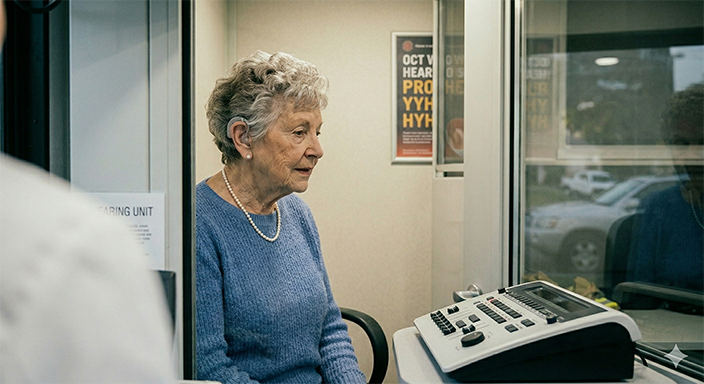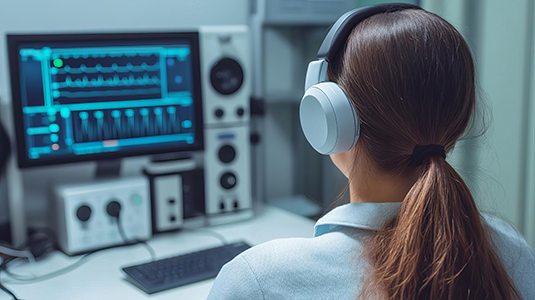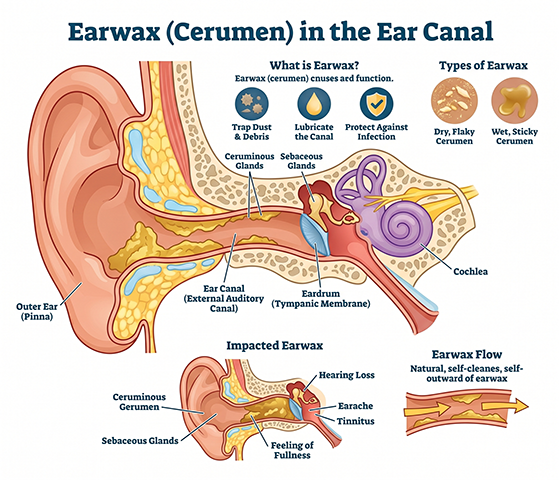
Learn what are firefighter hearing assessments and why they are crucial for maintaining safety and fitness for duty in this essential guide.
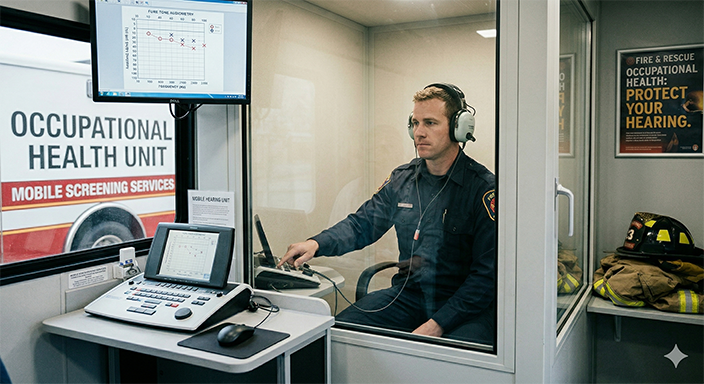
The loud sirens, the noisy water pumps, and the big fires all make firefighting a tough job for your hearing. Firefighters are always around a lot of occupational noise, so getting hearing assessments is very important. These checks help find out if there is any hearing loss or hearing impairment from being around noise at work all the time. If you do not check for these problems, hearing can get worse over the years, and that can be bad for safety and for talking to other people in the middle of an emergency. By getting tested, every firefighter can find out early if there is any impairment. This way, they can stay good at their job, use their hearing well when it matters most, and deal with loud things like sirens and water pumps without putting themselves or others at risk.
The Importance of Hearing for Firefighters in Australia
The work of firefighting needs the ear to be sharp all the time. Firefighters use their hearing in big ways. They need to catch sounds in noisy places and follow orders when everything is wild. If they be around loud noise at work for many years, they can get hearing loss. This puts them in extra danger. It can mean they do the job less well, and it can also make things risky.
In Australia, job rules and health checks are there to help keep firefighters safe from hearing impairment. It is important for each firefighter to keep their hearing in good shape. This matters not just for them, but also for the people who count on them to act fast and do things right.
The Role of Hearing in Emergency Response
Hearing ability is very important in fire department emergency work. Firefighters often work in places full of smoke where it is hard to see. In these times, they use sounds to find their way and to work together. They listen for things like alarms or a building falling, as these sounds can warn them or tell them when to leave.
Firefighters need a good auditory system, especially when things get busy and loud. They talk on the radio to fight fires or to save people, so they must trust that their hearing will not let them down. Strong hearing makes a big difference for both their safety and the success of the job.
When hearing is not good, it is not just one person who can be at risk—everyone in the team could get hurt. A firefighter must be able to know the difference between the sound of sirens, people calling for help, or equipment working. This is very important so they can act fast and safely. Hearing loss can really hurt these skills for good, so it shows why regular hearing checks are needed for all firefighters.
Risks of Hearing Loss in Fire Services
Hearing impairment makes firefighting hard for both health and work reasons. Firefighters are always around loud noise from sirens and equipment. This can harm their ears and lead to hearing loss. This kind of hearing loss is permanent and can get worse if nothing is done about it.
Hearing loss can make it hard for a firefighter to hear important sounds. This can make communication mistakes happen and raise the chance of accidents at work. If someone cannot hear well, it can hurt job performance. This can put their team at risk, especially during tough rescue jobs.
There are more problems than just work troubles. Hearing impairment can also hurt a firefighter’s mental health. Studies show that firefighters with hearing issues can feel stress and may become more alone. They are also at risk for other health issues like tinnitus. Taking action early with things like audiometric testing and using hearing protection devices helps a lot. These steps are needed for both personal health and to keep firefighting teams safe. They make sure occupational safety is protected as well.
Understanding Firefighter Hearing Assessments
Hearing assessments help check and watch over your hearing health, especially if you work in firefighting. That is a job with a lot of occupational noise and noise exposure. These tests, like audiometric testing, are used to spot any early signs of hearing loss. This helps people in firefighting hold on to good hearing ability, even though they face more danger of losing it.
The process uses different hearing tests to see what noise (measured in decibels) does to your hearing over the years. By pointing out the risks of hearing loss, the tests push firefighters to take steps early. This way, they stay ready for work and protect their hearing, even with regular occupational noise exposure in their job.
What Is Involved in a Standard Hearing Assessment?
Standard hearing checks for firefighters help measure their hearing at different decibel levels. These tests show if a person has any hearing problems or is at risk for issues like tinnitus. The hearing assessments usually have a few steps:
- Audiometric Testing: This test checks hearing at several sound levels. It covers sounds from 0.5 kHz to 8 kHz.
- Noise Exposure Evaluation: This step looks at the total noise they have faced at work. The noise is measured in decibels (dB).
- Health Analysis: This step looks out for any hearing problems from loud noises, especially for noise at 85 dB or higher.
- Hearing History Documentation: It reviews if there was exposure to excessive noise or harmful things in the environment in the past.
The assessment results help understand if a firefighter has a hearing impairment or is at risk for hearing loss. By using these tests, we get a clear idea of the person’s auditory hearing health. They check if firefighters meet the rules for occupational safety. The results also help say if there is a need to take steps to prevent hearing problems because of noise exposure.
Who Conducts the Hearing Tests?
Hearing assessments are usually done by specialists who be trained to check hearing under industry rules. Audiologists who have been approved by national institutes like the National Institute for Occupational Safety and Health (NIOSH) use exact tools to get correct results.
These professionals check firefighters for medical conditions that come from being around loud noise at work. The test results can help decide if someone needs hearing aids or other help for their hearing. This way, they can handle auditory problems in the best way.
Workplace health specialists work with other teams to lower risks. They make sure everyone knows how to use hearing protection devices in the right way. Their skills help make sure all hearing checks follow world guidelines for occupational health and occupational safety. This keeps firefighters’ hearing safe against noise exposure and other dangers found in their jobs.
Occupational Noise Exposure and Its Effects
Firefighters are often around very high occupational noise levels. This noise comes from things like sirens, engines, and tools. The environmental noise levels in their work can be much higher than what is safe. Over time, this can lead to hearing loss in many of them.
If you have no protection to help with these sounds, you might get problems like auditory dysfunction. This means you can lose or hurt your ability to hear, and sometimes the damage is permanent. That is why it is important to know how damaging these firefighting sounds can be. Knowing what these effects can do to hearing makes it possible to use good safety steps. With the right actions, firefighters can keep their hearing ability and stay well during their whole career.
Common Sources of Noise Exposure for Australian Firefighters
Firefighters hear lots of loud noises while they work. Each one can affect the ears in a different way:
- Fire Apparatus Sirens: These sirens can be louder than 120 dB, which is much more than what is safe.
- Water Pumps: When these pumps run, they make long-lasting and high-pitched sounds.
- Chainsaws and Equipment: The equipment that is needed to help in rescue jobs makes a lot of ongoing noise.
- Fire Station Machinery: The everyday environmental noise inside the fire station adds to what they hear each day.
The level of daily noise exposure for firefighters is often greater than what is safe for work. That is why it is so important to use hearing protection. Still, many surveys show that a lot of firefighters do not use hearing protectors as much as they need to, and this puts them at a bigger risk of their hearing getting worse or hearing loss.
Impact of Noise-Induced Hearing Loss on Job Performance
Noise-induced hearing loss (NIHL) can make the job of a firefighter much harder and also lower your quality of life. When you lose some of your hearing, it gets tough to know what the important sounds are. This can be things like someone trying to talk with you or a warning alarm going off. When you do not pick up these sounds, it’s harder to be fast and safe in an emergency.
Auditory dysfunction hurts the way people make choices, and this adds to the danger when doing firefighting work. In this kind of job, you really have to get all the sounds coming at you. If you have any kind of hearing loss, you might not work as well, and this could also put people at risk.
Hearing problems do not just cause troubles at work. NIHL can also mess with your life outside the job. People can feel more stressed out or very sad because of it. Doing things to stop hearing loss, like getting hearing checks often, helps fight these problems. By getting checked and taking care, you can keep your hearing working well.
Legal and Health Standards for Firefighter Hearing in Australia
In Australia, following legal rules is important for the occupational safety of every firefighter. These rules set hearing limits to stop impairment that can happen from noise exposure at work. They aim to help firefighters avoid damage from loud or harmful environmental noise.
Health checks focus on doing regular hearing tests for firefighters. This matches guidelines from safety groups. By following these laws, it helps lower the chances of hearing loss that can come from the job. This also makes sure firefighters can do their work well and keep their health in good shape.
Required Hearing Thresholds and Guidelines
Australian firefighter hearing guidelines define allowable thresholds that limit risk at various noise intensities. Below is a detailed text table explaining these thresholds:
| Noise Level (dB) | Duration of Safe Exposure |
|---|---|
| ≤ 85 | 8 hours |
| 90 | 2 hours |
| 115 | 30 minutes |
| ≥ 130 | Immediate risk |
These guidelines ensure prolonged exposure does not lead to irreversible NIHL. Audiometric tests are conducted within the limits set, emphasizing preventative measures like hearing protection devices during complex firefighting operations.
Australian Standards and Regulatory Requirements
Australian firefighter hearing standards are based on strict rules set by health laws. These rules make sure that occupational noise exposure is safe for everyone on the job.
Guidelines like ANSI/ASA S12 use clear ways to measure sound pressure when a firefighter is working. There are other set standards, such as RN-15, that say every firefighter must have regular hearing tests for occupational noise. These tests use tone audiometry from 0.5 to 8 kHz. They help find signs of NIHL before bigger problems happen.
Government groups and DOI sources (https://) stress how important it is to follow these rules. They also say it’s key to have repeated hearing checks as part of worker safety programs. By doing this, firefighters protect their auditory health at work and keep safe from high occupational noise.
The Hearing Assessment Process—Step by Step
Firefighter hearing checks use a detailed plan to get the best and most reliable results. The process starts with a full look at medical history. This is to see if there have been any health issues with hearing before or if there were times the ears were at risk.
There is a step-by-step test. It begins with checks for how well the ears hear sounds and moves to a close look inside the ears. All possible problems with hearing be watched for. This careful way helps every firefighter keep good hearing. They can also fix anything abnormal right away.
Pre-Test Preparation and Medical History
Getting ready for a firefighter hearing test needs some important steps so it is right. The first thing is that candidates give their medical histories. This records any of their past health issues, things that they had before, or times they were in dangerous places. This can also tell if they have auditory problems.
In the meeting, they talk about habits like smoking or being around chemicals. They also explain how these things can raise the chance of having hearing problems when being tested. To get the best results for hearing, they make the room quiet. There is no background noise, so the test is very clear.
When the experts look at all the health issues and the person’s medical history, they help decide what is best. This way, firefighters can stay healthy while at work and worry less about losing their hearing.
Audiometric Testing and Interpretation
Audiometric testing checks important pitches to help know if someone has hearing impairment. Many firefighter audiograms can show levels that are higher than what is safe. This often happens because of NIHL risks from being around loud sounds on the job.
The results from these tests need to be looked at using rules for occupational noise exposure. The level for this is often more than 85 dB. This helps find problems like tinnitus and other auditory dysfunction linked to firefighting. The analysis uses detail with tone checks every 0.5 kHz. This shows if there are any problems in the cochlea.
Going over these findings makes sure any needed treatment can happen right away. This helps to stop more damage from building up from too much loud noise.
How often do firefighters need to have their hearing assessed?
Firefighters have their hearing checked often, usually once a year. This helps keep track of their hearing health. The job has a lot of occupational noise. So, they are at risk for hearing loss. These yearly hearing tests help find any early signs of hearing loss. This can help stop further impairment to their auditory system in the future.
What happens if a firefighter fails a hearing test?
If you do not pass a hearing test, you may need to get help such as hearing aids or medical care. These steps are important to handle the hearing impairment. Firefighters who have trouble with their hearing ability may need to stop working for a while or do a different job until their auditory health meets the needed standards.
Can hearing loss be prevented on the job?
Yes, you can stop hearing loss if you use hearing protection devices in the right way. You also need to follow all the rules for occupational safety. It helps to not be around excessive noise for a long time. For firefighters, the best thing is to always use these steps to protect their ears and look after their auditory health during their years at work.
Are there specific hearing protection devices for firefighters?
Firefighters use special hearing protection devices at work to help with the problem of occupational noise. These are usually earplugs or earmuffs made for the loud noises found in fire stations and during emergencies. These devices help protect their hearing and keep their auditory health safe in such noisy places.
Is tinnitus common among Australian firefighters?
Yes, tinnitus is common in Australian firefighters. This is because they are often around loud noise at work and may be exposed to certain harmful chemicals. Studies show that tinnitus often happens with hearing loss caused by this kind of noise on the job. This can affect how well they hear and their quality of life.