Curious about whether diagnostic tests can detect Meniere’s disease? Discover the answer in our practical guide on getting tested right.

Meniere’s disease is an inner ear disorder. It can cause problems with hearing and balance. A person with this may have episodes of vertigo. This means they feel like everything is spinning. Sometimes, their hearing will get better or worse. There can also be ringing in the ears. These symptoms can change each day. This makes life hard for people who live with it.
It is good to find this inner ear problem early. Early detection can help doctors see what is wrong and what to do. If you know what causes Meniere’s disease, you and your doctor can pick the best tests and treatments. A doctor who knows the inner ear can spot trouble with fluids in the ear. When someone gets the right help, their quality of life can be better.
What is Meniere’s disease?
Meniere’s disease is an inner ear disorder that is not common. It makes people have long-term problems with balance and hearing. The issue starts in the membranous labyrinth, a part of the inner ear. This place sends messages about sound and balance to the brain. In this disease, there is a build-up of fluid in the inner ear. This is called endolymphatic hydrops. When this fluid collects, the inner ear does not work like it should.
This kind of inner ear trouble can lead to vertigo attacks. A person might feel the room is spinning. A person may also get hearing loss or feel ringing inside the ears. The membranous labyrinth has a fluid called endolymph. Special cells use this fluid to send important signals to the brain. These signals help with balance and hearing.
If there is too much endolymph, the pressure inside the inner ear goes up. This makes it harder for the ear to keep balance and to tell the brain what it gets from sound. The problems of meniere’s disease do not happen all day, every day. They can come and go. It is not always easy for people to know what is wrong quickly. That is why it often takes time to find out if someone has this inner ear disorder.
What are the main symptoms of Meniere’s disease?
Meniere’s disease is a long-term inner ear disorder. It mostly changes the hearing and balance in one ear. The issues show up in sudden bursts. It is hard to know when these will happen. When they do, it can feel very upsetting. This inner ear problem can really affect your day.
- Vertigo – this is when you feel like everything is spinning. It can last from 20 minutes to a few hours.
- Hearing loss – this can get better or worse over time. It mostly happens in one ear, and the affected ear may feel different on some days.
- Tinnitus – this is when you have a ringing, buzzing, or roaring noise in the affected ear.
- Ear fullness – you feel like there is pressure in one ear, or it feels blocked. Most times it is just in one ear.
- Balance problems – you might feel unsteady or off balance. This usually happens after you feel vertigo.
- Nausea and vomiting – very strong dizziness can make you feel sick and cause vomiting.
- Sensitivity to loud sounds – some normal sounds may feel very loud to you and can hurt your ears.
What causes Meniere’s disease?
The real cause of Meniere’s disease is not known. Many people say it could be because different things affect how fluid moves in the inner ear. Experts think this mix of things in the inner ear is what brings on Meniere’s disease.
- Abnormal inner ear fluid buildup – Too much fluid inside the inner ear can mess up how balance and hearing work.
- Viral infections – A person may have had a virus before, and it can hurt the inner ear and cause problems later.
- Autoimmune response – The body can get mixed up and start to attack its own inner ear tissues.
- Genetic predisposition – If someone in your family has it, you or others may be more likely to get it too.
- Migraine – Many people with Meniere’s also get migraines, so there may be a connection between them.
- Allergies – Food or things in the air can take part and change the pressure in the inner ear.
- Head trauma – A hit or injury to the head or ear can damage inner ear function.
- Poor drainage or blockage – When the endolymphatic sac or duct is blocked or does not drain well, normal fluid movement in the inner ear can stop.
Diagnostic Approaches for Meniere’s Disease
Meniere’s disease diagnosis checks for main signs like strong vertigo and hearing loss. A doctor will look at your medical history and try to find out if there are other causes. Tests such as MRI and audiometry help the doctor see if the inner ear or hearing have problems. Some tests check your balance and inner ear function. Blood tests are used to look for autoimmune disorders or infections. A good diagnosis comes from several tests that fit with the person’s symptoms and medical history.
Importance of Accurate Diagnosis
Meniere’s disease is a health problem that lasts for a long time. It can make quality of life tough. People can feel dizzy and have trouble hearing. A correct diagnosis is key for good treatment. Doctors might ask you to change your lifestyle or take some medicine for this. They use set rules to look at your symptoms and check for problems that may be getting worse. A doctor might do some hearing or balance tests to see if you have any other health issues. Knowing just what the disease is will help give the right treatment. It can give people some control over their symptoms. This helps them deal with daily life better. Going to your doctor or a specialist often can keep your diagnosis correct and makes sure your care will change when you need it.
Initial Assessment and Medical History Review
The first thing to do if you feel you might have Meniere’s disease is to let your doctor check your medical history. You will talk with your doctor about your symptoms, when you feel them, and how strong they are. This helps the doctor know if it could be Meniere’s disease or if it is something else.
- Detailed symptom history – keep a record of vertigo, hearing loss, tinnitus, that feeling of fullness in the ear. This will help you and your doctor see how things change over time in the inner ear.
- Episode frequency and duration – write down how often you get vertigo and how long each time lasts. This can help find patterns in the symptoms.
- Hearing changes over time – watch for any changes or slow loss of hearing. Keep notes if you feel your hearing is getting worse.
- Balance and coordination issues – notice if you feel steady or have trouble standing or moving. Think about how often this happens during or between episodes.
- Family medical history – check if there are any other people in your family with problems with hearing, loss of hearing, or the inner ear. These things can sometimes run in families.
- History of infections or trauma – look back at any health problems or injuries in the past that might hurt the inner ear.
- Use of medications – list the medicines you are taking now or have used before. Some medicines can cause problems with hearing or the inner ear.
- Exposure to allergens or stress – pay attention if allergies or stress make your symptoms feel worse. These things can affect your inner ear and loss of hearing.
How is a VEMP test used for Meniere’s disease?
A VEMP test is done to check how well the inner ear works. It looks at the otolith organs in the inner ear. These parts help you keep your balance. The test can help find signs of Meniere’s disease. It shows if there are any problems with vestibular function.
- Measures muscle responses to sound stimuli – this is used to see how well the vestibular nerve in your inner ear is working.
- Detects dysfunction in the saccule or utricle – the saccule and utricle are two parts in the inner ear that can sometimes have problems because of meniere’s disease.
- Helps differentiate meniere’s from other vestibular disorders – with this, your doctor can know if you have meniere’s disease or some other problem with the inner ear.
- Assesses unilateral vestibular loss – this will help to find out which ear is having the problem.
- Monitors disease progression or response to treatment – over time, this helps you and your doctor check if things are getting better, worse, or staying the same with treatment.
- Non-invasive and quick to perform – it is safe, does not hurt, and be done fast at the clinic, so it is a good test for many people.
How does an MRI rule out Meniere’s disease?
MRI scans are used to look for other things that might cause the same problems as Meniere’s disease. These can be tumors like vestibular schwannoma, issues in the brain, or differences in the way the body is built. The scans help show if there is a problem with the central nervous system. This way, you can know the symptoms are not caused by something else. The scans help doctors rule out other reasons for the symptoms. But, MRI scans cannot fully show if you have Meniere’s disease.
Role of Hearing Assessments in Diagnosis
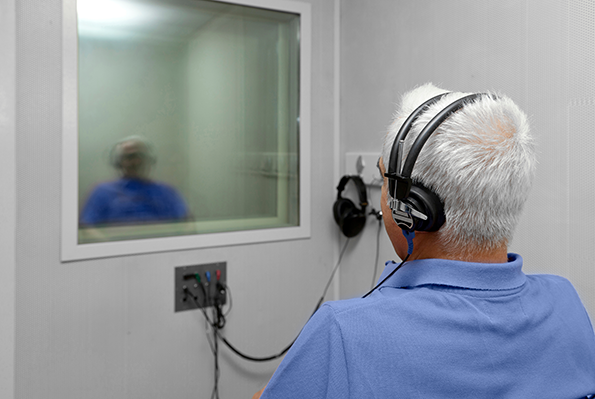
Hearing checks are needed to find out if someone has Meniere’s disease. They help find changes in sensorineural hearing loss inside the inner ear. One test, called pure tone audiometry, shows how well you hear sounds. Speech audiometry checks if you can hear words clearly. Tympanometry helps to look for any issues in the middle ear. Electrocochleography finds if there is extra fluid pressure in the inner ear. The auditory brainstem response test looks at how your nerve paths are working. By using all these tests together, doctors can make a good diagnosis for hearing loss.
Types of Hearing Tests Conducted
Hearing tests check different parts of how your ears work. These tests help to find problems like meniere’s disease. They show how well you can hear and how healthy your middle ear is. They also check how your nerves work in your ear and the level of fluid in your inner ear. All these tests give a clear picture of how the hearing and balance systems in your ear work.
| Test | Purpose |
|---|---|
| Pure tone audiometry | Measures hearing sensitivity across sound frequencies |
| Speech audiometry | Assesses speech recognition and clarity |
| Tympanometry | Checks eardrum movement and middle ear function |
| Electrocochleography (ECoG) | Detects abnormal inner ear fluid pressure |
| DPOAE | Tests outer hair cell function in cochlea |
| Auditory brainstem response (ABR) | Evaluates auditory nerve pathways |
| Vestibular evoked myogenic potentials (VEMP) | Assesses vestibular function |
Interpreting Hearing Test Results
Results from hearing tests show you and your doctor how well your inner ear works. These tests also tell you the state of your hearing health. If you have fluctuating hearing loss, mainly at low frequencies, there is a chance that you have Meniere’s disease. You are even more likely to have it if you feel episodes of vertigo or aural fullness.
Tests such as speech audiometry and auditory brainstem responses help doctors know the amount of sensorineural hearing loss you can get. These tests also let them see how your hearing loss might change your quality of life. Knowing this is important. It can lead to good care and make it easier to handle balance disorders when you have an inner ear disorder.
Vestibular Evaluations Explained
Vestibular tests are used to see if your inner ear and brain are working well to keep your balance. These tests look at your eye movements, your reflexes, and how your body reacts in different situations. They help find out if someone has trouble with balance that comes from Meniere’s disease or other issues with the inner ear.
| Test | Purpose |
|---|---|
| Videonystagmography (VNG) | Tracks eye movements to assess balance function |
| Electronystagmography (ENG) | Records involuntary eye movements linked to vestibular activity |
| Rotational chair test | Measures balance response to spinning motions |
| Caloric test | Stimulates ears with warm or cold water or air |
| Vestibular evoked myogenic potentials (VEMP) | Tests balance reflexes |
| Posturography | Analyzes body sway and balance control |
| Dynamic visual acuity test | Measures vision stability during head movement |
What Results Indicate Meniere’s Disease
There are signs that doctors look for to find out if someone has Meniere’s disease. A person with this inner ear disorder can have fluctuating hearing loss. This means their hearing may change from time to time. The hearing loss is often at low frequencies. A person can also have episodes of vertigo. They may feel their affected ear is full.
When doctors check the vestibular function, they may see abnormal eye movements. This can show that something is not right in the inner ear. A doctor may use MRI scans to see the affected ear better. Sometimes, a doctor can see things such as endolymphatic hydrops in the ear with these scans. Seeing these changes makes it easier for doctors to know if someone has this inner ear problem.
Which specialist performs these tests?
Specialists who work with balance disorders and Meniere’s disease will do the tests. They know how to find and help with problems in the ear, hearing, and balance. These people have training so they can help you get better.
- Otolaryngologist (ENT specialist) – looks at and treats ear problems and balance disorders.
- Audiologist – gives hearing and balance tests, then explains what the results mean.
- Neurologist – checks the patient if it is important to find out if there are nerve problems.
- Neurotologist – is an ENT with extra training to treat hard-to-fix ear and balance disorders.
- Vestibular therapist – gives balance tests and teaches balance exercises after the first diagnosis to help people who have balance disorders.
Is a referral needed for diagnosis?
A referral can help you learn if you have Meniere’s disease. This is a way to get to the right specialists. An ENT or an audiologist will do all the tests you need for this. They will look at your test results in the right way. You can trust these people to make the best care plan from what they find. Always talk to your healthcare provider first.
How often should tests be repeated?
People with Meniere’s disease need to get tests done every 6 to 12 months. How often you go in to see the doctor can change. It depends on how bad the symptoms are and if they get worse as time goes on. It is good to work with your specialist for this. They know what to do and can help you choose the best time for your tests. Your doctor will look at your health and what you need before making a plan for you.
What is the most reliable test for diagnosing Meniere’s Disease?
The best way to find out if someone has Meniere’s disease is to use both hearing tests and balance checks. These tests help the doctor study the inner ear and see how well the inner ear function is working. The doctor should do both tests, not just one. This is important because Meniere’s disease can make it hard to hear and can also cause balance problems. By looking at both things at the same time, doctors can be sure the diagnosis is right.