Learn how to monitor progressive hearing loss effectively. Spot the signs early and take control of your hearing health with our comprehensive guide.
Progressive hearing loss does not show up overnight. It goes up slowly with time, and it can really hurt the way that you hear. There can be a few reasons for this, like aging, some things in your genes, or being around loud sounds and noise exposure a lot. This type of hearing loss should be found early and watched closely, so you can keep your hearing safe. When you know how progressive hearing loss works, you know what to look for and when to act. You can get to hold on to your best quality of life and keep talking with your friends and others.
Understanding Progressive Hearing Loss
Progressive hearing loss is a common issue affecting many people worldwide. It slows down over time due to sensorineural issues or other factors. Factors contributing to hearing loss include aging, which can affect the cochlea and increase the likelihood of hearing loss. Exposure to loud sounds can also exacerbate the issue. Understanding the causes of hearing loss and its types can help individuals take care of their ears and find ways to maintain good hearing.
What Is Progressive Hearing Loss?
Progressive hearing loss, also known as sensorineural hearing loss, occurs when people gradually lose their hearing over time due to the breakdown of sensory cells in the inner ear, such as hair cells and the auditory nerve. This type of hearing loss takes time to develop and does not improve on its own. It typically affects both ears in the same way. Progressive hearing loss is often caused by prolonged exposure to loud sounds or as people age.
As the cochlea in the ear changes, the outer hair cells in the ear, known as presbycusis, begin to break down, causing the ear to struggle to pick up sound waves as well as before. This condition cannot be reversed, but proper support can help individuals manage their hearing loss. Hearing aids and other tools can help improve their quality of life, even if progressive hearing loss is a permanent condition.
Common Causes in Australia
In Australia, many people experience progressive hearing loss due to various factors. Noise exposure, such as loud sounds in construction or aviation jobs, and activities like shooting, can cause hearing loss to worsen over time. Middle ear problems, such as otitis media or other middle ear diseases, can also make it difficult to hear. These conditions can cause ear swelling or malfunction, and may require medication or surgery.
Genetics also play a role in hearing loss, with conditions like Usher Syndrome appearing in adulthood, which can affect the external ear canal and lead to permanent hearing loss. People in Australia who work in noisy places or spend time in loud areas are at higher risk of hearing loss.
Hearing loss can occur to people of all ages, and it can be caused by various factors, including middle ear problems, otitis media, and excessive noise exposure. Some types of hearing loss, like Usher Syndrome, are genetic and can lead to hearing loss and vision loss. If you suspect hearing loss, it is essential to seek medical help to understand the cause and find the best treatment.
Early Warning Signs to Watch For
Noticing the first signs of hearing loss can be tough. At first, the symptoms show up in small ways. A lot of people say they have to work hard to make out what others say. Some keep turning up the TV, too. It is easy to miss these signs.
If you ignore these signs, you could have more problems later. You might pull away from friends and family. This can lead to social isolation. You may also find that it is hard for you to notice sounds around you. When hearing loss gets worse with time, these problems may grow. If you see these signs early, you can act fast. This will lower your risk for bigger issues. Acting sooner helps you keep your hearing loss in check, and keeps your quality of life up.
Subtle Symptoms That Often Go Unnoticed
Many people have hearing loss and do not know it. The signs can be hard to see. These signs show up in everyday life. But many people ignore them.
- You may find it hard to hear others when you are in noisy places, like a restaurant.
- There can be ringing or buzzing sounds in the ears, which is called tinnitus.
- It may be tough to pick out sounds with the right ear or the left ear.
- You might skip social events because talking to people becomes stressful.
- The TV or your devices may always be set at a higher volume than usual.
How Hearing Loss Progresses Over Time
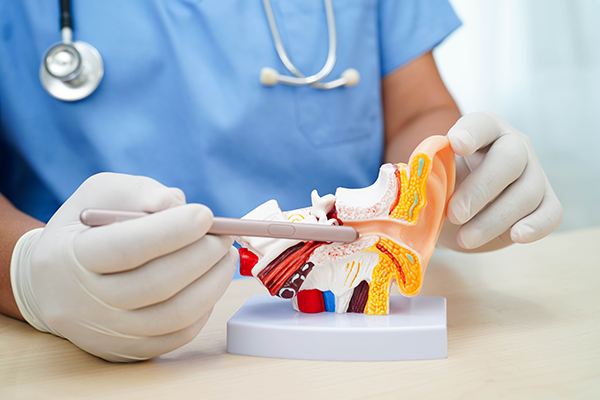
The progression of hearing loss happens slowly and continues to build as time goes by. Most of the time, hearing loss starts when sensory cells in the ear get damaged. These sensory cells are called hair cells and are found inside the cochlea. If the hair cells are hurt, they do not heal. This can lead to profound hearing loss.
Audiometric tools, like the pure tone audiogram, are used to track the progression of hearing loss. These tools test how you respond to different intensity of sound and pitch levels. As the years go by, both air conduction and bone conduction thresholds usually get worse. People may notice that the sounds they hear are not clear. This can make it harder for them to understand what others say.
When people do not get help for hearing loss, it can make mental health problems get worse. It can also hurt how they think and how well they do things in daily life. This is why you need to check hearing often. Doing this helps people get the right treatment on time. It can stop the damage from becoming profound hearing loss.
Risk Factors Unique to Australians
Australians face some special things that can make hearing loss more likely. A big reason is age. Older adults often get this problem as they go through more years of age. Where people live and what they do every day can also raise the risk for people of all ages.
Loud noise at work and having family members with hearing problems are two things that can cause hearing loss. When people know about these risks, they can go to experts and get help early. This can make hearing loss not get worse and helps them use the best ways to take care of their ears. These steps are good for everyone, and they are even more important for older adults and their hearing health.
Age and Genetics
Age plays a big role in hearing loss. This is true for many older adults. Research shows that the prevalence of hearing loss is much higher in people over 60 years of age. As you get older, the chance of having hearing loss goes up a lot.
Some hearing loss can be found in families and is caused by genetic reasons like Usher Syndrome. A person with hereditary issues may start to lose their hearing when they are young or later when they grow up. If hearing loss is in your family, it is good to have hearing checks often.
In Australia, many people get hearing loss because of getting older or sometimes because of what they get from their family. This can make them have more risk than other people. There are steps you can take to stop hearing problems before they start. Doing this can help you keep your hearing good for a long time.
Occupational and Environmental Exposures
Occupational conditions and environmental noise in Australia can make hearing loss get worse over time. Progressive hearing loss may also be caused by things like rheumatoid arthritis, which is an autoimmune disease. Working in construction or mining can add to the risk. Over the years, this work can make the damage more serious.
| Exposure Type | Impact on Hearing |
|---|---|
| Noise exposure | Loud sounds break down hair cells when heard again and again. |
| Occupational exposure | Working many hours near loud machines hurts your hearing. |
| Environmental exposure | Being at concerts or motor races also puts your ears at risk. |
| Middle ear disease | Illness makes it hard for the middle ear to move sound because of swelling. |
| Tuning fork tests | Tuning fork tests can show early warning signs of trouble. |
Many people in Australia need to find ways to deal with these risks. You can use earplugs to help protect your hearing. You should also go to a doctor once a year for a hearing test. This will help you keep your hearing safe and healthy.
Effective Methods for Monitoring Hearing Changes
You can keep an eye on changes in hearing by using new tech or by having simple check-ups. Hearing tests are still very important for this. The tests often use bone conduction and air conduction to help find any problems with your hearing.
You can use tools you have at home, or you can go to a pro for hearing checks. Both of these can help you watch your hearing health. If you make it a habit to check often, you may find problems early. This way, your hearing can stay good for a longer time.
Home-Based Hearing Checks
Self-monitoring your hearing health at home is now easy. You can try some well-known ways to do this:
- Tuning fork tests: You can use tuning fork tests, as they are simple tools that help check for hearing loss. They help find out if you have conductive or sensorineural hearing loss.
- Online screening: There are many websites that let you take a hearing test at home. These can help you find out if there are any problems with your hearing.
- Evaluating the external auditory canal: It is good to look out for any changes in the way you hear sounds through your external auditory canal. By doing this, you can catch small hearing problems early.
All these checks fit well with visiting a hearing professional. They help you keep up with your hearing health. If you see or feel anything is wrong, you should see an audiologist right away. They can do a full hearing test and tell you what to do next.
Professional Audiometric Testing
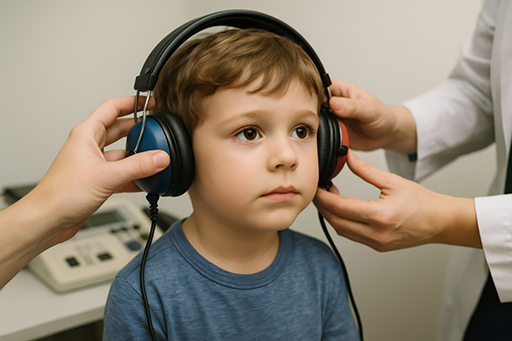
Professional audiometric exams provide crucial data to assess the progression of hearing loss. These tests, including pure tone audiograms, measure the ability to hear different sounds. They differentiate between bone conduction thresholds, indicating the inner ear’s function, and air conduction, revealing the middle and outer ear’s capabilities. Tuning fork tests are used to identify problems that require further investigation. A certified audiologist can perform these tests, identifying the root cause of hearing issues and aiding in developing a better care plan. If symptoms persist, these checks indicate changes in hearing and help identify effective treatments for hearing loss, ensuring overall health and well-being of the ears.
Tools and Technologies for Tracking Hearing Loss
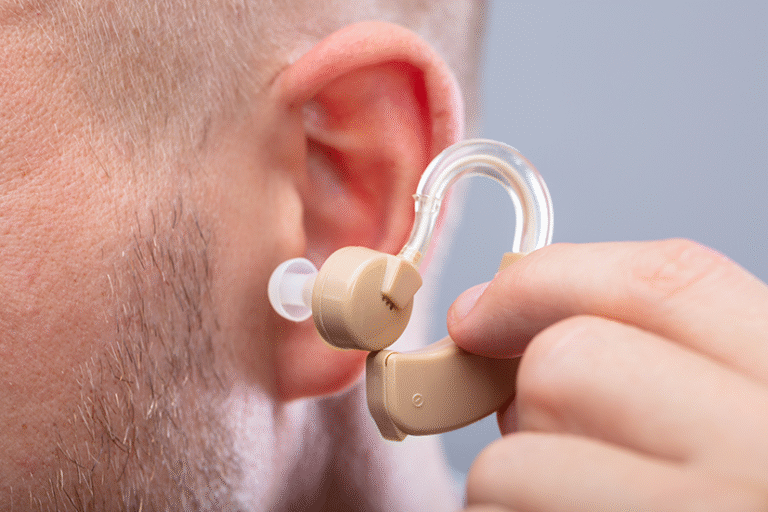
Technological changes keep making hearing care better. Today’s hearing aids and cochlear implants have tools that watch how your hearing changes over time. Hearing apps make it easy for you to check your own hearing at any time. The apps are simple, so all people can use them with no trouble. These new ways help more people get good hearing care.
Now, there are new wearable devices that come with many great features. The best part is that they help people and doctors check hearing much faster. These devices can be used for all kinds of needs. They be a big help for people who have hearing loss. With these tools, people can have a better life and be able to manage their hearing more easily.
Hearing Apps and Online Screening
Hearing apps have a lot of options, and you can use them to keep track of hearing loss wherever you are. The main features include:
- Get diagnostic hearing tests that are made to fit your needs.
- Keep full track of all types of hearing loss you may have.
- This has an easy-to-use design with reminders so you don’t forget your regular checks.
- You can upload your audiogram data for quick and easy comparison.
- Try online screenings that give you instant feedback on your hearing levels.
These tools help you look after your hearing in a simple way. They are good for people who do not want to go see a professional every time. With these apps, you get both convenience and accuracy. You can use them at home to watch for hearing loss.
Wearable Devices and Hearing Aids with Monitoring Features
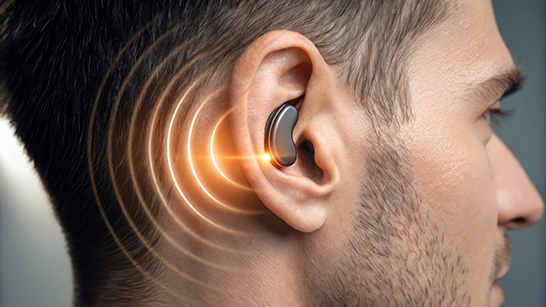
Wearable solutions have revolutionized the way hearing aids are used, making it easier to track progressive hearing loss. Middle ear implants send sound directly to the middle ear, bypassing damage. Cochlear implants use new technology to detect changes in sound, enhancing natural hearing. Bluetooth-based hearing aids store data, allowing auditorologists to provide more personalized assistance. This technology benefits Australians, as hearing aids can fit various stages of hearing loss and improve life for those using them.
When to Seek Professional Help
There are times when you have to get expert help to keep your hearing safe. Audiologists are there for you. They can help you know how much hearing loss you have. They will also tell you if it is sensorineural or conductive hearing loss.
How often you should get your hearing checked depends on how fast your hearing loss is getting worse. If you notice a change early, you can take steps to stop it from getting worse. It is good to work with professionals. This helps you get the best results over time.
Recognising the Need for Expert Assessment
Signs that you may need to see an expert include:
- You keep finding it hard to understand people when they talk to you.
- You suddenly can’t tell which ear is the better hearing ear. You also can’t tell which ear you have a problem with.
- You start to spend less time with people, because your symptoms get worse.
- When you use a tuning fork to check yourself, you do not get a clear answer.
- In routine checks, there are big problems found.
Specialists are the ones who find out why you or other people have certain signs or problems.
Preparing for Your Audiologist Appointment
To prepare for evaluations, schedules should be clear and flexible, as things can change quickly. Audiological tests and checks are crucial for accurate diagnosis and decision-making, helping to identify the most suitable therapies and routines. Technology and skills can also help maintain these connections. In case of unexpected events or timing issues, it’s essential to plan well and ask questions to ensure everyone is on the same page.
Can progressive hearing loss be stopped or slowed?
While you may not be able to completely stop progressive hearing loss, you can slow it down if you act early. Have regular check-ups to check your ears. Try to protect your ears from loud noise as much as possible. This helps keep your hearing safe. Listen to what your healthcare provider tells you about hearing loss. These steps can keep your hearing loss from getting worse.
How often should I get my hearing checked in Australia?
Adults in Australia should have their hearing checked every two years. If you are over 50 or you have trouble hearing, it is good to go every year. These checks help you find any changes in your hearing early. This way, people can get care on time and have better hearing.
Are there warning signs specific to children?
Yes, children can have signs of hearing loss. They may find it hard to follow talks. They might keep saying “what” or ask people to say things again. Some do not reply to sounds. A few children may have problems with how they speak. It is very important to notice hearing loss early. This can help them get the support they need to make their hearing better as they grow.
What are the latest advancements in hearing loss monitoring?
There are now new ways to watch for hearing loss. Some smartphone apps can notice changes in the way you hear. There are also wearable devices that give real-time feedback. AI-powered tools look at your own hearing habits, too. These tools can help find problems early. If you learn about hearing loss soon, you can act right away and take better care of your hearing.
Is hearing loss reversible with treatment?
Sometimes, hearing loss can go away, especially if it is caused by things like the ear having wax buildup or an infection. There are some treatments, such as hearing aids and surgery, that can help bring hearing back for a few people. To get the most out of any treatment, it is very important to visit a healthcare professional right when you notice hearing loss. Getting help early can make all the difference.