Discover the essential facts about Traditional Hearing Aids before making a choice. Learn what works, what doesn’t, and find the best option for you!
What are traditional hearing aids?
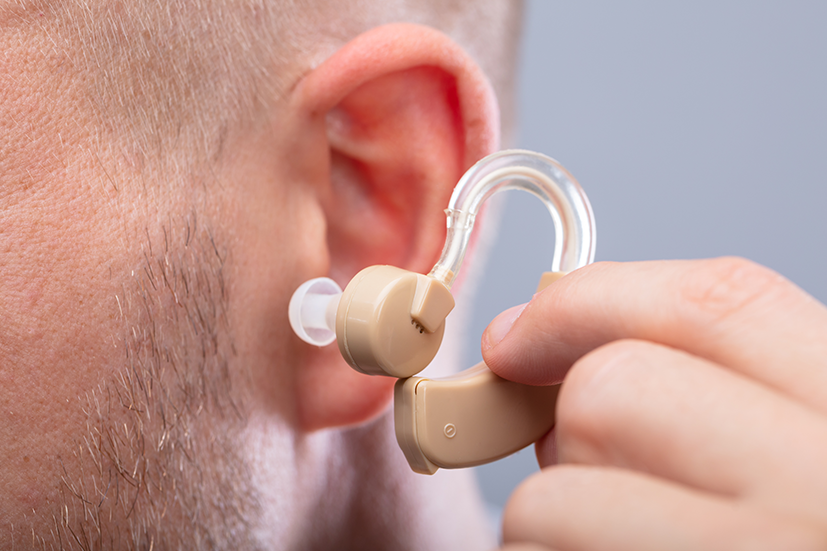
Traditional hearing aids are wearable medical devices that amplify sound for individuals with hearing loss. These devices include in-the-ear (ITE) and behind-the-ear (BTE) types, each suited for different ear anatomies, hearing levels, and lifestyle needs.
| Hearing Aid Type | Description | Best For |
|---|---|---|
| ITE | Fits completely inside the outer ear | Mild to severe hearing loss |
| BTE | Hooks behind the ear with a tube to ear | All types of hearing loss |
What is the difference between analog and digital?
Digital hearing aids process sound through digital signals, while analog hearing aids amplify sound in continuous waves. Most users today choose digital models for better sound precision and adaptive features.
| Feature | Analog Hearing Aids | Digital Hearing Aids |
|---|---|---|
| Sound Processing | Continuous sound wave | Digital signal processor |
| Customization | Limited | Advanced personalization |
| Noise Management | Basic | Automatic noise filtering |
| Popularity (2024) | 10% of market | 90% of market |
What features should I expect?
Modern hearing aid technology offers key functions that improve sound clarity and comfort.
Look for devices that include:
- Amplification control for different environments
- Noise reduction filters for clearer speech
- Feedback suppression to reduce whistling
- Discreet casing for low visibility
- Custom-mold options for personalized fit
Why does maintenance matter?
Regular hearing aid cleaning and maintenance extend device lifespan and ensure consistent performance. Most users clean devices weekly and schedule professional servicing every 6–12 months.
| Task | Frequency | Purpose |
|---|---|---|
| Cleaning earwax ports | Weekly | Prevents sound blockage |
| Replacing wax guards | Monthly | Maintains sound quality |
| Battery replacement | 3–10 days | Ensures power supply |
| Professional check-up | Biannually | Detects internal faults or damage |
Who are traditional hearing aids for?
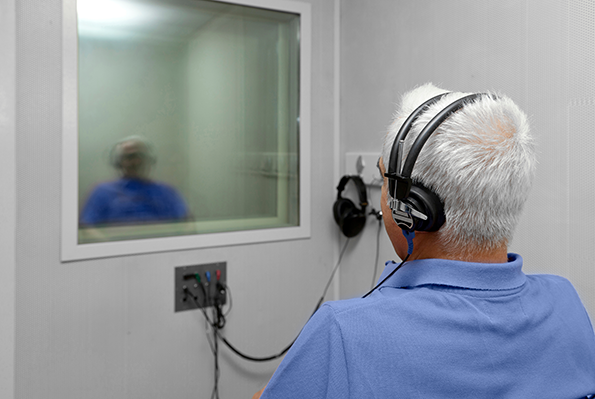
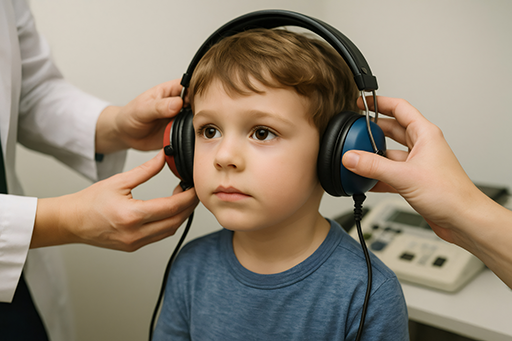
Traditional hearing aids are suitable for both children and seniors with mild to profound hearing loss. A licensed audiologist performs a hearing test and determines the appropriate hearing aid fitting based on the individual’s auditory profile.
- Child hearing aids: Designed for comfort and growth
- Senior hearing aids: Focused on clarity, ease of use, and volume control
What are the financial considerations?
The average cost of traditional hearing aids ranges from $1,000 to $4,000 per device depending on features and brand.
| Financial Factor | Estimated Value |
|---|---|
| Insurance reimbursement | 20%–80% of device cost |
| Medicaid/Medicare support | Limited (varies) |
| Payment plans availability | Common with providers |
| Coverage for repairs | Often included in plans |
How do I choose the right model?
Compare hearing aid styles, models, and features using a detailed buying guide before purchasing.
- Hearing aid models: Entry-level, mid-range, premium
- Styles: ITE, BTE, receiver-in-canal (RIC)
- Features: Bluetooth, directional microphones, rechargeability
What problems can occur?
Common hearing aid problems include feedback noise, discomfort, and inconsistent amplification. Solutions include professional reprogramming, earwax removal, and shell refitting.
| Problem | Cause | Recommended Solution |
|---|---|---|
| Whistling or feedback | Poor fit or earwax buildup | Refit or clean ear canal |
| Low sound output | Clogged microphone or battery | Replace battery or clean filter |
| Physical discomfort | Ill-fitting device | Mold adjustment by audiologist |