Explore Hearing Health Disparities in Adults: uncover who it affects, the reasons behind it, and the effective solutions making a difference now.
Hearing health is a big part of public health, but many people in Australia do not think about it much. A lot of people have hearing loss there. There are large gaps between different groups. Money, where they live, and social problems cause most of these gaps. When people cannot get hearing healthcare, untreated hearing loss gets worse. It can make it hard for people to talk with others. It can also affect how they feel at work and harm their academic performance at school. The good thing is there are new hearing technologies now. Community efforts are also helping. To fix these issues in public health, we must find out what causes them and use real solutions that work.
What are the key hearing health disparities among adults in Australia?
Hearing health is a big problem for many people in Australia. People who live in rural areas, those with low income, or people from ethnic minorities like Indigenous Australians have it even harder. These groups face more health disparities than others. They often find it hard to access health care, like seeing an audiologist. To help address these issues, researchers are increasingly turning to resources such as Google Scholar for access to relevant studies and data, including systematic reviews from the World Health Organization. It can also be tough because hearing aids cost a lot. Some feel there is a cultural stigma if they wear hearing aids. There may also be language barriers. All these things get in the way of them getting the hearing health care they need.
| Group Affected | Key Barriers |
|---|---|
| Rural Populations | Long travel distances, limited audiologist availability |
| Low-Income Individuals | High cost of hearing aids, lack of insurance |
| Ethnic Minorities | Language barriers, cultural stigma, lack of culturally appropriate care |
How does adult hearing loss impact quality of life and public health?
Untreated hearing loss in adults can make life more difficult. It may also lead to higher medical bills. The quality of life for someone with hearing loss can go down in many ways, particularly due to the negative effects of hearing loss. You might feel left out of the group. You can have trouble talking to people. Some people may leave work earlier than they want. You may feel sad or low. Getting help early will make a big difference in how you feel every day.
Impacts include:
- Less ability to talk with others
- Get less done at work and leave jobs earlier
- More chance to have problems with the mind
- More mental health problems
- Higher healthcare costs over time
Who are the most affected demographic groups?
Older adults, people who live in rural areas, and ethnic minorities in Australia have the most hearing health problems. These groups, experiencing low health literacy, have more health disparities than others. They face more issues with their hearing, too.
Examples:
- Older Adults: Many older Americans may not know they have hearing loss. They might also have less money once they stop working.
- Ethnic Minorities: Some people from ethnic minorities feel shame about hearing loss in their group. They may also have trouble with the language or feel like the care is not for them.
- Rural Residents: People in rural areas do not have much access to hearing help. It can also take more time for them to get the help they need.
What causes hearing health inequities?
Hearing health is often affected by many big things in the system and in society. There are some people who do not get good care for hearing health. It can also cost a lot to get hearing devices. In some groups, people feel shy or worried to talk about hearing health because of what others think. All these things together make it hard for many people to take care of their hearing health.
| Cause | Example |
|---|---|
| Limited service availability | Remote regions lacking audiologists |
| Financial inaccessibility | High cost of hearing aids without subsidies |
| Cultural stigma | Negative perceptions within ethnic communities |
| Low health awareness | Misinformation or lack of hearing health education |
How does socioeconomic status affect access to hearing care?
People who do not make a lot of money often find it hard to get the hearing care they need, including the use of hearing aids. They may not have enough to buy hearing aids or to pay for help from a hearing expert. Because of this, many people have to live with untreated hearing loss for a long time. Their health can also get worse when they do not get the right care for their hearing loss.
Notable Figures:
- Hearing aids can cost from AUD 1,500 up to 6,000 for each one.
- People in Australia who live below the poverty line are two times more likely to have hearing loss that is not treated.
Policy steps, like making Medicare bigger and giving money for hearing aids, are key to closing these care gaps.
How do geographic barriers affect rural populations?
Rural Australians often wait longer to find out what is wrong and get treatment. This is because it is hard to get to the services they need. There are not many audiologists in these faraway areas. People often must travel a long way to see one. This makes them spend more time and money to get the help they need.
Solutions:
- Grow tele-audiology services so that more people can use them from anywhere they live
- Give rewards to doctors who work in rural areas
- Offer money to help local hearing clinics with their work
What role do social determinants play in hearing health?
Education, income, and maternal education along with the environment each play a big role in hearing health and language development. If someone has lower educational attainment, including not finishing high school, they may not know much about hearing care. Also, when people are around lots of loud noise and do not know where to get help with hearing health, their problems can get worse.
Key Examples:
- Low education: People who do not have much schooling may not be aware of what these signs mean or how to take care of them.
- Poor living conditions: People who live in bad places can be around loud and harmful noise a lot more often.
How does education and awareness influence outcomes?
People who have higher educational attainment often know more about hearing health. They are also more likely to go and get help if they see a problem, including the treatment of hearing loss. But in places where there is not much higher education, there are big problems. People in these communities may not know much about hearing health. Because of this, they often do not look for help when they need it.
Practical Steps:
- Do school-based screenings to check hearing in kids.
- Hold workshops in the community to teach people about hearing health.
- Make sure hearing health is part of what people learn in public health classes.
How do employment and income gaps affect hearing care?
Hearing loss can make it hard for people to talk to others at work. This can also make it tough to keep their job or get more pay. If they do not have enough money, it can be hard for them to get the right treatment for hearing loss.
Employment Consequences:
- People with hearing loss often do not do as well at work.
- A lot more people with hearing loss do not have jobs.
Financial Barriers:
- There can be very little insurance coverage.
- You might have to pay a lot from your own pocket for the device.
What cultural and linguistic factors contribute to disparities?
Language differences and not knowing much about each other’s cultures can keep many Indigenous and multicultural Australians from getting the care they need. If care does not respect the way people live or understand their culture, they may feel like they do not want help. This can be a big reason why some people do not get the right support.
Examples:
- There are not many audiologists who can talk in more than one language.
- Some people in the community feel bad or feel shame about this problem.
- There are not enough outreach programs that are done in minority languages.
What challenges do Indigenous and multicultural communities face?
Indigenous Australians and ethnic minorities often have a hard time when they try to get hearing care. There are problems in the system, how people speak to each other, and in the way cultures see things. These can all make it tough for people to get the help that they need for their hearing.
Challenges:
- There are not enough people from their group who work in healthcare.
- People feel like they can not trust the medical system.
- A lot of the important information is hard to get because of language differences.
Community-led work and healthcare workers who understand the culture can help. They can make people feel more trust in the system. This helps more people go in and get the care they need.
How do language barriers affect service access?
Language barriers get in the way when patients and doctors try to talk with each other. This can make it hard for people to get the right diagnosis from the doctor. It can also stop them from using the health services that are there for them.
Strategies for Inclusion:
- Hire staff who can talk in more than one language.
- Make learning materials in many languages.
- Give people more kinds of self-fit hearing aid models.
How do gender and age affect hearing care access?
Older adults and men do not go for hearing care as much as others. Women usually get help for their hearing sooner than men or older adults.
| Group | Barrier |
|---|---|
| Older Adults | High device cost, limited mobility, low digital literacy |
| Men | Social stigma, reluctance to acknowledge hearing loss |
Awareness campaigns that the groups make for both men and women, and for different ages, can help get people to go see the doctor more often. When you look at the needs that come from things like age and whether someone is a man or woman, it helps that person feel better about getting care. This can make people go for help sooner and feel like there is support for them.
Why do older adults face higher risks of hearing loss?
Age-related hearing loss, including sensorineural hearing loss, is a very common medical condition in Australia. About 1 in 2 people over 60 have it. A lot of older people and retirees do not get easy or low-cost help for hearing loss. Because of this, some people may get thinking problems. There can also be trouble when people want to join in on social events or talk with others.
Policy Needs:
- Put more money into helping older people get hearing aids
- Give better Medicare coverage
- Start public health campaigns for the seniors
Public health plans like these can make a big difference in the lives of older people. Many of them may not know how to get hearing aids or use Medicare. If we work together and put in these things, seniors will feel better, find life easier, and take part in more daily activities.
How does gender affect help-seeking behavior?
Women tend to get hearing treatment more often than men. Men usually wait longer to get help. This could be because of the stigma around it. It may also be that they do not think their symptoms are bad enough to need treatment.
Addressing the Gap:
- Help make hearing aid use feel normal for both men and women.
- Get more men to use a hearing aid by asking local leaders and influencers to support hearing aid use.
How does stigma shape hearing health behavior?
A lot of people do not like to talk about their hearing loss. Many do not want to use hearing aids because they feel there is a stigma with it. This can make them wait a long time to find out they have a problem or to get help.
Solutions:
- Share stories about hearing aid use that show the good things they can do for people.
- Give real examples of people, young and old, who use a hearing aid and feel good about it.
- Clear up any wrong ideas. A hearing aid does not always look big, and it is not only for older people.
What myths prevent people from using hearing aids?
| Myth | Reality |
|---|---|
| Hearing aids are only for the elderly | People of all ages can benefit |
| They’re too expensive | Subsidies and over-the-counter options exist |
| They make users look old | Modern devices are discreet and stylish |
| Hearing loss ruins social life | Treatment restores communication and participation |
How does hearing loss affect mental health and social life?
Untreated hearing loss and hearing impairment can make people feel alone. This may lead to depression or anxiety. When you have hearing loss, it can be hard to talk with others. This puts stress on your relationships with them.
Recovery Strategies:
- Join peer support groups.
- Use aural rehabilitation services.
- Help make social programs welcoming for everyone.
Improving hearing health equity in Australia will need big changes in the system. There should also be better education for the people and smart ways to use policies and resources. The government and others who make choices must look at the social, money, and location gaps in the country. If they do this, Australia can help make hearing health better for all grown people.
Current Challenges in Australia’s Hearing Healthcare System
Australia’s hearing healthcare system faces numerous barriers in hearing care delivery, making it difficult for people with hearing loss or impairment to receive quality care. Insufficient number of hearing healthcare professionals and high costs of hearing aids make it difficult for those in rural areas to access treatment. Low-income individuals and ethnic minorities are particularly affected. This gap in care quality is a significant issue in the hearing healthcare system and needs to be addressed to ensure all people receive the necessary help. Long wait times for special care can exacerbate health disparities, especially for older adults who may not receive the necessary support. Obtaining help can improve their quality of life and enable them to communicate more effectively, but not everyone has the opportunity to do so.
Availability and Affordability of Hearing Aids
The high cost of hearing aids is a major issue for older adults, particularly those earning below the federal poverty level. This leads to poorer quality of life, especially for low-income groups and ethnic minorities. Additionally, insurance coverage is often insufficient for hearing care services, causing many to pay from their own funds. The distribution of hearing care services is uneven, particularly in rural areas. As health care services access to hearing care becomes a public health priority, community and leaders must develop new plans to ensure equitable access to hearing care services and tools. This will improve the quality of life for all, particularly for older adults and ethnic minorities.
Wait Times and Specialist Shortages
Hearing healthcare is a significant issue, particularly for older adults in urban areas and rural areas who often have to wait long to see an audiologist. This delay can worsen untreated hearing loss, affecting their quality of life. Currently, there is a lack of hearing healthcare professionals, causing many people to miss out on necessary care. Ethnic minorities and those with lower incomes are particularly affected by this lack of access. This highlights the need for new ways to provide hearing care, ensuring everyone receives the same care. Community health workers can help individuals access hearing care services when there are not enough professionals in the area, allowing more people in rural areas to receive the necessary support. This will help improve the quality of life for those affected by hearing loss.
Successful Policy Interventions and Community Initiatives
Policy changes and community work help a lot to lower hearing health disparities. The National Hearing Services Program gives people resources that help many get better hearing care, even people with low income. Additionally, the importance of initiatives like the All of Us Research Program in understanding health disparities is noteworthy. Community-led outreach is good, too. These groups go into the community and talk with people about why hearing health matters. This way, more people know about how to get support and use the help that is out there for them.
These actions do more than just help people get hearing aids. They also help people in under-served areas feel good about getting and using hearing care. These steps lead to more equitable access for all and make things better for everyone. When we work on these solutions, we take real steps to fight health disparities. This helps people from many different backgrounds.
National Hearing Services Program and Medicare
The National Institutes of Health Hearing Services Program plays a big part in hearing health. It offers help to older adults and Medicare beneficiaries with untreated hearing loss. Medicare also helps more people by paying for hearing exams and some hearing aid devices. But, there are some limits to what is covered for hearing aids. Because of this, some people do not get the help they need for their hearing loss. Many of them belong to ethnic minorities or live in rural areas.
It is important to know that these groups face bigger problems. When we see these problems, we can do more to have health equity. We can also work to make hearing healthcare better for everyone, which helps to improve speech outcomes and make the quality of care better, thus supporting more people who have hearing loss.
Community-Led Outreach and Education Efforts
Letting people know about hearing health and making sure they understand the impact of hearing loss is very important. It helps stop gaps in the care that people get. Community-led programs help people learn more about ways to stop hearing loss. These groups show where to get help and highlight the risk factor of delaying support, explaining why it is good to look for help early. These activities give people more knowledge about hearing care, especially for those in ethnic minorities and for people with lower income. They also talk about social determinants of health. These things can have an effect on people and the care they get.
When local groups and health care workers work together, the community makes strong support networks. This teamwork helps everyone find hearing care services when they need them. In this way, all people—no matter where they come from—can join in, feel included, and get better hearing health and hearing care through resources like the Hearing Loss Association of America.
Innovations Improving Hearing Health Equity
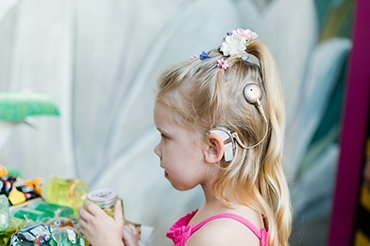
Tele-audiology is revolutionizing the way people access hearing health care, making it easier for those in urban and rural areas to access care without the need to travel far. This improves the quality of care for people with hearing loss and allows them to access the necessary care regardless of their location. Hands-on, low-cost hearing aids and cochlear implants are now available to support people from various backgrounds. By making these tools accessible to everyone, it will lead to better hearing health and improved quality of life for those affected by hearing loss.
Tele-audiology and Remote Hearing Care
Tele-audiology and remote hearing care are beneficial for individuals with hearing loss, particularly older adults who live far from hearing care services. This allows them to communicate with hearing healthcare professionals from their homes, reducing the need for travel or travel. Virtual appointments also enable more people to participate in hearing care, including ethnic minorities and those with limited financial resources. This reduces stress and costs associated with travel or spending for hearing care services. As remote hearing care continues to improve, it contributes to a better quality of life for those who have previously been without hearing care, ultimately improving the quality of life for older adults and those dealing with hearing loss.
Advances in Hearing Technology and Accessibility
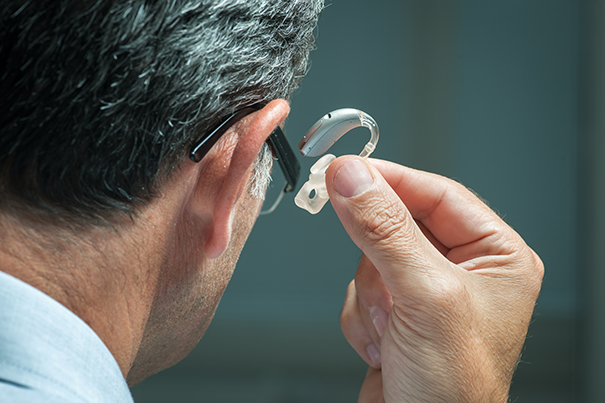
Recent advancements in hearing technology are enhancing the quality of life for people with hearing loss. Smart hearing aids and systems with built-in audio are now accessible and user-friendly, providing better sound quality and clearer speech. Phone apps also enable quick device changes, making daily use easier. These tools make hearing care more accessible and fair, especially for older adults with untreated hearing loss. They promote positive social interaction, making life better and improving the quality of life for those with hearing loss.
What are the main reasons for hearing health disparities in Australian adults?
Hearing health in Australian adults is affected by many things. The amount of money people have is important. It can change the way people get the help they need. How easy it is to reach a doctor also matters. People’s home place and their culture also have an impact. A lot of people do not know much about hearing health. There is not enough money for programs to help with this. Because of all these reasons, health disparities get even worse.
How can someone access affordable hearing care in rural areas?
Getting good hearing care in rural areas can be done if you follow some steps. You can start to look for community health programs in the area where you live. Using tele-audiology services is a smart way to get help with hearing, especially if you do not live close to big towns. You can also ask for better support and rules. This may let more people in your area get the hearing care they need. Some local non-profits may offer help, and you might be able to get hearing aids for less money or get help with other services.
What recent solutions have shown success in reducing hearing health gaps?
Recent steps, such as adding more tele-audiology services and starting hearing programs with help from people in the community, have made it easier for people with mild-to-moderate hearing loss and even those experiencing severe hearing loss to get the care they need. There are also new rules from the Food and Drug Administration (FDA) that let people buy low-cost hearing aids. This has helped close some of the gaps in hearing health. These changes have made a big difference for people who did not get help before. Now, many people have better hearing health because of this.
Why are Indigenous Australians at higher risk for hearing loss?
Indigenous Australians face a higher risk of hearing loss. They do not always get the support they need from the healthcare system. Many of them also have money problems that make things harder. Otitis media happens more in these groups, and this makes hearing health and health disparities even worse for their people. There is a strong need to provide support and care that fits their culture. If we give this kind of targeted help, it can really make a good change in their hearing health.
What can individuals do to advocate for better hearing health services?
People can help make hearing health better in many ways. You can go to local health events and be part of groups that want better health care. You can talk with leaders who help make the rules. It is good to speak out about health problems that some people have. You can also work with your local group to help the community through programs. When we do this, we make a difference and help more people get the hearing health care they need.