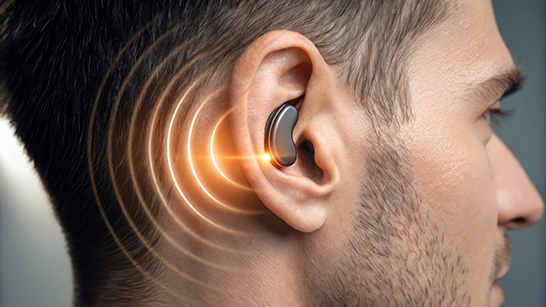
Discover why hearing assessments are vital for adults. Learn how this simple test can safeguard your hearing, health, and happiness on our blog.
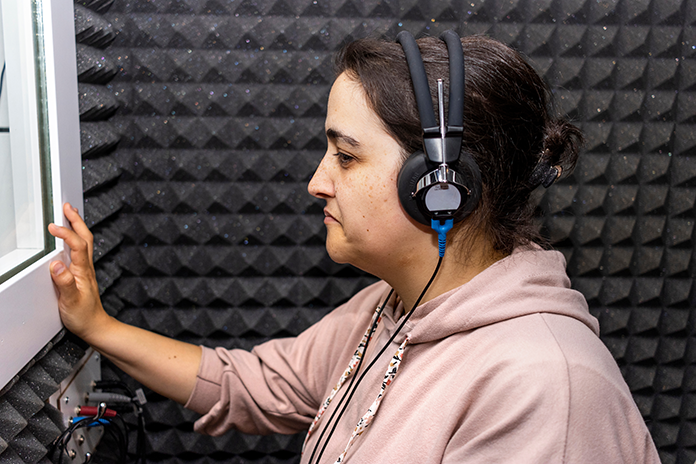
What is a hearing assessment for adults?
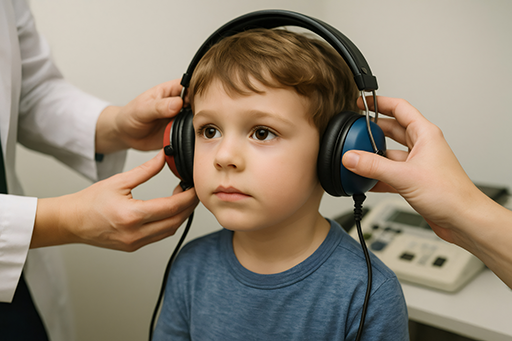
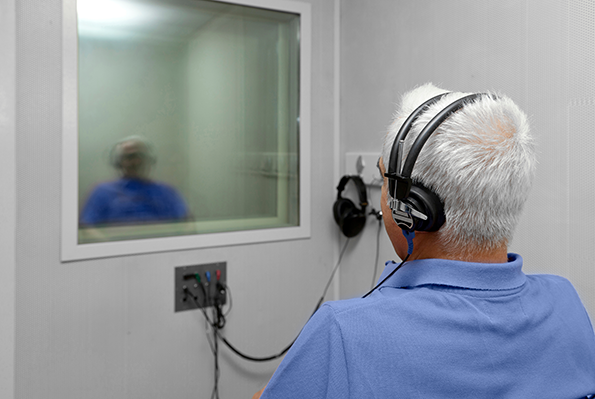
A hearing assessment is a non-invasive test that measures an adult’s ability to detect and interpret sounds. It includes tone detection, speech recognition, and middle ear evaluation. The average exam lasts 30 to 60 minutes and is conducted by a licensed audiologist.
| Component | Purpose | Tool Used |
|---|---|---|
| Pure-tone audiometry | Detects threshold for different tones | Audiometer |
| Tympanometry | Assesses middle ear function | Tympanometer |
| Speech audiometry | Measures clarity of speech understanding | Speech recognition tests |
Why do adults need regular hearing exams?
Hearing decline affects 1 in 3 adults over age 65. Annual exams can detect conditions early, support treatment, and prevent worsening symptoms. Routine hearing exams become essential from age 50 or earlier with risk exposure.
What causes hearing loss in adults?
Three primary causes of adult hearing loss are:
- Sensorineural loss: damage to inner ear or auditory nerve (e.g., aging, noise exposure)
- Conductive loss: blockage or damage in the outer/middle ear (e.g., earwax, infections)
- Mixed loss: combination of both types
Additional contributors include:
- Ototoxic medications (e.g., chemotherapy drugs)
- Chronic illnesses (e.g., diabetes, hypertension)
- Genetic predisposition
What are common signs of hearing decline?
Adults should watch for:
- Repeatedly asking others to speak up
- Difficulty hearing in noisy places
- Turning up TV or phone volume
- Withdrawing from conversations
How does hearing loss affect your health?
Untreated hearing loss contributes to:
- Cognitive decline, especially in memory and attention
- Mental health disorders, such as depression and anxiety
- Communication issues with family or colleagues
- Reduced quality of life and social isolation
Studies from Johns Hopkins show that moderate hearing loss triples the risk of dementia.
When should you visit an audiologist?
Visit an audiologist:
- Once a year if over 50
- Immediately if symptoms arise
- After exposure to loud environments
- Following an ear injury or infection
Audiology services include diagnostics, hearing aid evaluation, and personalised hearing care plans.
What are the benefits of early detection?
Early hearing detection leads to:
- Faster intervention with hearing aids
- Better speech understanding
- Higher long-term hearing wellness
- Lower risk of age-related cognitive decline
How are hearing tests linked to hearing aids?
After a confirmed diagnosis, a hearing aid assessment is performed. This evaluates lifestyle needs, speech environments, and fit. Modern hearing aids improve clarity by up to 85% in mild-to-moderate loss cases.
Why should hearing be part of your health routine?
Incorporating annual hearing assessments into your health screening detects decline before it disrupts life. Comprehensive hearing exams contribute to long-term ear health, stronger relationships, and continued independence.
What should adults do after a hearing assessment?
Schedule a comprehensive hearing exam with a licensed audiologist to review your hearing diagnostics. If results show changes, begin a hearing aid assessment or discuss preventive hearing care strategies. Prioritise annual hearing exams, especially if you’re over 50 or notice signs of hearing loss. Early action supports better hearing health, prevents untreated hearing loss, and protects your quality of life.