Discover essential information on Single-sided deafness, from diagnosis to available devices. Our blog covers everything patients need to know for better hearing.

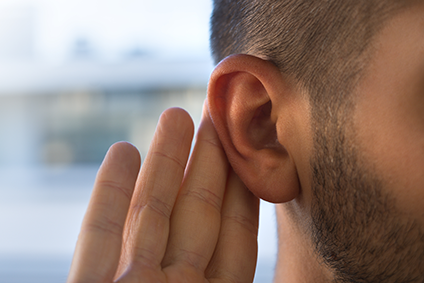
Single-sided deafness (SSD) is a condition where one ear experiences total or significant hearing loss, while the other retains normal function. SSD impairs spatial hearing, sound localization, and communication—especially in noisy environments. It affects children and adults differently, often leading to emotional stress and social fatigue.
What causes single-sided deafness?
Five primary causes of SSD include:
- Acoustic neuroma: A benign tumor pressing on the auditory nerve.
- Viral infections: Such as mumps or measles, which damage the cochlea.
- Ménière’s disease: A chronic inner ear condition that affects fluid balance.
- Head trauma: Accidents or injuries leading to structural ear damage.
- Sudden sensorineural hearing loss: Unexplained rapid loss in one ear.
What are the symptoms of SSD?
Single-sided deafness (SSD) presents a distinct set of symptoms that affect daily communication, spatial awareness, and mental well-being. Recognising these early signs is critical for timely diagnosis and effective treatment.
- Sound localization problems: Difficulty telling where sound comes from.
- Tinnitus in one ear: A constant ringing or buzzing sound.
- Hearing imbalance: Feeling disoriented due to asymmetrical input.
- Listening fatigue: Increased effort required to focus in conversations.
- Social withdrawal: Struggles with group settings or background noise.
These symptoms may appear suddenly or develop over time.
How is SSD diagnosed?
SSD is diagnosed through a combination of hearing evaluations and medical imaging. The table below outlines the key diagnostic steps:
| Test | Purpose |
|---|---|
| Hearing test (audiometry) | Measures hearing thresholds in each ear. |
| Audiogram | Visual chart to identify type and severity of hearing loss. |
| Tympanometry | Assesses middle ear function and detects conductive issues. |
| Otoacoustic emissions (OAE) | Evaluates inner ear (cochlear) function. |
| MRI or CT scan | Detects structural causes like tumors or nerve damage. |
What devices are used for SSD?
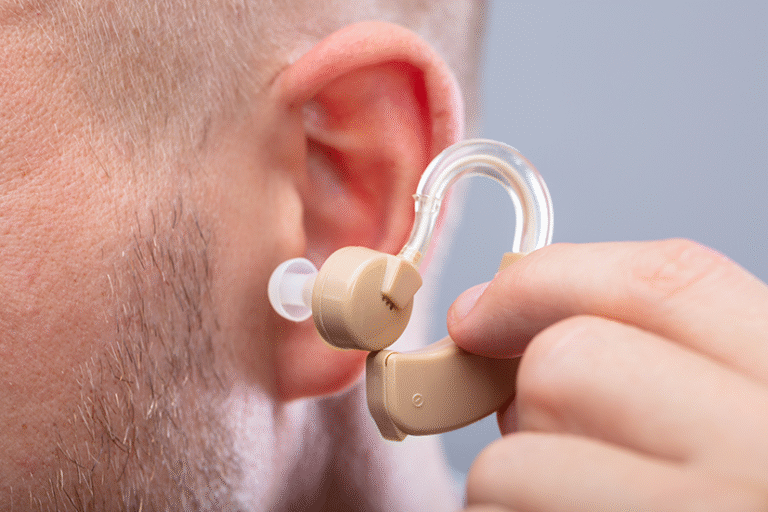
SSD hearing device options are designed to work around the impaired ear:
| Device Type | Function |
|---|---|
| CROS hearing aid | Transfers sound from deaf side to normal-hearing ear |
| Bone-anchored hearing aid (BAHA) | Uses bone conduction to bypass the non-functioning ear |
| Cochlear implant for SSD | Electrically stimulates the auditory nerve for patients with total loss |
A qualified SSD audiologist evaluates hearing test results and recommends the most suitable device.
What are the surgical and therapy options?
Surgery may be required in cases involving tumors or chronic infections. Post-surgical rehabilitation includes:
- Auditory training: Exercises to strengthen brain-ear coordination.
- Speech therapy: Helps improve clarity and perception.
- Sound awareness therapy: Adapts patients to new auditory input.
These therapies support adjustment and long-term success with devices.
What are the latest SSD technologies?
Emerging SSD technologies offer enhanced clarity and usability:
- Wireless BAHA devices with Bluetooth integration
- Advanced CROS aids featuring directional microphones
- Cochlear implant trials testing new stimulation strategies
- Regenerative research targeting nerve repair
SSD clinical trials and technology updates can significantly improve quality of life.
Where can patients find SSD support?
Patients can find SSD support through audiologists, mental health professionals, educational coordinators, and peer communities. Specialised clinics offer treatment plans and devices, while support groups and advocacy organisations provide emotional guidance and practical advice.