Wondering, “Is a hearing test required before getting hearing aids?” Discover the evaluation process that helps you choose the right hearing aids on our blog.
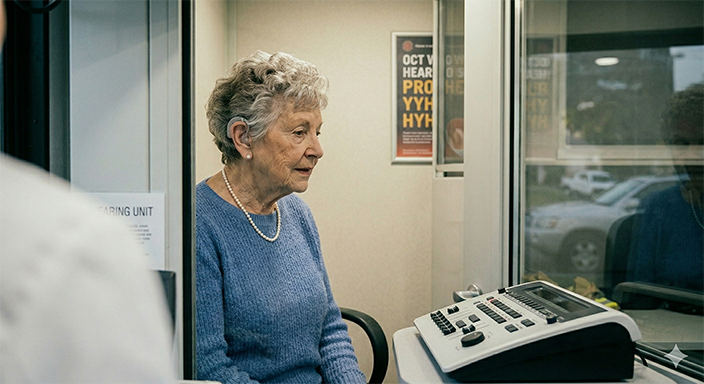
When you have hearing loss, it is not only about trouble hearing. It can make it hard to talk with people or be part of social things. You may not enjoy life the way you want. A hearing test is the first important step. This helps you and the people around you know what you need for your hearing health. With these test results, you can pick a hearing aid that fits your needs. It does not matter if you have mild or severe hearing loss, an audiologist will help you. The audiologist uses your test results to give advice that is best for you. Are you ready to see what a hearing test can do for your ears and your life?
Understanding Hearing Loss and Its Impact
Hearing loss is when you do not hear as well as you did before. It can be in one ear or both ears. Sometimes, you may only have a little trouble hearing people talk. Other times, it can be much worse and make it hard to do normal things. To find out how bad the hearing loss is and what the cause is, you should get checked early.
Hearing loss does not just change your body. It can change the way you feel and think as well. If you have trouble hearing and do not get help, you may stop spending time with friends. You might also feel showing up in conversations gets hard. It can make it tough to think the way you used to. If you act early and get help for any degree of hearing loss, your life can become much better. Your health can also improve.
Types and Causes of Hearing Loss
Hearing loss is mostly put into three types. These are sensorineural, conductive, and mixed hearing loss. Each type comes from different things and affects people in its own way. Sensorineural hearing loss is caused by problems in the cochlea or the auditory nerve. People often get this kind as they get older. Conductive hearing loss comes from things blocking the ear canal or when something is not working in the middle ear.
Many people get hearing loss for different reasons. Some of the main causes are loud noise, aging, infections, and injury. Severe hearing loss can happen when the hearing system gets damaged or if people spend years around loud sounds. Mixed hearing loss is when someone has both sensorineural and conductive hearing problems.
It is important to find out the type of hearing loss a person has. Sensorineural hearing loss may need a special hearing aid to help with the problem. Some people with conductive hearing loss may need a hearing aid, medical treatment, or sometimes surgery. When audiologists know the exact reason for the hearing loss, they can suggest the right solution for each person. This helps people get the best hearing aid for their needs and can make their lives better.
Signs You Might Need a Hearing Test
Is it getting hard for you to hear things? There are some signs that might say you should get a hearing test.
- It can be hard to follow what people say when there is a lot of noise around, or when you are on the phone.
- You may hear ringing or buzzing sounds in the ear. This is called tinnitus.
- You might ask people to say things again, even when it is quiet.
- You feel out of things and find it tough to keep up with other people when they talk.
Changes in your hearing can happen slowly, but they can have a big impact on your life. If you do not pay attention to these signs, you may feel lonely. You may also have other problems with your mind. A hearing evaluation is the best way to know if you have any issues and to get help.
If you have trouble hearing a lot, it is important to get help right away. Finding out about the problem early makes it easier to handle and keeps other problems from showing up. It is never too early to start taking care of your hearing health.
The Importance of a Hearing Test Before Getting Hearing Aids
Getting hearing aids without a hearing test from a professional can be risky. A hearing test can show the kind and the degree of hearing loss you have. It helps you to choose the right hearing aid for your needs. If you do not take this test, the hearing aids you get may not help your hearing loss or improve your communication needs.
When you meet with an audiologist, you get advice that is just for you, based on your hearing test results. The audiologist will look at your hearing loss, and help with hearing aid fitting that fits your life. Do you want to know more about how these hearing test results are used to choose a hearing aid device?
How Hearing Tests Inform Hearing Aid Selection
A hearing test is not just a fast check. When you get your test results, the audiologist will make an audiogram for you. The audiogram is like a map of your hearing. It will show the sound levels and the types of tones that you may have trouble hearing.
It is very important to know the type of hearing loss you have when you are picking out a hearing aid. For example, if your type of hearing loss is called sensorineural hearing loss, you may need a digital hearing aid. This type of hearing aid can boost certain sounds in detail, so you get better use from it.
The way you live your life can matter when you pick a hearing aid. This helps you choose if you want a rechargeable hearing aid or one with Bluetooth. The full hearing test review will make sure you get the hearing aid that is good for your communication needs.
Risks of Skipping the Hearing Evaluation
If you do not get a professional hearing evaluation, it can make your hearing health care worse. You need to know what type and degree of hearing loss you have. If you do not know this, it is easy to get a hearing aid that does not fit you well. This can be bad for you and your hearing.
The wrong device can make hearing problems worse. It may not help you hear things clearly. This can make it hard to talk with other people. A full hearing test is important. Some health problems in the middle ear, such as infections, can be missed if you do not get a complete checkup.
A hearing test is the first step in finding help for hearing loss. It gives your doctor good and clear facts. With this, you can both talk about what hearing aid options are best for you. A hearing test can help you and your doctor understand your hearing loss better. This way, you both know the best way to move forward and pick the right hearing aid.
What Happens During a Hearing Test?
A hearing test has a few steps to check how good your hearing is. An audiologist will play a series of tones. They want to find out the softest sound that you can hear.
The hearing test checks how well you can understand words. In this test, the audiologist will say a few phrases. You need to repeat them. This helps the audiologist know how well you can hear and say words. The hearing test is easy, and it does not hurt. Most of the time, the test takes about 30 to 45 minutes. The audiologist knows what to do. They will look at your results and give you the best advice and hearing options.
Key Steps in a Standard Hearing Assessment
Hearing assessments help people find out how well they can hear. There are a few main steps when you go for one. Here is a simple guide:
| Step | Details |
|---|---|
| Sound Threshold Test | This test uses headphones or earphones. They play sounds at different loudness levels. Patients say when they hear the tones. |
| Middle Ear Examination | This step uses a tympanogram. It shows how the eardrum moves and checks the middle ear. |
| Word Recognition Test | Patients repeat words or phrases. This shows how well they understand speech and process sounds. |
These steps are used to make an audiogram. This chart shows how well you hear sounds of different kinds. The audiologist looks at the results and listens to what you need in your day-to-day life. Then, they can help you choose hearing aids that work best for you.
What to Expect at Your Audiology Appointment in Australia
When you visit an audiologist in Australia, you will get a consultation that suits you. You do not need a referral to book this. A hearing test may be covered by Medicare or your insurance.
At your appointment, the audiologist will ask you about your hearing history. After that, you will do a few tests. There will be sound threshold tests, word recognition tests, and tympanograms. These tests help to check different parts of the way you hear. When you finish the tests, the audiologist will go over the results with you. The audiologist will also talk to you about hearing aid options and help you find what hearing aid works best for your needs.
If you need more help, the audiologist can give you a referral to an ENT for medical clearance. This helps you get the right care.
Customising Hearing Aids Based on Test Results
Hearing aid fitting is all about your test results. Audiologists look at how well you can hear. They also check where you have trouble hearing sounds. By using all this, they choose prescription hearing aids that fit what you need.
Today’s hearing aids let you change the settings. This helps the audiologist adjust how the hearing aid works for you. You will get better sound in the places where you spend most of your time. Custom settings are made to fit your lifestyle. They help you hear well whether the noise is soft or loud. This makes it much easier to talk with people each day.
How Audiologists Match Devices to Individual Needs
Audiologists work with you to make sure your new hearing aids fit your needs. They look at your audiogram to see what type of hearing loss you have and how much it affects your life. This helps them choose the best new hearing aids for you.
They look at your communication needs, for example, if you have to use hearing aids when talking in quiet or noisy places. Some new hearing aids have things like Bluetooth. Some also use rechargeable batteries. These extras make it easier to use them every day.
Because audiologists have a lot of experience, they know how to help you find hearing aids that feel good and work for your type of hearing loss. They make sure the new hearing aids fit well and do what you need them to do. When your device is just right for you, it helps you feel more sure about using it every day. This can make life better for people with hearing loss.
The Role of Lifestyle and Hearing Environments
The way you live each day really matters in hearing aid selection. What you do, for example, if you are around loud sounds a lot, can help choose which hearing aid is good for you.
Audiologists look at the places where you go most of the time. If you are often in quiet spots, you may not need the newest features. If you spend a lot of time in loud or busy places, you could get help from aids that have noise-reduction.
New hearing aids can be made to work well with many sounds. The hearing aid can help you when you are in a meeting at work. It can also make things easier when you watch TV and relax at home. This helps the hearing aid fit into your daily life. You will get the support you need for all the things you do.
Bone Conduction Assessment: Why It’s Important for Choosing the Right Hearing Aid
Bone conduction testing is helpful for good hearing aid selection. It checks how sound moves through the middle ear and the cochlea. This test helps people find out the type of hearing loss they have. With this, people can know which hearing aid can work best for them. A right test like this will let people get the best help for their hearing loss.
If someone has severe hearing loss or a medical problem, using bone conduction can help audiologists find the best hearing aid for them. These tests also help set up the device the right way. This makes sure the hearing aid gives the right amplification for each person’s needs.
Can bone conduction testing improve hearing aid accuracy?
Bone conduction tests can show you more than normal hearing tests. They check if sound moves through the bones in the skull to the cochlea. This can help people know more about their hearing.
Test results from these tests give audiologists what they need to make the hearing aid work better. With good programming, the device can change how it moves to help people who have hearing loss. This can help, even if the case is complex.
People can get the best results when their hearing aids fit right. This is why bone conduction testing matters. It helps give hearing solutions that match what each person needs. This way, they get the most out of their hearing aids.
How does bone conduction affect hearing aid selection?
Bone conduction testing checks how good the middle ear and cochlea work. This test is important if you need a hearing aid. Some of these tests show the way sound can go around any blocks in the ear canal.
If you have severe hearing loss, bone conduction test results help show which device can bring out the right sounds for you. Medical checks and these tests work together. This helps audiologists find what will fit each person’s needs best.
With a focus on bone conduction, people can get devices that give clear and quick help with hearing. This helps you find a hearing aid that fits your hearing loss and works well with your ear canal. You get better choices made for your needs.
Can bone conduction detect mixed hearing loss?
Mixed hearing loss is when a person has both conductive and sensorineural hearing problems. To figure out the cause, bone conduction tests are very important. These tests help the audiologists find out which parts of the ear need care or support. Hearing loss can affect one or both parts, so these tests give useful answers.
Test results help find out if the cochlea or the middle ear need more care or if you need special hearing aids. Going to an ENT for more checks is good because they can look at the whole problem and see what else might be needed.
Prescription hearing aids made for mixed hearing loss can help people hear better. These hearing aids bring back clear hearing and help balance the sound you hear. This can make it easy for people to enjoy sounds again.
Can I buy hearing aids without a test in Australia?
In Australia, you do not need a hearing test to buy OTC hearing aids. These are made for people who have mild to moderate hearing loss. You can get OTC hearing aids from many stores.
But, to have prescription hearing aids, you need to get medical clearance and take a hearing test. Insurance companies might pay the full price for prescription hearing aids after you go for a consultation with an audiologist.
If you decide to speak with an audiologist, they will help you choose the hearing aids that work best for your needs. This can lower your risks and give you more benefits. Seeing the right experts is the best way to look after your hearing health.
Are online or at-home hearing tests accurate?
Online and at-home hearing tests can help you see if you might have hearing loss. But these tests are not as accurate as what you get from a hearing healthcare professional or an audiologist. If you want to know the real type of hearing loss you have, it is better to go see an expert. They will give you clear answers and guide you to the best help for your hearing.
How often should I have my hearing checked?
People who have trouble hearing or when an audiologist says so should get a hearing test every year. Adults who do not have clear trouble hearing should still go for a checkup every few years after they turn 50. This can help spot hearing loss early and get the right help.
Can I get hearing aids without a prescription?
Yes, you can get OTC hearing aids that have FDA approval without a prescription. But, if you have more severe hearing loss, you need medical clearance and must get prescription hearing aids. This is an important step because it helps make sure you have the right diagnosis and the best device for your needs. Talk to an audiologist to get advice and find out what you should do next about your hearing loss.