Discover the key differences in BAHA vs Regular Hearing Aid? Learn why some people hear better through their skull than their ears on our blog.
Today, new technology is changing the way people with hearing loss live and ways they connect with others. A traditional hearing aid often faces some limits when it comes to helping several types of hearing loss. On the other hand, bone-anchored hearing aids, also called BAHA, are a new kind of device that might work better for some who do not get help from regular hearing aids. It is important to know how these devices work and what makes each one different, so you can pick the best one. Making the right choice can help make life better for all people with hearing loss.
Understanding Hearing Loss and Solutions
Hearing loss can show up in different ways. The main types are conductive hearing loss and sensorineural hearing loss. Conductive hearing loss comes from problems with the middle ear or ear canal. One reason for this is fluid from otitis media or ear infections. On the other hand, sensorineural hearing loss happens when there is damage in the inner ear. This can make it harder to hear the way you should.
The things people use for hearing loss depend on what kind it is. Traditional hearing aids make sounds louder so you can hear them better. There are also bone-anchored hearing aids for certain problems. These choices help people get back more of their hearing.
Types of Hearing Loss: Conductive vs Sensorineural
Conductive hearing loss happens when sound cannot move well through the outer ear, middle ear, or both. This often is because of ear infections, fluid in the ear, or a blockage in the ear canal. Sensorineural hearing loss is different. It starts from damage in the inner ear or the parts of your hearing system that help with sound. These types of hearing loss can affect your quality of life in many ways. That is why people need solutions made just for them. When you understand how conductive hearing loss and sensorineural hearing loss are not the same, doctors can help you get the hearing aid that is best for you.
How Hearing Aids and BAHAs Address Different Needs
Hearing aids and BAHA devices help with different types of hearing loss. Traditional hearing aids make sounds louder for people who have sensorineural loss. They work mostly by sending sound through the ear canal. On the other hand, BAHA systems use bone conduction. They send sound directly to the inner ear by skipping the middle ear and outer ear. This method is very helpful for people who have conductive hearing loss or get chronic ear infections. It gives a way to hear better when regular hearing aids do not work. Both devices, through their different ways, help improve the quality of life for people with different hearing needs.
How Traditional Hearing Aids Work
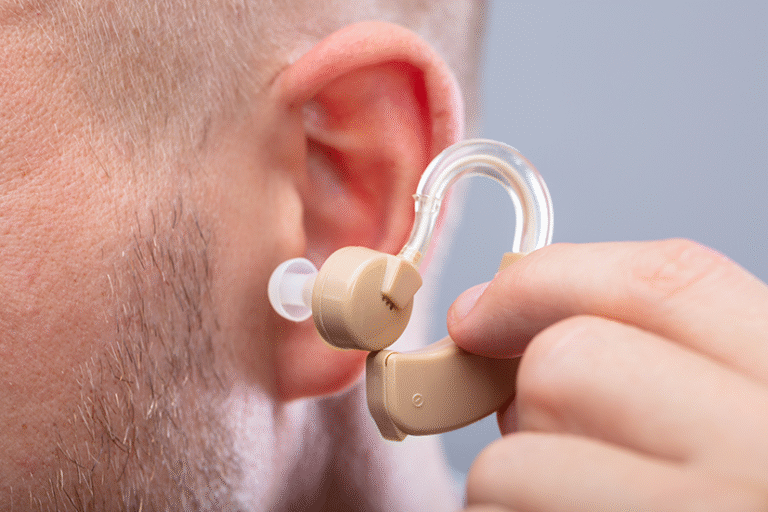
Traditional hearing aids help people with hearing loss by making sounds louder. A microphone on the device picks up sounds from around you. It then changes these sounds into electrical signals. The hearing aid processes and boosts these signals so the sound can get to the middle and inner ear in a clear way.
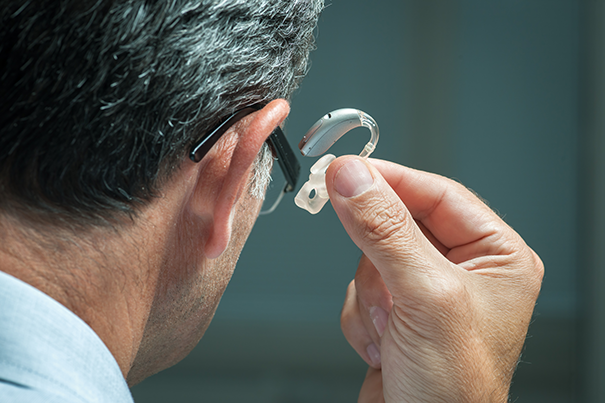
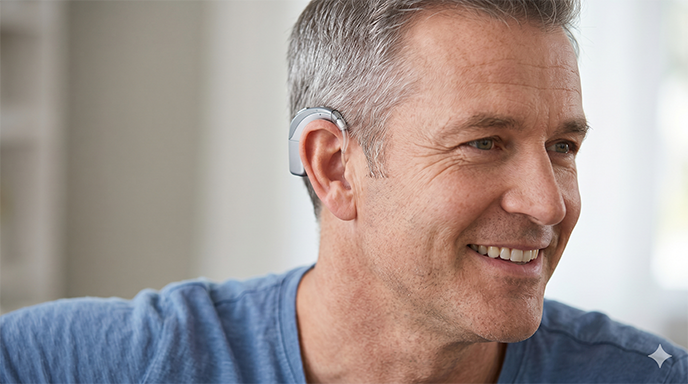
These small electronic devices are made for people who have conductive or sensorineural hearing loss. You can wear them in the ear canal or behind the ear. But traditional hearing aids may not work for all types of hearing loss, especially when the inner ear has very serious damage.
Technology Behind Conventional Hearing Aids
Modern conventional hearing aids use advanced technology to help people hear better. These small electronic devices pick up sound with a microphone. That microphone turns the sound waves into electrical signals. The hearing aid then makes these signals stronger and sends them into the ear canal.
Inside the hearing aid, the parts work together to cut down background noise and help focus on speech. This gives you a clearer sound. The hearing aid is set up for different types of hearing loss. This helps make sure the person gets good sound quality and can hear well.
Suitability and Limitations of Regular Hearing Aids
Regular hearing aids are good for many types of hearing loss. They are most helpful for people who have sensorineural hearing loss or mild to moderate conductive hearing loss. These small electronic devices make sounds louder, so people can hear better and talk to others more easily. This can make life better for many people.
But, there are some problems. People who have profound hearing loss or long-lasting ear infections may not get as much help from regular hearing aids. Often, hearing aids need to be readjusted or fixed, which can be hard for some people. How well they work also depends a lot on the ear canal and on the type of hearing loss the person has. For some, this means hearing aids may not always do what they need.
What is a Bone-Anchored Hearing Aid (BAHA)?
A bone-anchored hearing aid goes right into the skull with surgery. This hearing aid sends sound straight through bone conduction. It does not use the same way as traditional hearing aids.
A BAHA does not need to use the damaged parts of the ear. That is why it works well for people who have some types of hearing loss. If you have one of these types of hearing loss, this hearing aid could be good for you.
Mechanism: Hearing Through Bone Conduction
Sounds move through the bones of the skull by using bone conduction. This happens when vibrations go right through these bones. It can be a good choice for people to use who have some types of hearing loss. A titanium implant is placed in the skull for this. An external sound processor picks up sounds and changes them into vibrations. These vibrations then travel to the inner ear. The process skips the middle ear. This lets people with conductive hearing loss or those who can’t use traditional hearing aids hear in a different way. Bone conduction can help those with several types of hearing loss.
Ideal Candidates for BAHA Devices
People with conductive hearing loss, especially those who have problems in the ear canal, often get great help from BAHA devices. Many candidates are people with chronic ear infections or otitis media who might need surgical options. It also helps if they can’t use traditional hearing aids because of pain. Others include those who have unilateral hearing loss. If one ear does not work as it should, these devices make a big difference. This new way helps sound go around damaged inner ear parts. It boosts overall sound quality, helping people enjoy and feel more from what they hear.
Comparing BAHA and Regular Hearing Aids
BAHA (Bone Anchored Hearing Aids) and traditional hearing aids help with hearing loss in different ways. The way you experience hearing loss and how bad it is can affect which device works best for you. Knowing the main differences between these hearing aids helps people and doctors choose the right one for their needs.
| Aspect | Regular Hearing Aids | BAHA Devices |
|---|---|---|
| How They Work | Amplify sound through the ear canal and middle ear. | Use bone conduction to send sound vibrations directly to the inner ear. |
| Best For | Mild to moderate sensorineural hearing loss. | Conductive hearing loss, unilateral hearing loss, chronic ear infections. |
| Sound Quality | Relies on ear canal and middle ear health; may distort in damaged ears. | Clearer sound for conductive issues; bypasses damaged parts of the ear. |
| Comfort & User Experience | Non-surgical, easily adjustable; may cause discomfort in chronic infections. | Comfortable for unilateral loss; requires surgical implantation. |
| Limitations | Less effective for conductive loss or severe damage to ear structures. | Not suitable for all hearing types; surgical risks involved. |
Key Takeaways
- BAHA is best for conductive hearing loss and unilateral hearing loss. It helps a lot when the ear canal or middle ear is hurt or not working.
- Regular hearing aids are still what people turn to first for most mild to moderate sensorineural hearing loss.
- The right option will depend on your hearing loss type, your ear health, and how you live your life. A professional assessment can help you decide what to do.
Is BAHA surgery riskier than using regular hearing aids?
BAHA surgery has some risks, like the risk of infection and the chance that the implant might not work. These risks are not the same as those of regular hearing aids, which do not need surgery. Both options have their good and bad sides. The best choice and how safe and helpful it will be for someone will depend on their own situation.
How do costs and insurance coverage compare between BAHA and traditional hearing aids in Australia?
Costs for BAHA devices are usually higher than traditional hearing aids, and this is because of the special technology used in them. Insurance may help with BAHA, but plans can be very different. Some will pay for it, others will not. You should read your policy carefully to know if there is any way to get money back or help with costs.
What’s the typical maintenance and lifespan for each type of device?
Regular hearing aids need new batteries often. You may have to change the battery every few days or sometimes after a few weeks. These hearing aids usually last between 3 and 7 years. Bone-anchored hearing aids (BAHA) do not need much day-to-day care. You must go for regular check-ups for them. A BAHA device can work for about 5 to 10 years, but it depends on how you use it and take care of it.