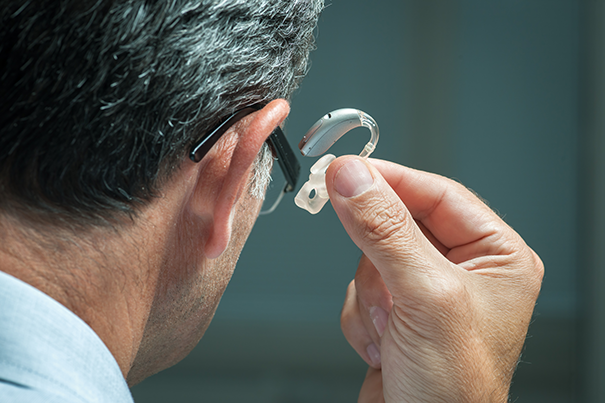
Discover why is hearing loss in children often missed in schools? Learn about the overlooked signs that can derail learning in our latest blog post.

Hearing loss in children can sometimes be mistaken for a learning disability. This means the impact may not be noticed until there is a change in their academic performance. When a child has an inability to process auditory information, they may have a hard time with classroom work, understanding speech, and getting along with other kids. If hearing problems are not treated, it can hurt their school learning, friendships, and even how they feel inside. Spotting and helping childhood hearing loss early is very important. This can help stop those problems from lasting a long time. Now, let’s look at the causes, signs, and ways to help with this issue that is often missed.
Understanding Hearing Loss in Children
Hearing loss in school-aged children is not always easy to spot. Still, it can shape the way young people take in information and talk with others. Childhood hearing loss comes in many forms. It can cause mild trouble with school work or lead to a child feeling very alone. To help children in class, it is important to know how hearing impairment affects them.
If parents and teachers know about the kinds and causes of hearing loss, they can plan better ways to help young people. This can improve both learning and friendships for children with impairment.
Types and Degrees of Hearing Loss
The degrees of hearing loss can be from very mild hearing loss to a deep level of deafness. Even a small impairment can make it hard for a child to hear things that schools use every day for learning. Normal hearing means you can pick up sounds at 0-25 decibels. But children with minimal hearing loss might not hear some important sounds, like the /s/ or /th/ sounds, and this can affect the way they develop language.
Conductive hearing loss happens because of an issue in the middle or outside part of the ear. It may just be for a short time, unless it is caused by repeating otitis media. Sensorineural hearing loss does not go away and it affects the inside of your ear or your hearing nerve.
Unilateral hearing loss is when someone has hearing loss in one ear only. This often leads to problems knowing which way a sound is coming from. It can also make it tough to follow along in group talks. It is very important to understand the types of hearing loss because even little changes can make a child miss out on what is being said or lower their school performance.
Causes of Hearing Loss in School-Aged Children
Childhood hearing loss often comes from things like otitis media. This is a common ear infection that can cause conductive hearing loss. If you do not treat it soon, it can lower hearing for some time. This makes it hard for children to join in at school.
Another kind is sensorineural hearing loss. This usually runs in the family. It happens when the auditory nerve gets damaged. Being around loud noises can also cause this in some young people.
Sometimes, a child may be born with certain health problems. Issues before birth can also lead to deafness. Each cause brings its own problems. Still, all of them make it harder for a child to take in auditory information. That is why it is important to spot hearing loss early. Teachers and parents must be aware of the reasons for hearing loss. This helps them give the right support to schoolchildren.
Prevalence of Hearing Loss in Australian Schools
Hearing loss is quite common, and it affects thousands of schoolchildren in Australia every year. Many kids have hearing problems that are not noticed right away. This is because the signs can be mild, but the issues can still cause an educational risk.
When you look at the sample size from national surveys, you see that kids in rural areas and from families who do not have a lot of money have more hearing problems. Knowing which groups are hit the hardest helps schools find and help students who have hearing loss or hearing impairment. Now, let’s look at the important numbers and see which groups of schoolchildren are most affected. This helps us better understand hearing impairment and who is at educational risk.
National and State Statistics
Hearing loss is a growing issue in many parts of the world. The table below shows how this problem looks in different places:
| Country/Region | Prevalence (%) | Sample Size |
|---|---|---|
| Australia | 12% | 10,000+ |
| UK | 14% | 8,500 |
| United States | 15% | 15,000+ |
While the percentage is a bit different in each country, hearing loss is a problem for all. In Australia, the rates go up in some parts of the state. Rural schools have more students with hearing loss because they do not get as much healthcare. Dealing with these issues means we need better screening rules and good use of resources everywhere. This will help us find and help people who need it before it gets worse.
Demographics Most Affected
Some groups of people face more problems with hearing loss. Schoolchildren who come from places where there is not a lot of money often have more trouble. This is because they do not get treatment for otitis media, and do not have much chance to see audiologists.
Younger students, especially kids under the age of seven, are most likely to have mild hearing loss that is not easy to find. This can put them at risk in school. Also, if children have a family member with a hearing impairment, they may start to have slow speech or not pay attention in class early on.
By focusing on these groups, we can make sure that every child gets a fair chance to learn and is not held back because of undetected hearing loss or mild hearing loss. It is very important to see how much hearing complications affect these people.
Why Hearing Loss Frequently Goes Undetected
The quiet signs of hearing problems often make it hard to spot them in school kids. Symptoms like not paying attention or not always answering may look like behavioural issues instead. Because of this, the hearing impairment might not get noticed.
It is hard to find out if a child has hearing impairment because there are many myths about childhood hearing loss. This leads to more wait before getting any help. It is important for teachers and parents to see the difference between problems at school caused by hearing loss and those caused by not being able to focus. Knowing about these barriers is the first step to making people more aware and helping spot hearing problems earlier.
Subtle Symptoms That Teachers and Parents Miss
Symptoms of hearing loss can be hard to see, especially in a school setting. Here are the main signs that people often overlook:
- Lack of focus in conversations or when following instructions
- Behavioral issues that happen because of frustration with not being able to talk and understand others
- Not taking part as much in group talks or classroom activities
- Struggles with speech perception and slow language development
People often misunderstand these signs. They may think it is just inattentiveness or a mood problem. That is why educators and parents need to look out for this. They should check if hearing impairment or some kind of impairment is the reason.
Myths and Misconceptions About Childhood Hearing Loss
Many wrong ideas about hearing impairment stop people from finding out about hearing loss early. Unlike what many people think, even mild hearing loss can make it hard for a child to learn and talk with others. Some believe that only people with normal hearing can join in all school activities, but this is not true.
A lot of people also think kids who wear hearing aids or cochlear implants do not need any extra help and work just like their friends. This idea about hearing impairment is wrong and makes things harder for these kids.
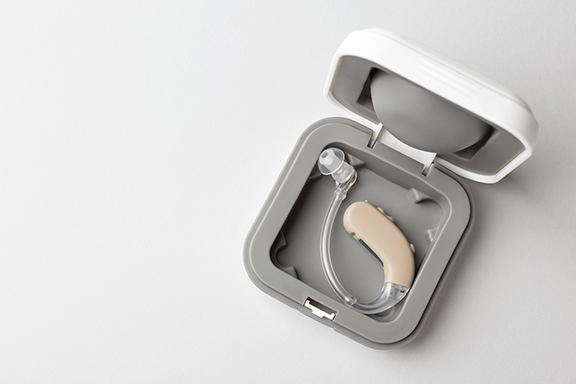
It is very important to teach people how hearing aids and cochlear implants can help. But, these tools do not fix all hearing problems. Talking about these hearing loss myths will help more people notice hearing problems early and take steps to get help.
The Overlooked Sign: Inattentiveness in the Classroom
Inattentiveness in the classroom can often show that a child has hearing loss, but many people see it as just behavioral issues. When there is a lack of focus, it may be because the child has trouble with speech recognition and understanding auditory information. If there is a lot of background noise, it gets hard for them to hear, and the child may not be able to keep up with new concepts the teacher is sharing. This can cause language delays and lead to academic challenges. It is important to notice this sign because it affects the child’s educational risk and their overall school performance.
How Hearing Loss Mimics Behavioral Issues
Trouble in processing auditory information can lead to problems in the classroom. Often, hearing loss is seen as behavioral issues, but that is not always true. Kids who have hearing impairment may find it hard to pay attention or join in classroom activities. They might seem not to listen or act out, but the real reason is they are trying to deal with the background noise in the room. People can think their inability to hear instructions or what other students say comes from not caring or being disrespectful, when the real problem is impairment.
This mix-up can hurt their language development and academic performance. Knowing that hearing loss and behavioral issues can look the same is important. It helps us better support these kids at school.
Real-Life Examples from Australian Schools
There are many times in Australian schools when hearing loss goes unnoticed and causes problems. In one case, a young student looked smart but always had a hard time with the talks in class. At first, the teachers thought he did not care about learning. They did not see that a mild hearing impairment was the reason. In another story, a few students with unilateral hearing loss often felt alone during group work. This hurt their chances to make friends with their classmates. These real-life stories show how important it is to find hearing loss early and give the right help. This will let every child do well in the classroom and fit in with other people around them.
Impact of Missed Hearing Loss on Learning
Undetected hearing loss in school-age children can have a big impact. It can slow down language development and hurt academic performance. Children with even mild hearing impairment may find it hard to hear speech in places that are noisy. This makes it tough for them to learn new concepts and join in class talks. As time goes on, this can lead to language delays and put them at more risk for problems at school. If the hearing loss is not treated, children can also have behavioral issues. These issues can keep them apart from other kids. This makes their learning experience harder.
Language and Literacy Development
The way that kids learn language and reading can be made harder when they have hearing loss. This hearing impairment can stop them from understanding sounds and clear speech. Even mild or minimal hearing loss can cause language delays. That means a child may have trouble making sentences or understanding new concepts. In class, background noise can make it hard to get the right auditory information. Without this, it is tough for kids to build strong reading and language skills. If hearing loss is not treated, it adds risk for problems in school. The child might find it tough to talk with classmates and join in. This often leads to lower academic performance and affects their social life, too.
Academic Performance and Social Participation
There is a link between hearing loss and how well kids do at school and join in with others. Children who have untreated hearing loss often find it hard to take in new information. This can make it easy for them to fall behind in their studies. Because of this, there can be more academic challenges for them.
In the classroom, things can also change with friends. Other kids may think that a child is not interested or has behavioral issues, but it can really be from the hearing loss. This can make these children feel left out.
Because of these problems, it is very important to find hearing loss early and give support services. This will help make the school better for all students. It will help them do well and take part in what goes on every day.
Screening and Identification Practices in Schools
Screening and identification practices for hearing loss in schools often do not meet the needs of all students. Because of this, many children do not get the support they need. At this time, school policies usually do not address mild hearing impairment, even though that can change the way a child hears and learns language. Also, there are not enough resources, and teachers may not have enough training to spot these hearing problems. This can make the problem worse because most children, if they have hearing problems, may not get help in time. The high number, or prevalence, of children with undiagnosed hearing impairment shows why it is important to have regular checks. There also needs to be better teamwork between audiologists and teachers. This can help protect each child’s academic performance and social life in school.
Current Policies and Limitations in Australia
Policies about hearing loss in Australia often do not give clear enough rules to help children who have this need. It is common for many schools to not identify students with hearing impairment well, because they do not have the right screening in place. Right now, the system does not bring audiologists and their assessments into school plans in the way that it should. This creates a lack of support services for students.
These problems mean there may not be enough good accommodations for students with hearing impairment. This can hurt their academic performance and stop them from joining in with other children. For things to get better, there needs to be stronger teamwork between teachers, audiologists, and parents. This way, students get the support services they need to do well at school and with friends.
Challenges Faced by Educators and Health Professionals
Identifying hearing loss in school-age children can be hard for teachers and health workers. Many times, teachers and parents see things like not listening or acting out, but they may not know these are signs of hearing impairment. The mild degrees of hearing loss can be missed because the signs are often thought to be behavior issues, so these kids do not get the help they need.
Classrooms are noisy, and this be a big problem for children that have any amount of hearing impairment. Even when the hearing loss is mild, they may have trouble with speech perception. This makes it harder to spot the problem. Also, most teachers do not get much training about hearing loss. Since they do not know what to look for or how to help, a lot of these children do not get any accommodations. This stops them from reaching their best both in learning and getting along with others in school.
What Teachers and Parents Can Do
Knowing the early warning signs is key to helping students do better in school. When teachers and parents talk often, they can spot students who are not paying attention or have a hard time understanding what they hear. Making easy changes, like seating a child where there is less background noise or giving them visual aids, can really help with the child’s ability to learn. Also, when teachers and parents work together to push for full hearing checks, kids with hearing impairment can get support services sooner. This helps improve their academic performance and how well they get along with others.
Early Warning Signs to Watch For
Several signs can show possible hearing loss in school-age children. When kids often ask for things to be repeated, it may mean they do not hear well. Getting upset in noisy places can also come from problems with speech perception. You might see them not paying attention in class or having a hard time following spoken instructions. These things can mean there is a hearing issue. If a child pulls away from others, has trouble taking part in group talks, or does not play with classmates, that could be another sign. Noticing these signs early is important. It helps make sure kids get help and support in time so they can do well in school and with friends.
Strategies for Raising Awareness and Prompt Action
Collaboration between teachers, parents, and healthcare workers is important when dealing with hearing loss in schools. Running training sessions that teach how to spot signs of hearing impairment can help teachers notice when a student may have problems. This can make it easier to help students early on.
It is also good to make a classroom space where everyone feels safe to talk about hearing issues. When students can talk openly about what they go through, they may feel better about asking for help.
It helps to push for regular hearing checks as part of school health plans. This way, you make sure that every child gets the help they need so they can learn well and fit in with their friends.
What are the most common signs of hearing loss in children?
Some common signs of hearing loss in children are not paying attention, having trouble following directions, and often asking people to repeat things. They can also seem left out or have a hard time with language development. If you spot these signs early, this can help your child get the support they need at the right time. It can also lead to better school and social life for them.
How often should children have their hearing tested in Australia?
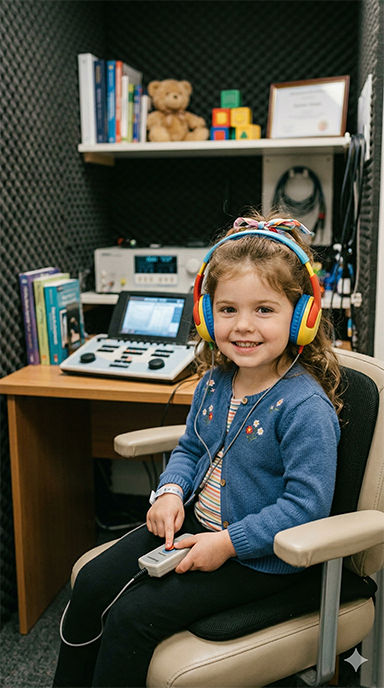
In Australia, it is important for children to have a hearing test at least one time before they start school. There should also be checks later when they reach key times as they grow. Regular checks help to find problems early. This way, children can get support when they need it for learning and talking with other people.
Can mild hearing loss still impact school performance?
Yes, mild hearing loss can hurt how well kids do in school. It is often hard for them to get language skills and join in at class. They may have trouble with understanding instructions. This can lead to low grades and trouble with other people at school. This shows how important it is to find and help kids with hearing loss early.
What resources are available for children diagnosed with hearing loss?
There are many resources that help children with hearing loss. These include special school programs, speech therapy, help from hearing doctors, and tools that make hearing easier. Parents and teachers can also find help and advice from both local and national groups. These groups give ideas to improve learning and ways to help children with their speaking and listening skills.
How can teachers adapt the classroom for students with hearing loss?
Teachers can help students with hearing loss by using visual aids in the classroom. They should make sure everyone has a clear view of the board and teacher. The room should be quiet with little background noise. They can also use tools that help with listening. It is important to make the classroom a place where everyone feels included. Peer support and good ways to talk with each other will help all students learn better.