Discover the essentials of Bone Conduction Hearing Loss, including its causes and effective solutions. Learn more in our detailed blog post!
What is bone conduction hearing loss?
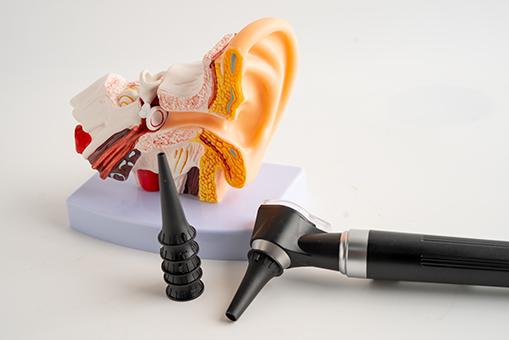
Bone conduction hearing loss is a type of conductive hearing loss caused by a disruption in the normal pathway of sound through the ear. Instead of traveling through the ear canal and middle ear, sound is transmitted through the bones of the skull—especially the mastoid bone—directly to the cochlea. This bypass allows auditory signals to reach the inner ear even when the outer or middle ear is damaged.
What causes bone conduction hearing loss?
Bone conduction hearing loss results from mechanical or structural problems in the outer or middle ear.
The following are 5 common causes:
| Cause | Description |
|---|---|
| Otosclerosis | Abnormal bone growth around the stapes that limits vibration. |
| Cholesteatoma | Skin growth in the middle ear that disrupts the ossicular chain. |
| Ear canal blockage | Obstruction from earwax or foreign objects that prevent sound transmission. |
| Chronic ear infections | Repeated infections that damage the tympanic membrane or middle ear bones. |
| Ossicular chain issues | Dislocation or erosion of the bones that transmit sound in the middle ear. |
What are the symptoms of bone conduction hearing loss?
The most common symptoms include reduced hearing clarity and pressure in the affected ear.
Additional signs vary by age and severity:
- In adults: Difficulty understanding speech, especially in noisy environments.
- In children: Speech delays, learning difficulties, and reduced attention span.
How is bone conduction hearing loss diagnosed?
An audiologist or ENT specialist uses specific tests to confirm the hearing loss type and source.
The most common diagnostic tools include:
| Test | Purpose |
|---|---|
| Audiogram | Measures hearing thresholds across frequencies. |
| Rinne test | Compares bone conduction to air conduction using a tuning fork. |
| Weber test | Detects lateralization of sound to identify conductive vs sensorineural. |
These tests localize hearing problems to the outer, middle, or inner ear and confirm whether the condition is conductive, sensorineural, or mixed.
What helps bone conduction hearing loss?
Treatment depends on the underlying cause and severity of the condition. In some cases, medical or surgical correction is possible.
Assistive hearing options include:
Bone anchored hearing aids (BAHA devices)
These surgically implanted aids transmit sound via bone vibration to the cochlea. They are ideal for patients with ossicular chain issues, temporal bone damage, or congenital ear malformations.
Bone conduction devices
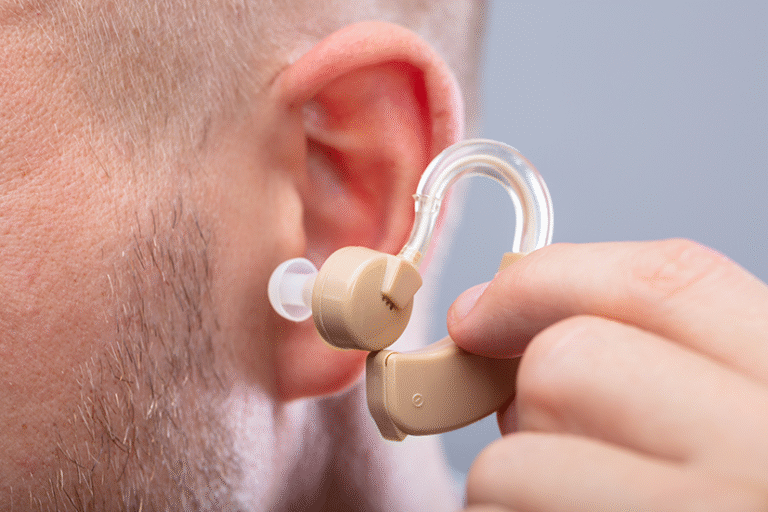
Non-surgical devices, such as headbands with bone transducers, offer a temporary or trial-based hearing solution.
Bone conduction implants
Surgically embedded implants are effective for permanent hearing loss when conventional hearing aids are ineffective.
Who should diagnose and treat it?
Only a licensed audiologist or ENT specialist should assess hearing loss.
They provide:
- Detailed evaluation of ear structure and cochlear function
- Differential diagnosis between sensorineural and conductive loss
- Personalized hearing treatment plans, including surgery if needed
Early detection improves hearing outcomes, especially in cases of pediatric hearing loss, ear infection complications, or chronic conditions.