Discover what should the public know about pediatric hearing health to catch issues early and boost a child’s future. Read our blog for essential insights!
Hearing is very important for children. It helps them talk, learn, and do well in life. When there is pediatric hearing loss, it can slow down language development. Kids may also find it hard to get along with other people and have trouble in school. This is why early detection of hearing loss is so important. When we check for hearing problems early, like with newborn screenings, we can find issues fast. Getting intervention services early can help with language development and make life better for kids. Hearing aids and support are key steps for those who need them.
Parents, doctors, and teachers all have a role in making sure kids take care of their hearing. They should look for signs of hearing loss or other hearing health problems and get help as soon as they notice them. When pediatric hearing loss gets found early and treated, the child is more likely to have a good future. Good health care can really help these kids.
Understanding Pediatric Hearing Health in Australia
Australia has made some good moves to help kids who have hearing loss. It has strong newborn hearing screening programs in place. The country also gives helpful intervention services to children who need them. Government organisations in Australia now make newborn hearing screening their top job. This is the main thing to find newborn hearing loss early. Early help is important because it can stop hearing loss from getting in the way of a child’s growth over time.
Hearing loss is still a big problem for many children in Australia. The number of children with hearing loss shows there is more to do. There needs to be more learning and support to make sure that all children with hearing loss get the care they need. They should get help at the right time and in the right way for them.
Prevalence and Impact of Childhood Hearing Loss
Rates of infant hearing loss are quite high. The prevalence of hearing loss shows that about 1 to 3 out of every 1,000 babies are born with this issue. Of these newborns, 1 to 2 out of 1,000 kids will have a hearing loss that does not get better. Some kids have genetic reasons for the loss. Other kids might get it from conditions like congenital cytomegalovirus. Being around loud sounds can also cause hearing loss.
The effects of moderate hearing loss are more than just not being able to hear well. If hearing loss is not treated, kids can fall behind when it comes to language skills. They might also have a hard time keeping up in school and talking with other people. Dr. Matthew Bush, M.D., says that early detection is important. It helps children do better with speaking and understanding others.
This problem costs a lot of money, and the economic costs of hearing loss in the United States are high. The Centers for Disease Control says children born in the year 2000 who have hearing loss could need around $2.1 billion for care over their whole lives. To make things better, we need to do more screening and help families at the right time. If we support these children early, we can take some of the burden of hearing loss off families and society.
Key Milestones in Auditory Development
Auditory development begins when a baby is born. It keeps moving forward as the child grows. This is important for language skills and helps people get along with others. When a baby is a newborn, they react to sounds. By 4-6 months of age, they will turn their heads when they hear something. It is good to know when babies do this. It helps people keep track of how their hearing gets better over time.
At around 10 to 12 months of age, your child will start to say simple words. They begin to connect the sounds they hear with the first words they say. When they hear sounds over and over, their vocabulary and the way they talk to people starts to get better. If you see any delays as your baby goes through these steps or months of age, it is important to spot it early. Doing this can help stop hearing loss from affecting how your child grows during these first months of age.
When children are between 18 and 24 months of age, you can see that they use more new words. At this time, they also start to follow short instructions. Some even talk in simple sentences. But if there is hearing loss, it can stop them from growing and learning to talk the way they should. This is why it is so important to help early. Then their language skills and hearing can be the best they can be.
Common Causes of Hearing Issues in Children
Knowing the causes of hearing loss in kids is very important. It can help people stop and handle this problem better. Congenital hearing loss is a type of hearing loss that some children have when they are born. It can be caused by genes. It can also be caused by infections like cytomegalovirus. There are some things in the world around us that may cause hearing loss, too. If a child is around loud noise for a long time, that can lead to hearing loss. A child can also get hearing loss after having otitis media. This type of hearing loss may then show up later in life.
It is best to find out about hearing loss early. In many cases, hearing loss can be treated if people notice it soon. Families, doctors, and teachers all play an important role in this. They help spot the causes of hearing loss and also work to protect a child’s hearing.
Genetic and Congenital Factors
Most cases of pediatric hearing loss happen because of genetics or because of conditions present at birth. The type of hearing loss that is passed down most often is called autosomal recessive non-syndromic hearing loss. A baby can be born with hearing loss if there are infections before birth. Some infections known as TORCH infections – such as toxoplasmosis, rubella, cytomegalovirus (CMV), and herpes – can harm the auditory pathways. These can cause hearing loss in babies.
CMV is one infection that can lead to sensorineural hearing loss in babies. Out of all the babies who get it, about 7-21% may have hearing loss. If a baby is born early with congenital cytomegalovirus infection, or has a low birth weight, or any other problems at birth, the chances of them having congenital hearing loss are even higher. Congenital cytomegalovirus can make hearing loss more likely in these cases.
It is very important to do newborn hearing screenings early. Early hearing detection helps find problems soon. When children get early intervention, they can use hearing aids or cochlear implants as needed. This helps them have much better results. A child will have a good chance to keep up with language development like other kids. Acting fast on congenital issues gives most children a better start with hearing and speaking. Early use of newborn hearing screenings and early intervention is key for good development.
Acquired Conditions and Environmental Influences
Otitis media with effusion is the main cause of hearing loss that people get as they grow older. This issue shows up most in kids who are between 2 and 5 years old. The fluid stays in the middle ear, and it can often clear up by itself. But if the fluid does not go away, the child may need to get ventilation tubes.
There are other things that can cause hearing loss, too. If you spend a lot of time around loud sounds, it can hurt your hearing. A head injury can also do a lot of harm to your ears. It is good to use ear protection and join talks about safe sound levels. These things can help stop hearing loss from happening.
Some infections can make hearing loss worse or cause it to stay forever. Mumps and bacterial meningitis are two that make the chance of damage to the ears higher. It is very important to stop long-term hearing loss by going to health check-ups and getting fast care for ear infections. Parents should work with their doctor and watch their children’s hearing closely. This can help spot problems early and keep hearing as good as it can be.
The Importance of Early Detection
Early detection is important for stopping lifelong issues that come from pediatric hearing loss. A newborn hearing screening helps find problems with newborn hearing in the first few months of life. If doctors learn about severe hearing loss early, a child can get help by 6 months old. That time matters a lot because it helps with language development.
If you miss the signs of hearing loss in a child, it can lead to problems that last a long time. It can affect both their hearing and the way they feel or act. Doing screenings and making sure a child has regular check-ups help you find hearing loss early. These actions make sure kids who have hearing difficulties get the help they need. When children get this support, they can do well at school and get along with friends.
Hearing loss, newborn hearing screening, newborn hearing, language development, early detection, and pediatric hearing loss are all important words you should know. These words are important for anyone who wants to learn more about how babies hear. They help us talk about the ways to find and help hearing problems in young ones. Parents, doctors, and teachers use these words when they work with children who may have hearing loss. It is good to understand what each word means because early detection can make a big difference for a baby’s language development and future.
Universal Newborn Hearing Screening in Australia
Australia’s universal newborn hearing screening program has changed how we care for newborn hearing. The program makes sure that every newborn is tested. This includes newborns who are in the NICU. Because people can check newborn hearing issues early, most problems are found just a few weeks after birth. When newborn hearing screening is done so early, babies can get more tests like otoacoustic emissions (OAE) or auditory brainstem response (ABR) right after the first test.
Most babies who do not pass the first check get checked again by 3 months of age. If there are problems, they start intervention services by 6 months. A quick start with these services is good for language development. It helps kids not get left behind with talking and how they share with others.
Australian government groups run this newborn hearing screening to check babies’ hearing. They do this all over the country, and an official government organization helps manage it. This strong plan covers both newborn hearing and infant hearing screening. Other places now look at these steps to help children’s hearing and health.
This program gives parents more information. It keeps the steps clear and easy to follow. Things keep getting better too. The program shows that early hearing help for babies works well. Many places in the world can learn a lot from how it is done here.
Signs and Symptoms to Watch for as Children Grow
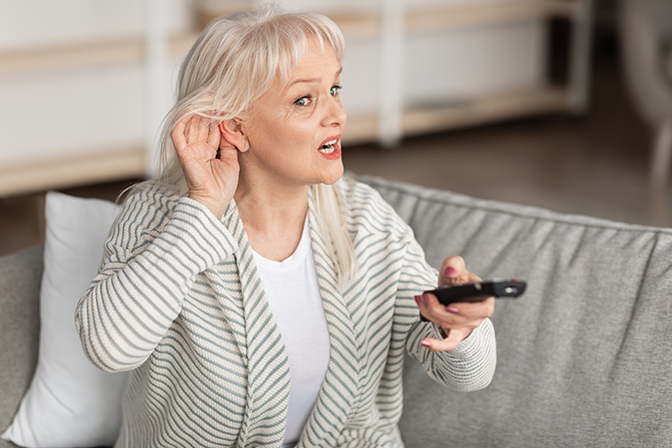
Detecting hearing loss means you have to look out for its signs. For young children, parents need to see how they react to loud sounds. Watch if they turn their head when they hear a noise or if they start to babble by six months of age. For older kids, hearing loss can show up when they do not talk on time. They may also not hear well when it is noisy, or say “what?” often and ask others to say things again.
Common warning signs include:
- A baby who does not look when you say their name by the time they are nine months old.
- Turning the TV volume up too much.
- Not able to do what is told in a group setting.
- Not spending social time with other children.
If you notice these signs early, you can get help fast. This way, the problem of hearing loss does not get worse as your child grows. It is a good idea to talk often with a pediatric hearing specialist. This lets the whole family work on any worries about hearing loss right away.
What are the types of hearing tests for children?
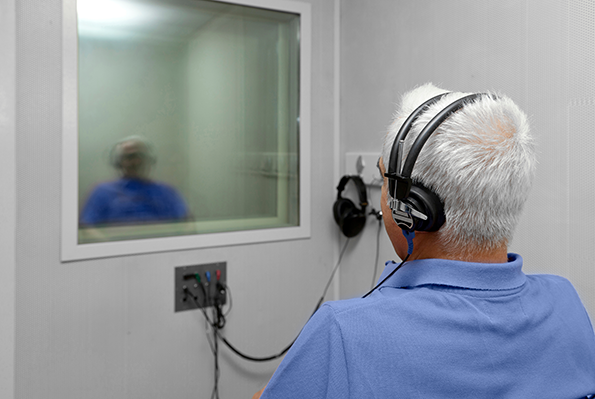
Pediatric hearing tests change based on the age of the child and how well they think and understand things. This helps doctors be sure about the right diagnosis. A newborn will usually get an objective test. Older children get tested with tests that look at their behavior. These tests find out the type, kind of hearing loss, and how serious it is. This information helps doctors know if children need help like hearing aids, speech therapy, or some other support, and make sure to start as soon as possible.
| Age Group | Recommended Tests |
|---|---|
| 0–6 months | Auditory Brainstem Response (ABR), Otoacoustic Emissions (OAE) |
| 6 months–2 years | Visual Reinforcement Audiometry (VRA) |
| 2–5 years | Conditioned Play Audiometry |
| 5+ years | Pure-Tone Audiometry, Speech Discrimination |
Using assessments that match a child’s age helps find issues early. Early detection is important for language development and better long-term outcomes.
How do OAE and ABR tests work for newborns?
OAE and ABR are the best ways to check a newborn’s hearing. They are used the most for newborn hearing screening.
- Otoacoustic Emissions (OAE): This test checks the sound waves made by the inner ear, or cochlea, when there is a sound. A cochlea that works well will make small echoes. This shows the inner ear is working the way it should.
- Auditory Brainstem Response (ABR): This test looks at how the hearing nerve and the brainstem react to sounds. A person will hear noises through earphones. The test measures the signals from the ear to the brain to check for any issues with hearing.
Both ways are non-invasive and automatic. They give reliable results, even if the baby is asleep. Early detection with these tests makes it possible to start treatment before 6 months of age. This helps improve language development and helps with thinking skills.
What behavioral tests are used for older children?
As kids grow up, hearing checks help see how well they react to sounds.
| Age Range | Test Type | How It Works |
|---|---|---|
| 6 months–2 years | Visual Reinforcement Audiometry (VRA) | Child turns toward sound, rewarded with a visual stimulus |
| 2–5 years | Conditioned Play Audiometry | Child performs a task (e.g., dropping a block) in response to a tone |
| 5+ years | Pure-Tone Audiometry | Child signals when hearing tones at different frequencies |
These tests give you details about how well you can hear. They also help to plan a treatment that fits just for you.
Why is early intervention critical?
Helping kids with hearing loss early, before they are 6 months of age, makes things much better for them.
Key benefits of early intervention include:
- Kids can develop speech and language skills faster.
- They also have better thinking and emotional development.
- Academic performance and classroom participation get better.
- Social interaction improves, and there are fewer behavior issues.
Services like speech therapy, hearing aids, and auditory-verbal training work best if they start early in life. The brain is more open to learning new things during this time, so these help the most when given at this stage.
How does early support improve learning?
Early support for hearing helps kids talk, think, and do better in school.
Effective support services include:
- Speech-language therapy that is made to fit the needs of children who have hearing loss
- Auditory training to help kids get better at listening when there is a lot of noise
- Parental coaching to guide parents on good ways to talk with their child
- Individualized learning plans to help each child get ready for school
When hearing loss gets noticed and treated early, children have a better chance to do well in school and with friends. This helps them avoid problems that could slow down their growth and development later.
What family and community support resources are available?
Families with kids who have hearing loss can get help from trained experts and from other people in the same situation. Both kinds of support are good for them.
Available resources include:
| Support Type | Examples |
|---|---|
| Professional Services | Audiologists, speech therapists, early interventionists |
| Parent Support Groups | National Deaf Children’s Society, local family networks |
| Workshops & Seminars | Educational events hosted by hospitals or advocacy groups |
| Community Programs | Playgroups, home visits, and inclusive recreational activities |
Engaging with these services can help caregivers feel more sure of themselves. It also lowers feelings of being alone. Plus, it helps people make better choices for the child’s health and school needs.
What educational support exists for hearing-impaired children?
Children who have hearing loss need their own learning plans. They should also have the right help in class to do well at school.
| Educational Support | Description |
|---|---|
| IEPs | Legally binding plans outlining specific accommodations |
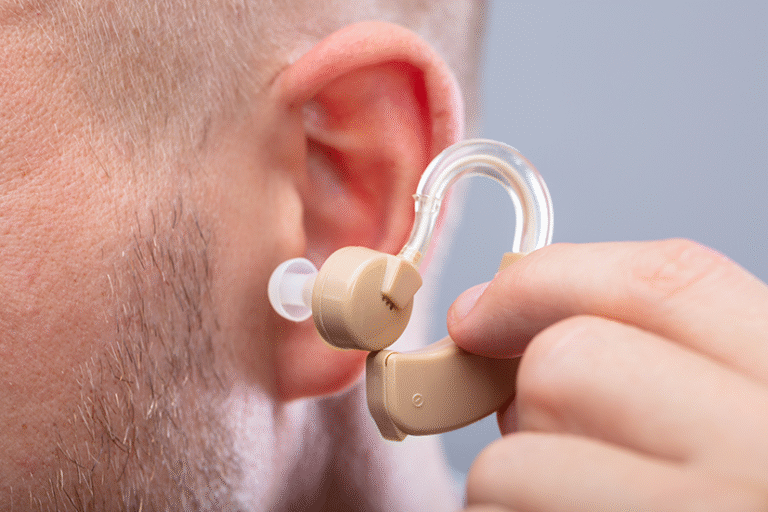
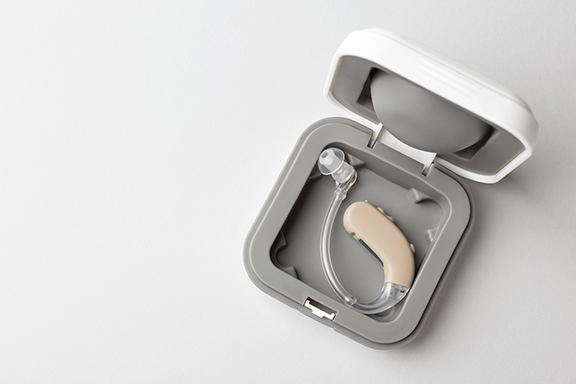
| Assistive Devices | FM systems, cochlear implants, hearing aids |
| Classroom Modifications | Preferential seating, captioned materials, quiet environments |
| Communication Support | Sign language interpreters, speech-language therapy |
Schools that support inclusive education help students with hearing loss do well in class and feel part of the group. They help these students to learn and take part with others. This way, every student gets a chance to feel welcome and do their best.
How do IEPs and accommodations support learning?
Individualised Education Plans (IEPs) help students with hearing loss get the support that fits their needs. These plans make sure each student gets help made just for them.
Key elements of an IEP include:
- Set clear learning goals with help from hearing tests.
- Make sure to use speech therapy and tools that help you listen better.
- In class, teachers should repeat instructions and use pictures or charts to help you learn.
- Talk with parents and teachers often to check how well you are doing.
These changes lower the walls that stop people from talking, help everyone feel part of the group, and make learning better for all.
Why is inclusion important for social development?
Inclusive places help children who have hearing loss make friends, feel good about themselves, and learn to talk with others.
Strategies that promote inclusion:
- Joint classroom activities are a good way for hearing and non-hearing students to spend time together and learn from each other.
- Mixed-communication approaches use both talking and sign language so everyone in the class can understand what is going on.
- Peer awareness programs help students feel empathy and understand their classmates’ experiences.
- Community initiatives can help more people learn about disability and feel more welcoming to all.
Children who feel like they belong are more likely to do well with others and feel good about themselves. This helps make their lives better in every way.
How can hearing loss in children be prevented?
Prevention means you need to lower noise exposure, take care of infections, and make sure to have regular hearing screenings.
| Risk Factor | Preventive Action |
|---|---|
| Loud sounds | Use ear protection, avoid prolonged headphone use |
| Ear infections (otitis media) | Treat early with medical intervention |
| Congenital conditions | Ensure timely vaccinations (e.g., rubella, cytomegalovirus) |
| Delayed detection | Conduct regular hearing screenings from birth onward |
Parental awareness and regular check-ups are important to stop hearing loss and keep good hearing. When parents know what can cause problems and take action early, they can help their kids keep their hearing healthy over time.
How can noise exposure be reduced for young children?
Keeping kids away from loud places can help stop hearing damage that does not get better.
Recommendations:
- Stay away from loud toys, concerts, and places that are very noisy.
- Use volume-limiting headphones made for kids.
- It’s good to play in quiet and safe places for sound.
- Give kids ear protection, like child-sized earplugs or earmuffs, if they need it.
Managing background noise in your home and school can help keep hearing healthy. This is very important when kids start language development.
Why are vaccinations and check-ups essential?
Routine shots and health checks help stop infections that may hurt hearing. Keeping up with these visits can protect the ears and stop problems before they get worse. It is important to take this step for good ear health.
Vaccines protect against diseases such as:
- Congenital cytomegalovirus (CMV)
- Rubella (German measles)
- Bacterial meningitis
- Measles and mumps
Going to see the doctor often can help spot ear infections and fluid buildup early. When you know about these problems quickly, you can get treatment sooner. This lowers the risk of having hearing loss because of these issues. Getting checked on time is a good way to take care of your ears. It helps stop hearing loss from ear infections.
What are early signs of hearing loss in children?
Spotting hearing loss early is key for quick help. Look out for:
- No reaction to loud sounds
- Lack of response to voices or name
- Delayed speech or unclear pronunciation
- Difficulty following simple instructions
- Preferential use of one ear
If you see these signs, you should talk to an audiologist right away. Acting early can make a big difference for language and learning.
How often should children have their hearing tested?
Children need to get hearing tests during important times as they grow up. This helps to spot any problems early, so they can get help if needed. It is good for their development and helps them learn and interact with other people better. Parents and doctors should make sure these tests happen at the right times in a child’s life.
| Age | Recommended Screening Time |
|---|---|
| Newborn | Before hospital discharge |
| Infant | At 1 month, 3 months, and 6 months |
| Preschool (3–5 years) | Annually or at any sign of speech/language delay |
| School-aged (5+ years) | Every 12 months or as needed |
Frequent checks help find hearing loss early. They also make sure any help or treatment can start right away.
Can ear infections cause permanent hearing problems in children?
Yes, if kids have ear infections again and again, it can lead to hearing problems that might not go away. This can be if you do not take care of the ear infections in time. The eardrum or the middle ear can get hurt, and that can make it hard for your child to hear well. This can also slow down how your child learns and grows. Early intervention is key to stop these problems and help keep your child’s ears healthy.
What treatments are available if my child is diagnosed with hearing loss?
If your child has profound hearing loss, they might get help with hearing aids, cochlear implants, or speech therapy for cochlear implant recipients. Early intervention is key. It can help your child do better, speak more clearly, and feel closer to people. Seeing an audiologist will help you figure out the best way to support your child.
Where can Australian families find support and resources for pediatric hearing health?
Australian families can find help and information about children’s hearing health from Hear for Kids, the Better Hearing Australia network, and local health departments. They can also go online, where there are good details about this. This is important for sharing sensitive information. These online options help connect people to audiologists and other specialists. Families can use them to get early intervention that works for their child.