Wondering who should get a diagnostic hearing assessment? Learn the key signs and reasons to seek evaluation before hearing loss worsens on our blog.
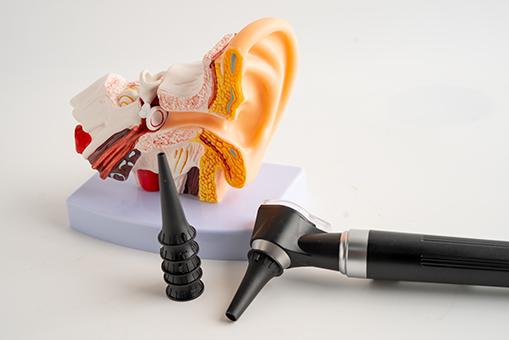
What is a diagnostic hearing assessment?
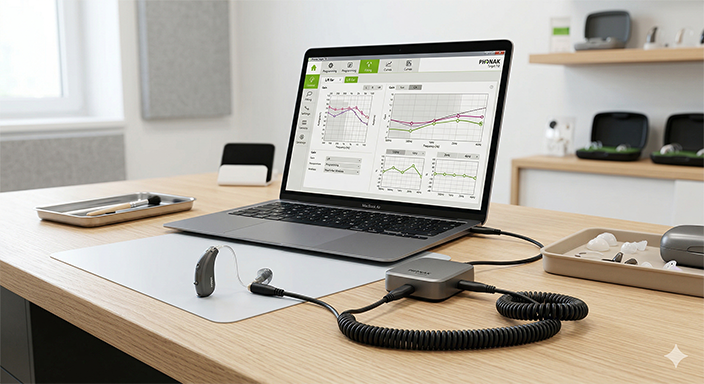
A diagnostic hearing assessment is a comprehensive test that measures the type and severity of hearing loss across various frequencies. Unlike a basic hearing screening, this exam uses advanced tools—such as audiometry, tympanometry, and speech recognition tests—administered by an audiologist or ENT specialist to evaluate both ears individually.
Why do smart patients act early?
Early hearing loss detection prevents permanent damage. Patients experiencing sudden hearing changes, tinnitus, or difficulty hearing speech should not wait. Timely hearing evaluation allows for targeted treatment, hearing protection strategies, or hearing aid planning—helping preserve quality of life.
When should adults get tested?
Who needs hearing tests after age 50?
Adults over 50 should schedule regular hearing tests due to the increased risk of age-related hearing loss (presbycusis). This form of sensorineural hearing loss progresses gradually and often goes unnoticed.
Recommended testing schedule:
| Age Range | Hearing Test Frequency | Reason |
|---|---|---|
| 50–59 | Every 3 years | Early detection of gradual hearing decline |
| 60+ | Every 1–2 years | Higher risk of significant hearing threshold shifts |
Testing at this stage supports:
- Early identification of hearing changes
- Timely hearing aid evaluation
- Better long-term hearing conservation
What are early signs of hearing loss?
You may need a hearing test if you notice:
- Muffled sounds during conversation or phone calls
- Ringing in the ears (tinnitus)
- Balance issues or dizziness (linked to vestibular dysfunction)
- Turning up device volume more than usual
- Asking others to repeat themselves
These symptoms often signal conductive hearing loss or auditory processing disorder, especially if persistent.
Who faces higher risk for hearing loss?
What jobs require workplace hearing tests?
Industries such as construction, aviation, and manufacturing expose workers to high-decibel noise. These environments increase the likelihood of noise-induced hearing loss. OSHA and similar agencies recommend annual workplace hearing tests for employees in such roles.
What medical conditions affect hearing?
Patients may need diagnostic hearing tests if they have:
- Chronic ear infections
- History of concussions or head trauma
- Diabetes or cardiovascular disease
- Exposure to ototoxic medications
- Family history of hearing impairment
These risk factors compromise cochlear health and may cause high-frequency or low-frequency hearing loss.
When should children be tested?
Who needs pediatric hearing assessments?
Children with delayed speech or behavioral issues should undergo a pediatric hearing assessment. A speech delay hearing test helps determine whether hearing issues contribute to developmental delays. Early intervention is critical for auditory and language development.
Who should perform the hearing assessment?
Only licensed audiologists or ENT specialists can perform a full diagnostic hearing test that includes:
- Otoscopy (ear exam)
- Pure-tone and speech audiometry
- Assessment of hearing thresholds
- Tailored recommendations for treatment or hearing aids
When to see an audiologist: Act at the first sign of change. Whether due to age, noise exposure, or medical conditions, smart patients prioritize professional hearing healthcare to avoid long-term hearing impairment.