Curious about what happens after a hearing test? Discover your results, treatment options, and next steps in our comprehensive guide on the blog.

Hearing tests are the first step if you want to know more about your hearing health. An audiologist does the hearing test to see if you have hearing loss and how serious it is. For the test, the audiologist may use pure tone audiometry or speech audiometry. These ways help give a full look at your hearing. Some people get a hearing test when they start to notice changes, and others need it fast. No matter why you go, the test gives you important answers about your hearing loss. Always take the hearing test seriously because it is the first step on the way to better hearing.
Understanding Your Hearing Test Results
Your hearing test results tell you about your hearing health. They show the degree of hearing loss you have. These results also say which part of your ear is affected, like the outer, middle, or inner ear. The hearing test results are put on an audiogram. This helps you see how well you hear different sound levels and pitches.
An audiologist will look at the data with you. They will tell you what the words mean and talk about what to do next. These results matter because they help you and the audiologist pick the best treatment options for your hearing loss after the hearing test. This way, you both know the next steps to take.
What do the results indicate about your hearing health?
Hearing test results tell you how well you can hear sounds. These hearing test results can help find out if you have hearing loss or any kind of hearing health issue. The degree of hearing loss shown in the test tells you how much trouble you might have with your hearing. This might be mild or go up to deep hearing loss. It can change the way you notice sounds in your daily life. For example, it may affect talking with people or hearing an alarm. The results are clearly shown on a graph called an audiogram. This audiogram helps show your hearing test results in a simple way.
When audiologists check the results, they find out if your hearing loss comes from your middle ear or inner ear. They can also tell if you have mixed hearing loss. For example, if you lose hearing in your inner ear, it is called sensorineural hearing loss. If it happens in your outer or middle ear, it is called conductive hearing loss. Many times, this type can be helped.
There are different types of hearing tests. Some of these are pure tone audiometry and tympanometry. Each test gives information to help create a full picture of your hearing. With this, your hearing health care plan can be made to fit the kind and degree of hearing loss you have.
How to interpret common terms in your audiogram
An audiogram is a chart that shows your hearing test results. It uses symbols or lines to show how well you hear sounds at different pitches and loudness. To read an audiogram, you need to know what each part means.
The test usually has “pure tone audiometry” where it checks the softest sound that you can hear. It also has “speech audiometry” that looks at how well you understand speech when it is played at different volumes. For both of these, your results are shown on a graph. Audiometry gives a clear picture of your hearing ability by using these tests.
| Term | What It Measures |
|---|---|
| Frequencies (Hz) | High or low-pitched sounds like whistles or bass tones. |
| Decibels (dB) | The sound intensity required for you to hear. |
| Symbols (O and X) | Indicate hearing thresholds for the right (O) and left (X) ear. |
| Bone Conduction Scores | Test how vibrations travel through your inner ear bypassing the middle ear. |
| Speech Recognition | The percentage of words understood at different sound levels. |
Knowing these words can help you learn more about your hearing health. This also makes it easier when you talk to your audiologist about any needs you have.
Next Steps After Receiving Your Hearing Test Results
After you look at your hearing test results, the next steps are important for your hearing health. If your hearing test results are not clear, you may have to book another hearing test. Or, your audiologist may tell you to start treatment, depending on what the results show.
Your audiologist may also tell you to see another expert if you need extra help. It does not matter if you have a small hearing loss or a bigger problem. Knowing the right things to do can help with your hearing health. This can help make your overall quality of life better. Taking care of hearing loss will also help more with your quality of life.
When to consider a follow-up hearing test
A follow-up hearing test can be needed if your first test shows there may be some potential issues. This can include sudden or new changes in hearing. People who work in places with loud noises each day may also need further testing. If you have not had a full hearing test before, it is good to get one. A follow-up test helps make sure we do not miss any problems.
Children and young adults need to have regular follow-up checks, especially if the hearing loss was found early. These tests help audiologists look for any changes in hearing as time goes on. This way, they can update the treatment if it is needed.
Plan to have follow-up tests if you notice your symptoms getting worse. For example, if your tinnitus gets louder or you have more trouble understanding people in noisy places. Tracking your hearing with these tests can help you keep your hearing normal and stop other problems from coming up later.
Specialist referrals and what to expect
Your audiologist might ask you to see another doctor. This doctor is called an ENT, or ear, nose, and throat doctor. They will do more tests if you need them. The ENT can help find out if you have fluid in your ear or if there is a problem with your eardrum. This can help you, me, and others know what is causing your hearing problem.
At your visit with the ENT, you may have to get more tests done. These could be special images or checks to look into the middle or inner ear. These extra steps will help support what your audiologist has found. They can also help you get the right answer for what is going on.
You may need to take a few tests like otoacoustic emissions or tympanometry. When the audiologist and ENT work together, they look for treatment options that fit your hearing needs best. This way, you get care that works well for you.
Treatment Options for Diagnosed Hearing Issues
There are different treatment options for hearing loss. Some are simple, and others may need surgery. A lot of people can get better hearing and understand speech more by using hearing aids or other devices. These treatment options can help many people with hearing loss.
For bad hearing loss that comes from issues in the middle or inner ear, some people might need surgery. Your audiologist will speak with you about these options. They want you to get the treatment that fits your hearing loss and helps you in your daily life and improves your overall quality of life.
Overview of hearing aids and assistive devices
Hearing aids and other helpful devices are the best way to deal with hearing loss. These devices make it easier to hear, as they make sounds louder. This helps you talk to people and be in noisy or quiet places with less trouble. With hearing aids, you can feel more at ease in all these situations.
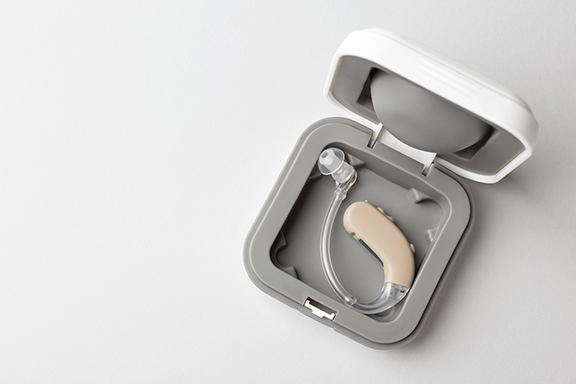
There are many types of hearing aids. Some fit behind your ear, called BTE. Others fit in your ear, called ITE. You can also get features that block noise, connect to Bluetooth, or use batteries you can charge again. There are other things that help you get better hearing, too. Personal amplifiers and phones that show words as people talk are helpful in some situations.
Ask your audiologist to help you choose the right devices for what you need. A good fit and set up will help you have better hearing. You can feel good again when you talk to people and feel more comfortable each day.
Surgical options and when they are recommended
Surgery can help some people who have hearing loss, especially when hearing aids do not work for them. These surgeries often focus on fixing problems in the middle or inner ear.
One way to help with hearing loss is to have a tympanoplasty. This is a surgery that fixes the eardrum if it gets hurt. Another way is to use cochlear implants. Doctors might say people need them if their hearing loss is bad and hearing aids do not work anymore. A cochlear implant skips the hurt part and sends sound right to the nerve in the inner ear.
Doctors think about surgery if other treatments do not help. An audiologist and an ENT doctor will meet with you. They talk with you so you can know if surgery can help your hearing and make your life better.
How often should I get my hearing tested?
Adults need to have a hearing test every year. This is even more important if you work or spend lots of time in loud places. Young children need to get their hearing checked even more often. Good hearing is important for them, as it can help with how they grow and be part of social activities with other kids. If you see any changes in the way you hear or have trouble talking with people during your day, you should go see your audiologist for a full hearing test.hearing loss and access to advanced tools.