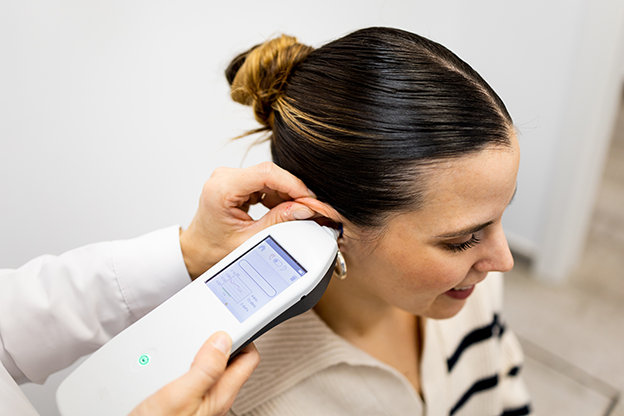
Curious about what ear wax is and what it does? Discover the essential role this natural substance plays in keeping your ears healthy in our latest blog.
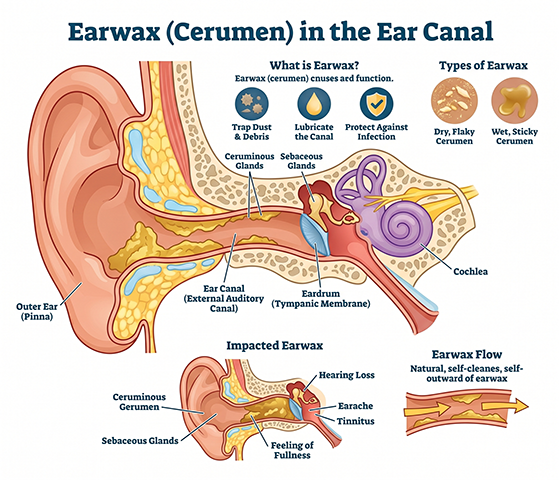
Have you ever wondered about that waxy stuff in your ears? While many people think of ear wax as something gross to be removed, it’s actually a genius defense mechanism your body creates. This natural substance plays a vital role in your overall ear health by keeping your ear canal clean, lubricated, and protected from the outside world. Understanding what ear wax is and what it does can help you appreciate its purpose and know how to manage it correctly.
Understanding Ear Wax: What Is It and Why Do We Have It?
Ear wax, known by the medical term cerumen, is a completely natural substance secreted in your ear canal. It’s not just dirt; your body produces it for a very important reason. Its primary job is to protect the delicate skin inside your ear.
This waxy material is a unique blend of secretions, dead skin cells, and tiny bits of ear hair. This combination creates a protective barrier that keeps your ears healthy and functioning properly. Without it, your ears would be vulnerable to all sorts of problems. Next, let’s explore exactly how your body makes it.
The Science Behind Ear Wax Production
The process of earwax production takes place in the outer third of your ear canal. It involves special ear canal glands that work together to create this protective substance. The two main types of glands involved are sebaceous glands and modified sweat glands.
The sebaceous glands produce an oily substance called sebum. This is mixed with the secretions from the sweat glands to form the waxy base of cerumen. This mixture is essential for giving ear wax its unique texture and protective qualities.
To complete the recipe, the body adds shed layers of skin. About 60% of ear wax is made of keratin, which comes from these dead skin cells. This mixture of oils, waxes, and dead skin creates the final product that lines your ear canal, ready to do its job.
Types of Ear Wax: Wet vs Dry and Their Unique Characteristics
Did you know that not all ear wax is the same? Recent studies show there are two genetically determined types: wet wax and dry wax. A single gene, ABCC11, determines which type you have. The wet type is a dominant trait, while the dry type is recessive.
Wet wax is more common in people of African and European descent. It is typically sticky and can be light brown, dark brown, or orange. In contrast, dry wax is more common among East Asians and Southeast Asians. This type is usually gray or tan, brittle, and flaky.
Each type has a different composition, which affects its appearance and texture. Here’s a quick breakdown of their characteristics:
| Characteristic | Wet Wax | Dry Wax |
|---|---|---|
| Appearance | Light brown to dark brown, orange | Gray or tan |
| Consistency | Moist, sticky, viscous | Brittle, flaky, dry |
| Lipid Content | High (about 50%) | Low (about 20%) |
Key Functions of Ear Wax in Ear Health
So, what exactly does ear wax do for your ear health? Its role is far more important than you might think. This substance performs three key functions: cleaning, lubrication, and protection. It is your ear’s built-in maintenance system.
By performing these duties, ear wax keeps the outer ear canal in excellent condition, preventing dryness, infection, and damage from foreign debris. Let’s take a closer look at how it accomplishes each of these critical tasks to keep your ears safe and sound.
Cleaning, Lubrication, and Protection for the Ear Canal
Your ears have a remarkable self-cleaning mechanism, and ear wax is at the heart of it. The skin in your ear canal grows from the inside out in a process often called the “conveyor belt.” As the skin migrates toward the outer ear, it carries old ear wax, dust, and other debris with it.
Movements from your jaw, like talking and chewing, help this process along. These motions dislodge the wax from the walls of the ear canal, allowing it to fall out naturally. This continuous cleaning cycle keeps your ears free of blockages.
Additionally, ear wax provides essential lubrication for the delicate skin of the ear canal. Its high lipid content prevents the skin from becoming dry, itchy, or flaky. This moisturizing effect is crucial for maintaining comfort and protecting the sensitive lining of your ear.
How Ear Wax Prevents Infections and Damage
One of the most impressive functions of ear wax is its ability to fight off infections. It has natural antimicrobial properties that create an inhospitable environment for pathogens. This is partly due to its slight acidity, with a pH of around 6.1, which inhibits the growth of harmful bacteria.
Studies have shown that ear wax is effective against several types of bacteria, including Staphylococcus aureus and E. coli, sometimes reducing their viability by up to 99%. It also contains lysozyme, an enzyme that can break down bacterial cell walls.
Beyond its antibacterial qualities, ear wax also has antifungal properties that stop the growth of fungi commonly found in ear infections. It also acts as a physical barrier, trapping dust, dirt, and other foreign particles before they can travel deeper into the ear and cause damage.
Ear Wax Buildup: Causes and Common Symptoms
Normally, your ears manage earwax production and removal on their own. However, sometimes this process gets disrupted, leading to earwax buildup. This condition, known as cerumen impaction, occurs when wax gets stuck and creates a wax blockage in the ear canal.
This can happen if you produce an excess amount of wax or if the natural cleaning process is hindered. When this buildup becomes significant, it can lead to a variety of uncomfortable symptoms. Let’s explore why this happens to some people and what signs to watch out for.
Why Some People Experience Excess Ear Wax
Ever feel like your ears produce more wax than everyone else’s? You might be right. Some people are simply prone to producing excessive earwax because their ear canal glands are more active. Factors like genetics can play a role in how much and what type of wax your body makes.
Physical characteristics can also contribute to buildup. People with narrow or uniquely shaped ear canals may find that wax doesn’t exit as easily. Having a lot of ear hair can also trap wax and prevent it from moving out naturally.
Your habits can make a difference, too. Frequently using hearing aids, earbuds, or earplugs can block the ear canal and push wax deeper inside. Using cotton swabs is another common cause, as it can interfere with the ear’s self-cleaning process and lead to impaction.
Warning Signs You Might Have Too Much Ear Wax
If you have an earwax blockage, your body will likely send you some warning signs. These common symptoms can range from mildly annoying to quite disruptive. A feeling of fullness or pressure in your ear is often one of the first things people notice.
An earwax blockage can also press against your ear drum, leading to more distinct problems. Recognizing these signs is the first step toward getting relief and preventing further issues.
Here are some key warning signs that you might have too much ear wax:
- Temporary hearing loss that may worsen over time
- Ear pain or a persistent earache
- Ringing in your ears, also known as tinnitus
- Dizziness or a feeling of being off-balance
What is the safest way to remove ear wax at home?
When dealing with earwax removal at home, safety should be your top priority. The American Academy of Otolaryngology advises against removal unless the wax is causing symptoms. The safest initial approach is to soften the hardened wax using cerumenolytics, or ear drops.
Before attempting any removal, apply a few drops of a softening agent to the affected ear and lie on your side for a few minutes to let it work. You can repeat this for a few days to make the wax easier to dislodge.
Here are some effective softening solutions:
- Commercial ear drops containing hydrogen peroxide
- Mineral oil or baby oil
- A simple saline solution
- Glycerin
After softening the wax for several days, you can try gently irrigating your ear with warm water using a rubber bulb syringe. However, if you have a perforated eardrum or ear tubes, you should avoid this method and see a doctor.
Why should you avoid using cotton swabs for ear wax removal?
It might feel satisfying, but using cotton swabs (or cotton buds) to clean inside your ears is a bad idea. Healthcare professionals strongly advise against it because it often does more harm than good and can lead to serious complications.
Instead of removing wax, a cotton swab typically pushes most of it deeper into the ear canal. This can compact the wax against your ear drum, causing earwax impaction and making the problem much worse.
Here’s why you should keep cotton swabs out of your ear canal:
- They can cause earwax impaction by pushing wax deeper.
- They may scratch or damage the delicate skin inside your ear.
- There’s a risk of perforating your ear drum if inserted too far.
- They can stimulate your glands to produce even more wax.
When does ear wax blockage require seeing a doctor?
While many cases of ear wax blockage can be managed at home, there are times when you should definitely seek professional medical help. If at-home treatments don’t relieve your symptoms or if your symptoms are severe, it’s time to schedule a visit with your doctor.
A healthcare provider can safely and effectively remove the impacted wax using special instruments, suction, or irrigation. This is especially important if you experience sudden or significant symptoms.
You should see a doctor for ear wax blockage if you have:
Dizziness or fever accompanying your other symptoms.
Severe or persistent pain in your ear.
Significant hearing loss, drainage, or a foul odor, which could signal ear infections.