How Does Reduced Auditory Input Affect the Brain?: What Happens When the Brain Stops Receiving Enough Sound
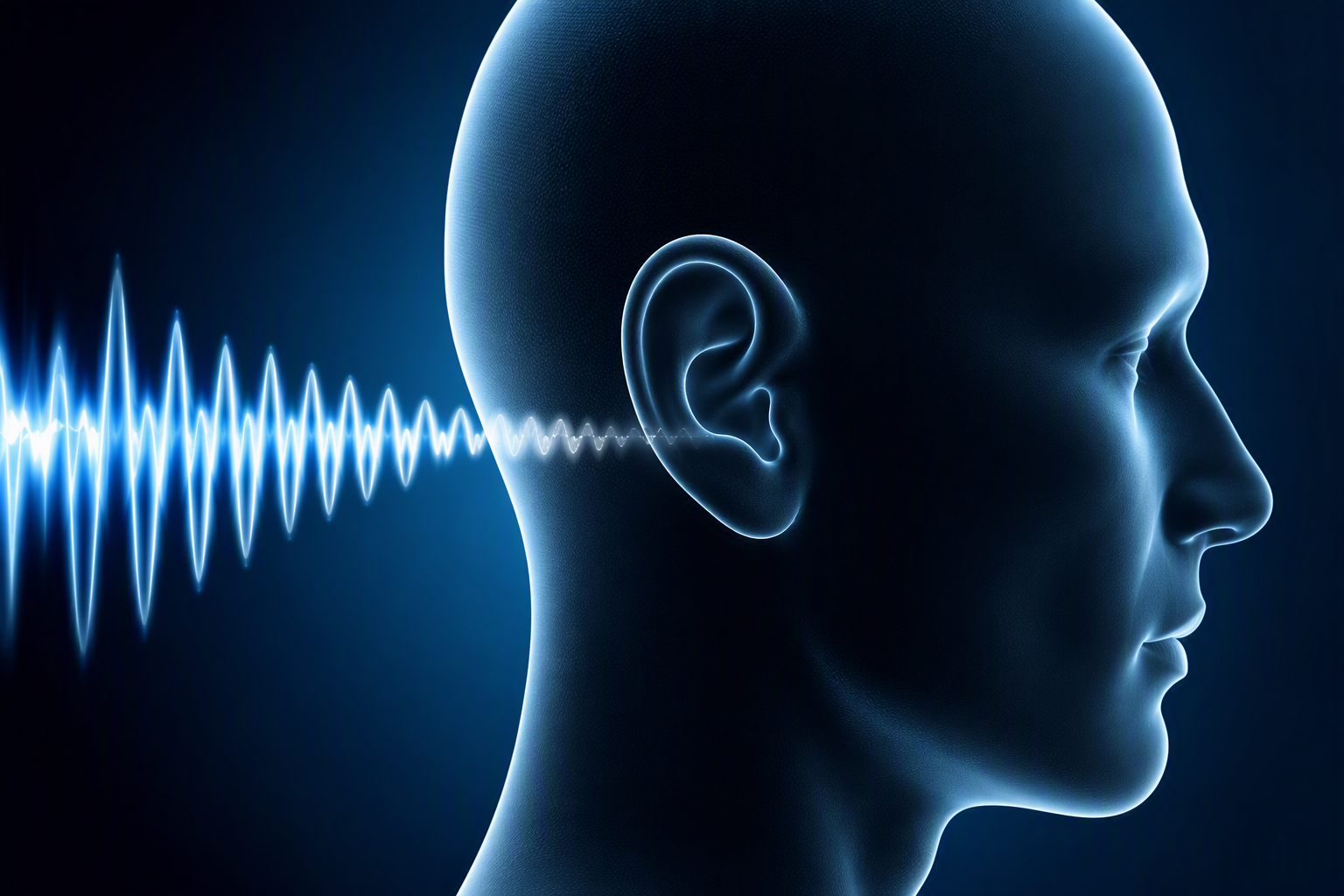
Reduced auditory input occurs when the brain receives less sound because of hearing loss, hearing impairment, or auditory deprivation. Sound provides important stimulation for the auditory system, supporting speech perception, communication skills, and cognitive function. When normal hearing is disrupted, the brain can adapt, but prolonged lack of stimulation may contribute to measurable brain changes.
What Happens When the Brain Receives Less Sound?
The auditory cortex has a vital role in interpreting speech sounds and environmental sounds. When hearing loss reduces signals from the inner ear through the auditory nerve, neural pathways may receive less stimulation.
How Does the Brain Adapt?
The brain’s ability to reorganize itself allows different areas of the brain to adapt when auditory input decreases.
Why BAHA Programming Goes Beyond Basic Setup
A basic, out-of-the-box setting for a BAHA device is just a starting point. Your hearing profile is unique, and a generic setup won’t deliver the best results. Professional BAHA programming is essential for achieving optimal hearing outcomes and high patient satisfaction. It transforms the device from a simple amplifier into a sophisticated hearing tool.
This detailed adjustment process directly impacts your ability to understand conversations. By fine-tuning the settings, an audiologist can significantly improve your speech perception, especially in challenging environments with background noise. This level of personalization helps you distinguish words more clearly and engage more confidently in discussions.
Ultimately, going beyond the basic setup is about maximizing your quality of life. When your device is programmed correctly, you experience sound more naturally and comfortably. This tailored approach ensures you get the most out of your investment, leading to a more positive and empowering hearing journey.
| Change | Potential effect |
|---|---|
| Reduced stimulation | Less activity in auditory pathways |
| Neural reorganization | Other areas may become more involved in processing |
| Effortful listening | Greater cognitive effort for speech perception |
| Cognitive overload | More resources devoted to understanding sound |
These adaptations show why even mild hearing loss can affect listening and cognitive performance, especially when background noise makes speech difficult to understand.
Does Auditory Deprivation Affect Cognitive Function?
Untreated hearing loss has been associated with cognitive decline and a higher risk of incident dementia in older adults. However, hearing loss is considered a risk factor rather than proof that reduced auditory input directly causes cognitive impairment.
Why Does Listening Become More Difficult?
Effortful listening can require greater cognitive resources to fill in missing speech sounds, understand sentence structure, and recognize new words. Noisy environments and loud noises can increase this demand.
Social isolation may also contribute. Communication challenges can make social interactions harder, potentially reducing social engagement and affecting quality of life and cognitive health.
Can Hearing Aids Restore Auditory Stimulation?
Hearing aids can increase access to speech and environmental sounds. Modern hearing aids are designed to improve speech clarity and support effective communication according to individual needs.
What About Cochlear Implants?
For people with significant sensorineural hearing loss who receive limited benefit from hearing aids, cochlear implants can provide electrical stimulation to the auditory nerve. Early intervention may help maintain auditory stimulation and support communication abilities.
| Support | Potential role |
|---|---|
| Hearing aids | Increase access to speech and everyday sounds |
| Cochlear implants | Provide stimulation when hearing aids are insufficient |
| Assistive devices | Improve access in challenging listening situations |
| Communication strategies | Support conversations and social engagement |
Can Other Communication Methods Help?
People with substantial hearing impairment may use lip reading, sign language, visual stimuli, communication strategies, or speech therapy. Speech therapists can support language skills, speech clarity, and communication skills when needed.
Conductive hearing loss and sensorineural hearing loss require different clinical evaluation and treatment. An ENT specialist and hearing professional can determine the underlying problem and appropriate support.
Early evaluation is important because protecting hearing health and maintaining auditory stimulation can support communication, daily life, and long-term brain health.