Discover the differences in purpose, process, and benefits between a DVA hearing test vs. Regular Hearing Test. Read our blog for valuable insights!
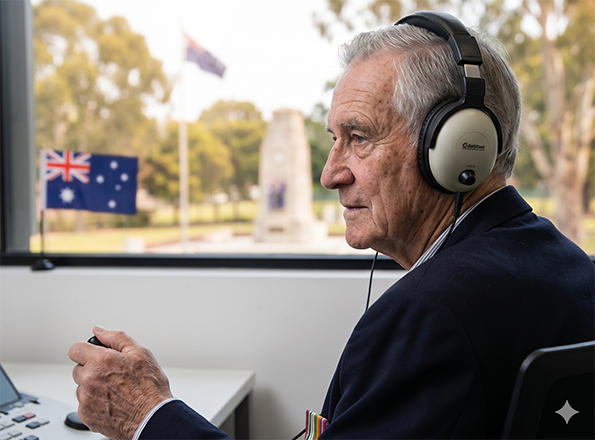
Hearing loss is a common problem for many people. Some get a hearing test to find out more about their listening problems. For veterans in Australia, the department of veterans affairs (DVA) gives special hearing checks. These are made for the unique needs of people who served in the military service. DVA hearing tests are not the same as normal hearing tests that most people get. The main reason and the benefits you get from these DVA tests are different. Knowing how these hearing tests are not the same can help people make better choices for their ear health. It can also help them get important help and support from the department of veterans.
Understanding Hearing Tests in Australia
Hearing tests in Australia help check how well you hear by using tests made just for you. If you have hearing loss or find it hard to hear, an audiologist can figure out what kind of hearing trouble you have and how bad it is. These hearing tests will often see how you react to different sounds and speech.
These tests are important. The impact of hearing loss can make it much harder to talk with others. It can also lower your quality of life and affect how you feel each day. If you need help with hearing loss, or if you want a special test, there are good hearing health services in Australia that can do that for you.
Overview of DVA Hearing Tests
DVA hearing tests are designed for veterans, focusing on hearing loss caused during military service. The Department of Veterans Affairs (DVA) uses these tests to determine a person’s VA disability rating, which determines eligibility for benefits. The test examines service connection, examining if the severity of the hearing loss was caused or worsened in the military. Veterans often experience sensorineural hearing loss due to prolonged exposure to loud sounds. The DVA checks eligibility for VA benefits with a diagnosis of hearing loss, a service connection, and evidence of daily life impact. The severity of hearing loss affects the VA disability rating, which can range from 0% to 100%.
Overview of Regular Hearing Tests
Regular hearing tests are conducted by an audiologist to assess hearing health, detect hearing loss, and identify its causes. These tests use puretone audiometry to detect soft sounds and speech discrimination tests to assess speech comprehension. The goal is to prevent hearing loss from worsening, regardless of its severity. Early detection can lead to better hearing aid options and improved sound quality. Hearing loss can significantly impact communication and quality of life, so regular tests aim to prevent its worsening
Purpose of a DVA Hearing Test
The main goal of a DVA hearing test, including the Maryland CNC test, is to check for hearing loss that may have come from military service and to find out if you can get VA disability compensation. These tests look at things like being around loud noises while in the military to see how they might have caused hearing loss.
By looking closely at the special problems veterans have, the DVA hearing tests help make sure they get the right VA rating compensation. The money you get depends on how bad the hearing loss is. This testing also helps people learn more about the impact of your hearing loss in both daily life and work for veterans.
Eligibility Criteria for DVA Hearing Assessments
To obtain a DVA hearing test, veterans must meet specific rules set by the Department of Veterans Affairs. They must provide proof of military service and link the hearing loss to their time in service. Evidence of exposure to loud noises or traumatic events during service could contribute to or worsen the hearing loss. A certified audiologist must conduct hearing tests to confirm the hearing loss. The VA examines signs of persistent hearing problems, such as speech muffling or difficulty distinguishing words. If the hearing loss is linked to military service, veterans can receive benefits, including access to cochlear implants, to manage their hearing loss and other impairments.
Why Veterans Require Specialised Hearing Evaluation
Veterans often experience hearing problems due to exposure to loud noises during their military service, such as airplane engines or explosions. These issues can cause hearing loss or severe hearing loss, making it difficult to communicate, handle daily life, and even impact mental health. Standard hearing tests may not always reveal all these issues, necessitating specialized checks to assess the impact of military service on hearing.
Purpose of a Regular Hearing Test
The aim of a regular hearing test is to find hearing loss, check how bad it is, and help people deal with it. These tests help find problems with hearing early, so the right help can be given as soon as possible.
Audiologists do these hearing checks to see how serious the hearing impairment is and how it could affect daily life. It does not matter if the hearing loss is because of age, loud noise, or something else. These tests are important because they help people keep their ability to talk with others, feel good, and get the help or hearing aids they need.
Common Reasons Australians Seek Hearing Tests
Hearing health is very important for talking and staying connected. Many people in Australia get hearing tests for different reasons, such as:
- Ongoing hearing loss symptoms, like finding it hard to hear in noisy places.
- Hearing voices or sounds that seem muffled or unclear.
- Tinnitus, which is when you hear a ringing in your ears that does not go away.
- Worry about not having the same quality of life because of trouble with hearing.
- Getting suggestions to use hearing aids or special hearing tools.
Differences in Objectives Compared to DVA Tests
DVA hearing tests differ from most hearing tests in their primary objective of detecting hearing loss and preventing further damage. They focus on assessing the connection between hearing problems and military service using tests like puretone audiometry and speech discrimination. These tests are unique in that they only consider DVA hearing test results when seeking VA disability compensation, unlike regular tests which consider hearing aids, surgery, or other treatments. Each test has its own specific purpose, making it distinct from other tests that focus on general hearing health.
The Process: DVA Hearing Test vs. Regular Hearing Test
Both DVA and regular hearing tests check how your hearing is now, but they are not done in the same way. DVA tests add extra steps. These tests look at your relevant medical records and see if your hearing loss is linked to your service connection. Normal hearing tests, on the other hand, only aim to find out if you have hearing loss.
For both veterans and people who have not served in the military, the audiologist is the one who does these tests. If you are a veteran, you will get special assessments, so you may qualify for VA or DVA benefits with the use of hearing aids. If you are not a veteran, you will get regular tests that focus on the hearing loss issues that impact you.
Step-by-Step Breakdown of a DVA Hearing Assessment
A DVA hearing assessment involves several thorough steps, ensuring proper evaluation, including:
| Step | Description |
|---|---|
| Medical Record Review | Relevant history of military service and exposure to loud noises evaluated. |
| Puretone Audiometry | Measures hearing across different frequencies and volumes. |
| Speech Discrimination | Assesses clarity of speech in everyday scenarios using specialized tests. |
| Audiogram Results | Creates a visual chart of hearing thresholds at various pitch levels. |
These steps ensure that the veteran’s condition aligns with VA disability rating criteria. Accurate results are vital in granting necessary compensation and support.
What to Expect During a Standard Hearing Test
Standard hearing tests are easy and simple. You wear a set of headphones. The audiologist then plays tones with different sounds and pitches.
First, they check your puretone threshold average. This helps find out the softest sounds that you can hear. The test results are shown on an audiogram. This chart tells you if you have hearing loss and how bad it is.
Audiologists also do a speech discrimination test. This is to find out how well you can hear words and understand them. By looking at your test results, the professionals can see how much impact the problem has. They will let you know what steps to take next, like using hearing aids or trying other ways to help.
Benefits and Outcomes of Each Test Type
Both DVA tests and regular hearing tests want to help people get a better quality of life and to help with hearing loss. But these tests lead to different things. DVA tests are for veterans who need to get VA disability benefits. Veterans can get money from the VA based on how bad their hearing loss is.
Regular hearing tests focus more on finding hearing loss early. They help people use hearing aids or change things in daily life, so they can deal with hearing loss every day. Both types of tests help the right people in the right way—veterans can get support and money, and other people can get treatment to make their daily life better.
How DVA Hearing Tests Impact Veteran Health and Support
DVA hearing assessments help veterans by finding out if they have hearing loss from their service. The results decide the VA disability rating. This rating affects how much money they get.
For example, if someone gets a 10% rating based on the numeric designation of hearing impairment, it means they have mild hearing loss. If the hearing loss range is very bad or if there is deafness, the rating can be as high as 100%. This money helps people handle the effects of the impairment better.
The test also lets veterans get more help, like getting new hearing aids and other tools. This way, they can keep their independence and have a better quality of life.
Advantages of Regular Hearing Tests for the General Population
Hearing is important for communication, safety, mental health, and quality of life. Regular tests are beneficial for all ages, allowing early detection of hearing issues, preventing further deterioration, and supporting overall well-being.
| Advantage | Description |
|---|---|
| 1. Early Detection | Catch hearing problems early before they become severe. |
| 2. Better Communication | Prevents misunderstandings and improves social interactions. |
| 3. Mental Health Benefits | Lowers the risk of loneliness and mental health decline. |
| 4. Cognitive Protection | Helps delay cognitive decline by staying auditorily active. |
| 5. Safety Awareness | Ensures ability to hear critical environmental cues like sirens or alarms. |
| 6. Hearing Protection Guidance | Recommends noise protection for at-risk individuals (e.g., in loud workplaces). |
| 7. Track Changes Over Time | Provides a baseline for future comparisons and treatment planning. |
| 8. Supports Child Development | Detects hearing issues early in children for timely speech and learning support. |
Who is eligible for a DVA hearing test in Australia?
Veterans who have hearing loss from their military service might qualify for help. They need to meet DVA rules. This includes showing proof that they were in the military and getting a hearing loss diagnosis from an audiologist.
How do I access a DVA-approved audiologist?
You can get in touch with a DVA-approved audiologist by reaching out to the Department of Veterans Affairs. The department has a list of people who are able to do a DVA hearing test. They will help guide you during your application with the department of veterans.
Are the results from a DVA test accepted for non-veteran purposes?
DVA test results are made to fit the VA disability rules. These test results might not be right for people who are not veterans. But, the test results can still give you important information about hearing health. They may also be helpful in bigger talks about your health or tests that your doctor may want to do.
How often should I get my hearing checked?
It is good to get a hearing test each year or when your audiologist says you should. How often you need the test can be different for each person. It depends on your risk for hearing loss, any symptoms you have now, and if you had a diagnosis of hearing loss before.