Discover how to prepare for a hearing assessment with our comprehensive guide. Learn what to expect, what you’ll learn, and your next steps!

What is a hearing assessment?
A hearing assessment is a test to see how well you can hear sounds. The audiologists are experts who help people with problems related to hearing. They use these tests to find out if you have hearing loss. They also check what kind of hearing loss you may have, like conductive, sensorineural, or mixed. The test lets them know how bad the hearing loss is. It can be mild, moderate, or severe.
These tests help figure out which part of the ear is having trouble. It could be the outer, middle, or inner ear, or even the hearing nerve. The results from these tests help doctors know what to do next. You might need hearing aids, cochlear implants, or more tests to find out more.
Why are hearing assessments important?
Hearing tests are important to check your hearing health. They help spot problems early so they do not get worse. These tests can show if you have hearing loss, tinnitus, or blockages like earwax. They also look for hearing loss caused by age.
Loss of hearing can get in the way of how people talk with others, feel, and connect in social situations. Getting your hearing checked often is a good way to protect your quality of life. This is very important for people who hear loud sounds often, older adults, or anyone who has hearing problems.
What are the main types of hearing tests?
The table below shows the hearing tests that people use the most in Australia. Each test has a clear reason for why it is used.
| Hearing Test Type | Purpose |
|---|---|
| Pure-Tone Audiometry | Measures the quietest tones you can hear at different frequencies. |
| Speech Audiometry | Evaluates how well you recognize and repeat spoken words. |
| Tympanometry | Tests eardrum movement to detect middle ear issues. |
| Auditory Brainstem Response (ABR) | Assesses neural pathways between the ear and brain. |
| Otoacoustic Emissions (OAE) | Measures inner ear hair cell responses to sound. |
These tests can be used for newborns, children, and adults. The choice depends on the person’s symptoms and their history.
How long does a hearing assessment take?
Most hearing tests take about 30 to 60 minutes. The time will depend on how hard your case is and if you need to do more than one test.
During the session, you will be in a quiet room that blocks out sound. A review of your health history will be done, and there will be several hearing tests. If you use the hearing services program in Australia, you will need to allow extra time. This is because of the extra administrative paperwork.
Preparing for Your Hearing Assessment
Being ready is very important if you want to get the most correct results from your hearing test. Do not be around loud noises before the test because this can affect your results. You should also bring your health details with you to the test. These steps are some of the first things to do before you go in.
You should take some time for yourself. Write down any questions you have about your hearing loss. Make a note of the times when you noticed this problem. This can help the audiologist know more about your hearing loss and plan the hearing checkup to suit you. Now, let’s see what you need to take with you and what you should not do right before your test.
What to bring to your hearing test
Getting ready for your hearing test will help make everything easier. Make sure you have these with you:
- Medical history (ear infections, surgeries, and any medicine you take).
- List of symptoms or hearing challenges.
- Hearing aids, if you use them now.
- Notes about recent noise exposure (for example, concerts or work).
- A trusted support person, if you want, to help with what you see and talking.
What to avoid before a hearing test?
Getting ready for a hearing test does not have to be hard. A few simple steps before you go can help you get the most correct results. Some things you do or take in could change how well the hearing test works. To help you, here is a short list of things you should stay away from before your hearing test.
- Loud noises – Try to not be in places with a lot of noise like concerts, busy machines, or headphones turned up loud for at least 12–24 hours before your test.
- Ear cleaning with cotton swabs – Using cotton swabs may just push wax deeper in the ear canal or cause irritation.
- Using ear drops – Unless your doctor told you, do not use ear drops you bought yourself before your test.
- Caffeine and alcohol – These things can change how blood flows and how the middle ear works, which may change your test results.
- Cold or sinus medication – Medicines that clear up your nose or allergies can affect the pressure in your middle ear.
- Wearing earplugs or hearing aids – Be sure to take out any earplugs or hearing aids a few hours before your test. This will help your ears get back to normal.
- Skipping meals – Do not skip food or feel too thirsty. Hunger or not drinking enough could make it hard for you to focus or feel good during the test.
- Stress and anxiety – Being worried or too focused may distract you and can change how you react to what you hear.
- Ignoring symptoms – Do not leave out any problems, pain, or changes with your ears. Be ready to share all your ear symptoms.
- Last-minute appointments – Do not rush. Give yourself some time to relax, feel calm,
How to mentally prepare for the results
Be open-minded and stay calm. Your test results might show mild or progressive hearing loss. This is common and can be treated. When you know the cause, you can look into choices like hearing aids, medical treatment, or lifestyle changes.
To feel more in control:
- Write down your questions before you go.
- Know that getting help early will make things better.
- Focus on the main thing: you want to protect and keep your hearing health.
Step-by-Step Guide to a Hearing Assessment
A hearing assessment starts when you fill out some forms. After you finish that, you will take the main hearing test. Every part is set up for what you need. This test is made to check your hearing in a way that fits you.
This part will tell you about the two main things you need to do. The first step is to fill out your forms. The next thing is for them to check your hearing. Keep reading to see what we do in each step.
Step 1: Completing Preliminary Paperwork
Your visit for the hearing test will start with some easy paperwork. If you have a referral, give it to the person working at the front desk. Some doctors will also ask if anyone in your family has had problems with hearing.
At this time, you need to tell your audiologist about your medical history. Be sure to say if you have been around loud noises. If you have problems like tinnitus, let them know that, too. When you give the audiologist this additional information, it helps them check your hearing the right way.
Giving all these details at the start will make the hearing test go faster. It will also make it more complete.
Step 2: Undergoing the Assessment Process
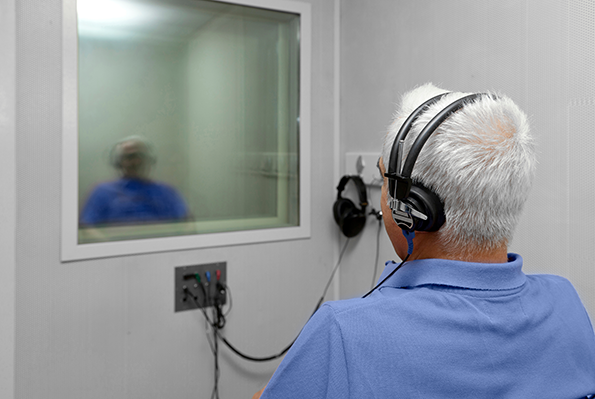
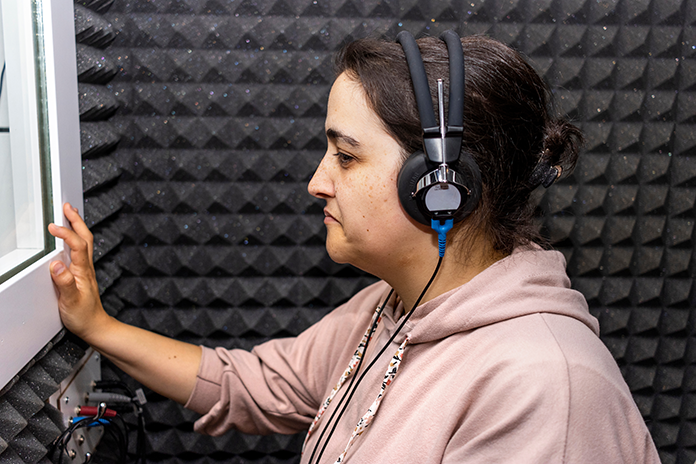
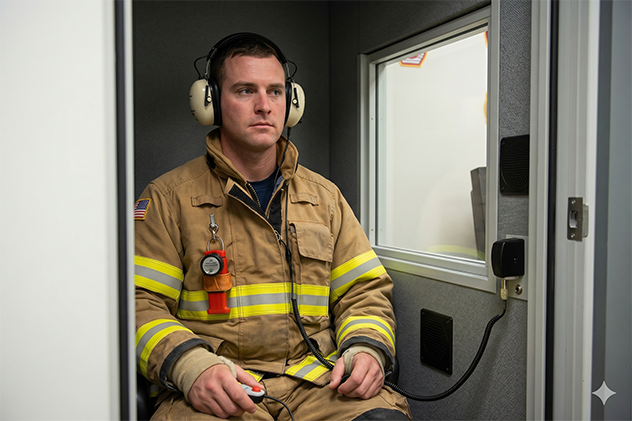
After you finish the basic steps, the real test will begin. You will go into a quiet room that blocks out sound. The audiologist will give you headphones to put on. The audiologist will use tones at different frequencies to check your hearing. Your job is to show what is the lowest volume you can hear at each different frequency. This test is called pure-tone audiometry.
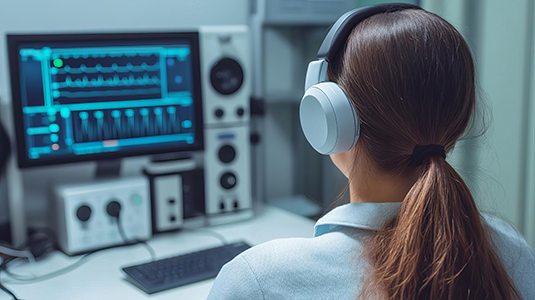
After this, you will do speech testing. In this test, you listen to words said at different volumes. You say back each word that you hear. The clinician uses these results to help make your audiogram. This chart shows what you can hear. Every step in these tests is done to feel smooth. They keep things calm to help you get accurate results.
What to Expect During a Hearing Assessment
Before going for your hearing test, it helps to know what will happen. This can make you feel better and less nervous. A hearing test does not hurt, and the steps are easy to understand. It often takes less than an hour to finish. Here is a simple list of what you can expect during a hearing test.
What to Expect During a Hearing Assessment:
- Initial consultation – The audiologist will talk with you about your medical history. You can share your symptoms and any hearing problems that you have.
- Ear examination – The audiologist will look into your ear canal and at your eardrum. They use an otoscope for this check.
- Hearing threshold test – You will put on headphones. The audiologist will play sounds at different pitches and volumes. You say when you hear each sound.
- Speech recognition test – You will hear words or phrases and repeat them, so the audiologist can see how well you understand speech.
- Tympanometry – This test checks how your eardrum moves and how your middle ear works.
- Bone conduction test – A small device placed behind your ear sends small vibrations. This helps the audiologist check how your inner ear responds.
- Noise testing – At times, the audiologist will do this with background noise. This helps find out how well you can hear when it is noisy.
- Rest periods – There will be short breaks between tests, so you do not feel too tired.
- Immediate feedback – The audiologist may go over the first test results with you right after the tests.
- Q&A session – You can ask any questions you have about the results, treatment options, or next steps during this time.
How to Find a Qualified Audiologist for Your Assessment
To find a good audiologist, you need to look at their experience with hearing health. Check if the audiologist has worked with the types of hearing tests you need, like audiometry or speech audiometry. Talk to people you know, such as your family, and see if your doctor can suggest someone. You can read what other patients say about their visits, to get an idea of their care. Make sure the audiologist will give you a full checkup and follow up with you after, so they can watch over your hearing health from start to finish.
How to schedule a hearing assessment?
To get a hearing test, you have to talk to an audiologist. You can call the office or go to their website to do this. Ask about the days and times that are open. If you have insurance, keep your info with you. This will make setting up your hearing test fast and easy.
How to protect your hearing after the test?
Taking care of your hearing after an assessment is important. It helps you keep your hearing as good as it can be or even make it better.
Follow these steps:
| Protective Measure | Why It Matters |
|---|---|
| Avoid loud environments | Reduces risk of further auditory damage. |
| Use hearing protection | Prevents exposure to hazardous sound levels. |
| Follow audiologist’s plan | Ensures effective treatment and monitoring. |
| Keep device volumes low | Limits strain from prolonged listening. |
| Use over-ear headphones | Minimizes direct canal impact. |
| Clean and dry ears properly | Prevents infection and irritation. |
| Manage wax buildup professionally | Avoids impaction and canal damage. |
| Stay healthy overall | Circulation and nutrition affect hearing. |
| Schedule follow-ups | Tracks changes and updates care plans. |
| Educate others | Spreads awareness of safe hearing habits. |
How often should you get a hearing test?
It is good for adults under 50 to get a hearing test every three years. If you are over 50 or have any hearing issues, you should have a hearing test every year. If you notice something different with your hearing, do not wait. Book a test as soon as you can. This helps you get help now if you need it.
What are signs you need another test?
If you notice a big change in your hearing, hear ringing in your ears often, or find it hard to understand people, it may be best to get another hearing test. You should also have a new test if your hearing changes as you get older or after you are in loud places for some time.