Discover the truth behind the Myths About Adult Hearing Loss. Learn what your doctor may not have told you about sudden loss, stress, and prevention.

Many people think hearing loss only happens to older adults. This is not true. People at any age can get hearing loss. There are many misconceptions about hearing loss and hearing health in the United States and other places. These wrong ideas stop people from getting help.
It is important to know what can cause hearing loss, to notice signs of a problem, and to learn how you can keep your hearing safe. This helps all of us, whether you have hearing loss or you just want to protect your hearing. We need to clear up these myths.
This blog will give you important information about hearing loss. You will learn what to do to keep your hearing health good.
What is adult hearing loss?
Adult hearing loss is when someone starts to not hear as well. This can happen during teen years or any time after that. It is something that affects 1 out of every 6 people in Australia right now. A lot of Australians deal with this every day. By 2050, people say it may go up to 1 in 4. Many people think hearing loss is only found in older adults, but this is not true.
Who can experience adult hearing loss?
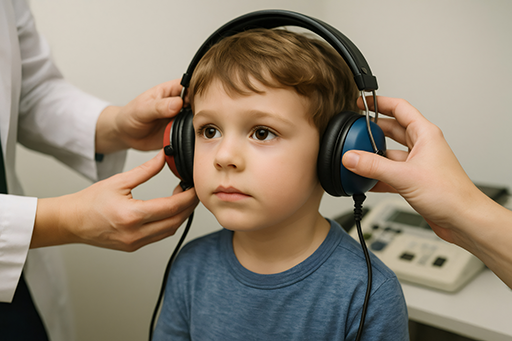
Hearing loss can happen to people at any age. It is not just older people who get it. Both children and young adults can have hearing loss too. So, hearing loss affects everyone, no matter how old you are.
Causes include:
- Genetic factors like having a family history
- Noise exposure from things like concerts or using headphones
- Chronic ear infections
- Ototoxic medications such as some types of antibiotics or drugs used for chemotherapy
As many as half of people between the ages of 12 and 35 may be at risk because they listen to headphones at a loud volume.
Is age the only cause of hearing loss?
No. Age-related hearing loss, also known as presbycusis, is common. But there are other causes of hearing loss too.
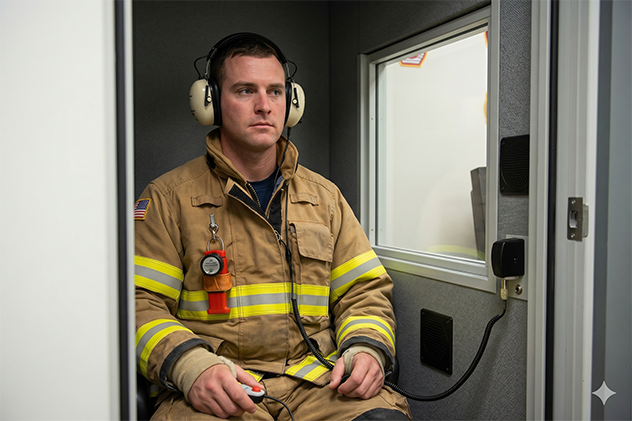
- Workplace noise
- Recreational noise
- Head injuries
- Infections like meningitis
Young adults can be at risk if they are around noise that is over 85 decibels (dB) for a long time. This level of sound can hurt them if they hear it a lot.
Can sudden hearing loss be reversed?
Yes, if you get treatment in the first 72 hours, there is a good chance to help. Sudden hearing loss can sometimes get better with fast care.
- Corticosteroids
- Hyperbaric oxygen therapy
- Prompt audiological assessment
Success rates get better when there is an early diagnosis and treatment.
What types of hearing loss exist?
Hearing loss happens for many reasons. It depends on which part of the ear and the hearing system is having a problem. There are three main types of hearing loss. These are conductive, sensorineural, and mixed hearing loss. Knowing about the different types of hearing loss is important. It helps to pick the best way to treat it and stop it from getting worse.
There are 3 main types:
| Type | Description | Example Cause |
|---|---|---|
| Conductive | Sound blocked in outer/middle ear | Earwax, ear infection |
| Sensorineural | Inner ear or nerve damage | Aging, loud noise |
| Mixed | Combination of both types | Injury with ear infection |
Can stress cause or worsen hearing loss?
Yes. Chronic stress can change the blood flow to the inside of your ear, and that can raise the risk of problems.
- Tinnitus (a ringing in the ears)
- Sound distortion
- Delayed treatment because people often avoid getting help
Long-term stress can make it hard for you to understand speech when there is a lot of noise.
What are signs of stress-related hearing loss?
Stress-related hearing issues often are not noticed right away. Look for:
- You might have trouble hearing in noisy places.
- The ringing in your ear, or tinnitus, might feel worse.
- You can feel frustration or feel like you are cut off from others.
- It can be hard to keep your focus or to concentrate.
Can tinnitus be linked to stress?
Yes, tinnitus can be related to stress. If you feel stress for a long time, the symptoms of tinnitus can get worse. Stress makes the nervous system more sensitive and can change how blood moves to the ear. If you manage stress, it can help lower how bad tinnitus feels.
What is the link between stress and delayed treatment?
Stress may cause avoidance behavior, leading to:
- Symptoms are ignored
- Diagnosis comes late
- Outcomes get worse for hearing aid use or recovery
Managing stress early makes it more likely for treatment to work well.
Can hearing loss impact mental health?
Yes, hearing loss can have a big effect on your mental health. Living many years with hearing impairment can lead to problems with thinking, like cognitive decline. People with hearing loss may feel more depressed or anxious. They might start to pull away from friends and family. Hearing impairment can also make it hard for them to move around or feel independent on their own.
Long-term hearing loss is linked to:
- Cognitive decline
- Depression and anxiety
- Social withdrawal
- Reduced mobility and independence
What symptoms do doctors often miss?
Doctors often miss some small signs of hearing troubles. A person may have trouble hearing things when there is background noise. They might also have a bit of tinnitus that stays for some time. Some people feel tired after talking with others because they must try hard to listen all the time. These are signs that there is stress on your hearing.
Doctors may overlook:
- Having a hard time with background noise
- Mild but ongoing tinnitus
- Staying away from people or feeling tired because listening takes effort
These are signs of stress-related auditory strain.
How do you detect hearing loss early?
Regular hearing tests are very important. They help find early signs, such as:
- Asking people to say things again
- Not understanding what people are saying
- Turning up the TV volume a lot
- Staying away from social events because it is hard to hear, especially when there are soft sounds that you can miss
Can early action prevent hearing loss?
Yes. Prevention strategies include:
- Volume control
- Limiting loud sound exposure
- Smoking cessation
- Using custom-fit earplugs in noisy environments
How can you protect hearing in daily life?
| Method | Action |
|---|---|
| Noise control | Limit exposure above 85 dB |
| Smoking cessation | Improves blood circulation to ear structures |
| Tech-based protection | Use noise-canceling headphones |
| Monitoring volume | Set devices below 60% max volume |
What role does technology play in prevention?
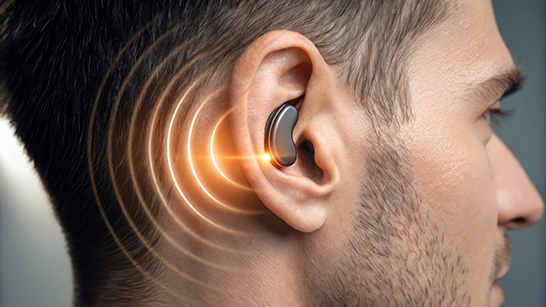
Modern hearing aids and hearing aid technology give you:
- A way to hear things more clearly every day.
- A small device that fits well in your ear and feels light.
- A chance to connect the hearing aids with your phone or TV using wireless features.
- A way to adjust the volume and settings to fit what you need.
- A tool to help you feel more part of what goes on around you.
Modern hearing aids use the latest hearing aid technology to help you stay in touch with people and the world. They make it simple to go about your day. With hearing aids, you can feel good about talking, working, and living your life.
- Advanced noise filtering
- Bluetooth streaming
- Real-time environment adaptation
- Protection for residual hearing
Should you get a hearing test even without symptoms?
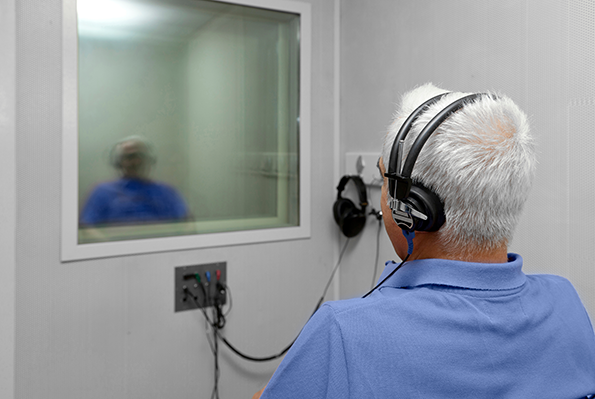
You should have a hearing test even if you do not feel any problems. Hearing loss can start slowly, so you might not notice it right away. Getting regular hearing tests can help find small changes in your hearing before they begin to affect your day-to-day life. When the problem is found early, there is a good chance for timely help. This can slow down or stop more hearing loss. It can also help you keep better communication with others, stay active in social life, and have a good quality of life. For people who are often around loud noises, have family members with hearing loss, or for adults who are over 50, it is very important to get these routine checks.
What happens if you ignore mild hearing loss?
Untreated hearing loss can lead to:
- Social isolation and loneliness
- Mental fatigue
- Delayed language processing
- Increased risk of dementia
Does early intervention improve outcomes?
Yes, getting help early can make a big difference for hearing. If you get treatment in time, it helps you keep the hearing you still have. It can also slow down how fast hearing problems get worse. Devices like hearing aids can help you talk and listen better. Getting early intervention can also help lower the risk of mental health problems linked to hearing loss.
Can Australians access free or low-cost hearing care?
Yes, Australians can get free or low-cost hearing care because the government offers several programs. These include the Australian Hearing Services Program and the NDIS, if you are eligible. Australians also have the option to get a free hearing check at public clinics. All of these programs give support with audiology and help pay for hearing devices.
Government programs such as:
- Australian Hearing Services Program
- NDIS for eligible participants
- Free hearing checks are offered at public clinics
These services give help in audiology and also pay for the device.
What should I do if I suddenly lose my hearing?
If you suddenly lose your hearing, get medical help right away. You should see an audiologist or another healthcare provider within three days. They can find out the cause and start treatment early. Your treatment might include medicine like corticosteroids. Acting fast will help you get your hearing back.
Can stress alone cause hearing loss?
Yes, long-term stress can lead to hearing loss. If you feel stressed for many days, the blood flow to your inner ear can get lower. This can hurt how well the nerves in your ears work. Stress can also start or make conditions like tinnitus worse. If you do not control stress, problems with your hearing can get worse over time, and they are not as easy to treat.
Is hearing loss reversible?
Some types of hearing loss can be fixed, but not all. Conductive hearing loss happens from things like earwax buildup, infections, or fluid in the ear. This type is often treated and can even go away. But sensorineural hearing loss is different. It usually happens from getting older or from too much loud noise. This type will not go back to normal, but there are ways to deal with it. People can use hearing aids or cochlear implants to help. There are different types of hearing loss, and it is good to know which kind you have so you can get the right help.
Are there ways to prevent hearing loss?
Yes, there are several things you can do to help stop hearing loss, especially if you start early. You should protect your ears from loud noise. Try to follow healthy habits in your daily life. It also helps to get regular hearing checks. All of these steps work together for good hearing over the years.
Examples include:
- Stay away from loud noise
- Keep the volume low
- Quit smoking
- Get your hearing checked every year
How can Australians get affordable hearing help?
Booking a yearly hearing check is important. It can help find any problems early and help you take care of your hearing. Australians can get low-cost hearing support at Freedom Hearing Clinics. They can also go to public health services and see government-funded audiologists. These places offer checks, help with treatment, and give hearing aids.
- Freedom Hearing Clinics
- Public health services
- Government-funded audiologists
These services give people screenings, treatments, and hearing aids.