Discover what prescription hearing aids are, how they work, their costs, and why many choose them. Read our blog for an in-depth guide on hearing aids.
Prescription hearing aids are professionally fitted devices designed to treat various levels of hearing loss with precision and support. Unlike over-the-counter options, they are customized based on a hearing test and include advanced features for comfort and clarity. This article explains what they are, how they work, their cost, and the key reasons people choose them.
What are prescription hearing aids?
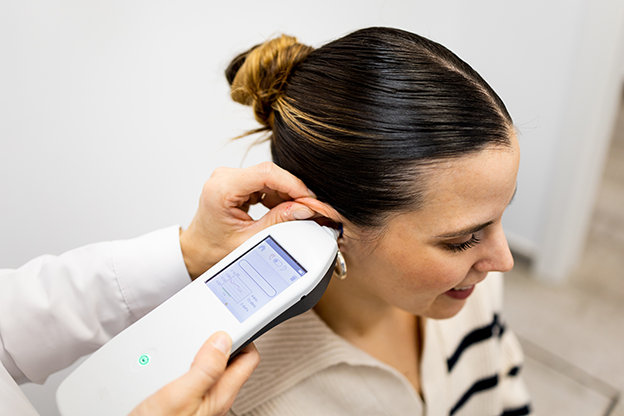
Prescription hearing aids are custom-fit medical devices prescribed by audiologists to treat mild to severe hearing loss. They differ from over-the-counter (OTC) options by requiring a professional hearing aid test and consultation. These devices are tailored using audiometric data to match the user’s exact hearing needs, improving clarity and comfort.
How do prescription hearing aids work?
They use digital sound processing to amplify and adjust specific sound frequencies. Prescription hearing aids analyze ambient noise in real time and personalize output based on the hearing loss profile. Most models are programmable hearing aids and support multiple environment-specific settings, which can be fine-tuned during follow-ups.
What features do modern hearing aids include?
Prescription models often include:
- Bluetooth connectivity (e.g., for phone and TV streaming)
- Rechargeable hearing aids with lithium-ion batteries
- Mobile hearing aid apps for adjustments and updates
- Noise reduction algorithms and directional microphones
These features enhance daily usability and hearing aid performance.
What are the common hearing aid types?
There are 3 primary prescription hearing aid styles, each suitable for different preferences and hearing conditions:
| Style | Description | Best For |
|---|---|---|
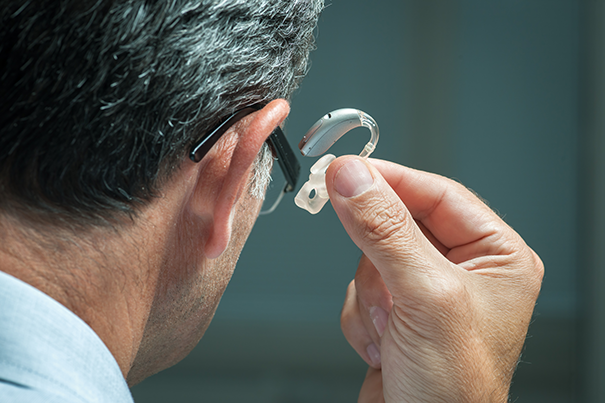
| Behind-the-Ear (BTE) | Rests behind the ear, larger, durable | Severe hearing loss, dexterity |
| In-the-Ear (ITE) | Custom-fit in the ear shell | Moderate hearing loss, visibility |
| Completely-in-Canal (CIC) | Nearly invisible, inserted deep in the canal | Mild hearing loss, discretion |
Discreet hearing aids are preferred for appearance, while senior hearing aids focus on ease of handling.
What do prescription hearing aids cost?
Prescription hearing aid prices range from $1,000 to $6,000 per device.
Cost depends on:
- Brand and model
- Advanced hearing aid technology
- Inclusion of accessories (e.g., hearing aid batteries, remote mics)
- Warranty coverage and service terms
Some clinics provide hearing aid insurance, trial periods, and return policies.
Why do people choose prescription hearing aids?
Users prefer prescription hearing aids for their precision, support, and adaptability.
Benefits include:
- Professional hearing aid fitting
- Ongoing hearing aid adjustments
- Access to audiologist hearing aids expertise
- Stronger hearing aid support network
Compared to OTC options, prescription models reduce the risk of hearing aid side effects and improve outcomes for complex hearing needs.
What do users say?
Hearing aid reviews highlight:
- Improved communication
- More natural sound quality
- Better hearing aid user experience
What makes them different from OTC hearing aids?
Prescription vs OTC hearing aids differ in personalization and care.
While OTC hearing aids offer basic amplification, prescription models include:
- Custom programming
- Hearing aid consultation
- Follow-up service and adjustments
These differences explain why many users choose professionally guided solutions over generic options.loss and access to advanced tools.