Curious about how do audiologists choose the right hearing test for a child? Discover tested tools and expert methods tailored for age and development.
Early hearing screening is very important. It helps you know if there are any hearing issues for your child. If hearing problems are not found early, it can slow down the way a child learns to talk and learn in school. A child needs good hearing to have good language skills. An audiologist will use hearing screening so they can find and help with any problems right away. A hearing check is not just a medical test. It is something that helps your child grow, learn, and feel good. But, how do they pick the right way to test your child’s hearing? Here, you can read about the tools and methods the experts use to find what works best.
Understanding Childhood Hearing Loss in Australia
In Australia, hearing loss in children is a big problem. It can change the way kids talk and learn words. You will see that early tests for hearing are important. These tests can help find any hearing loss fast. With the right tests, kids can get help quickly. That way, they have a better chance to learn and grow well.
Australian babies have their ears checked only a few days after they are born. This means that the country cares about finding hearing issues early. The Australian Government Hearing Services helps with this. Families can get hearing tests at lower costs, so everyone can get hearing care across the country.
Common signs of hearing difficulties in children
Spotting hearing issues early can really help the growth and learning of younger children. You may see some signs of hearing problems in younger children that tell you to look out for them.
- The child may have trouble hearing loud sounds or might not react to them at all.
- Slow language development or speech that is not clear.
- They may often ask you to say things again or ask you to repeat what you said.
- They can have problems following what you say or may find school hard.
For toddlers, if they do not answer you when you call their name or seem to ignore other sounds in the room, along with slow language development, it could be something to notice. If a preschool child looks confused in places with noise, or can not tell changes in people’s voices, this can be a sign of hearing issues.
When you notice these signs, it is best to do something quickly. A hearing test can help your child. This will help them be better at talking, listening, and doing well in school.
Importance of early detection for child development
Early hearing tests are key for finding out if young children have hearing problems. These tests can show if a child needs any support. Getting this help early makes it easier for a child to have good language development.
If no one knows about a child’s hearing problems, the child could have trouble thinking, making friends, or doing well in class. If your child cannot hear well in the classroom and never gets tested, you might not even know there is an issue.
When hearing issues are found early, audiologists can help right away. They check what each child needs and then make a care plan for them. This help makes the child’s daily life better. It also gives them a better chance to learn and talk with other people.
The Role of the Audiologist in Assessing Children
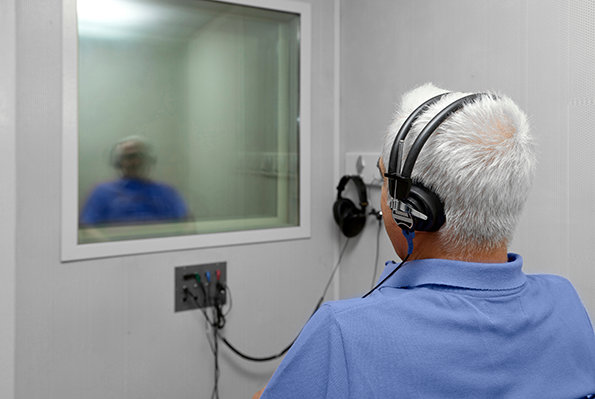
Audiologists are there to help with your child’s hearing evaluation. They make sure the tests fit your child’s age and needs. The checks they do can be simple. One example is when they observe how your child acts with sound. They also use advanced tests like the auditory brainstem response, or ABR, to get more information about your child’s hearing.
Many parents want to find paediatric audiologists because these experts know a lot about hearing loss in children. They can check both the degree and type of hearing loss your child may have. This lets them choose the best way to help your child. If you know more about what tools and steps these audiologists use, you can better understand how they work.
Qualifications and expertise of paediatric audiologists
Paediatric audiologists are the ones who help check hearing for younger children. They are healthcare providers with high-level degrees in audiology. They know a lot about how the ears of children work. They also use special audiometry tests that are made just for kids.
They do more than just look for hearing issues. They talk well with children and their families. They take time to explain every test in a way that is calm and easy to get. This helps parents and kids feel at ease. You can see that they care for your child and want them to feel safe.
These experts have many years of experience with tests like pure tone audiometry and tympanometry. They know how to adjust audiometry and these tests to fit every child. They make sure each child gets care that is good and meets their needs. Their work uses science and care together, and this helps them stand out from others.
How audiologists tailor assessments to each child
Each child is not the same, so audiologists use different hearing tests for each one. Do you want to know how they do it? They start by looking at your child’s skills and actions. They also see if your child has any special needs. After this, they decide on the best way to test your child’s hearing.
With babies, audiologists often use tests like OAE or ABR. These tests check the baby’s hearing. The child does not have to do anything for these tests. For older children, doctors use other tests. The older child may have things like a puppet or a toy to get them to take part.
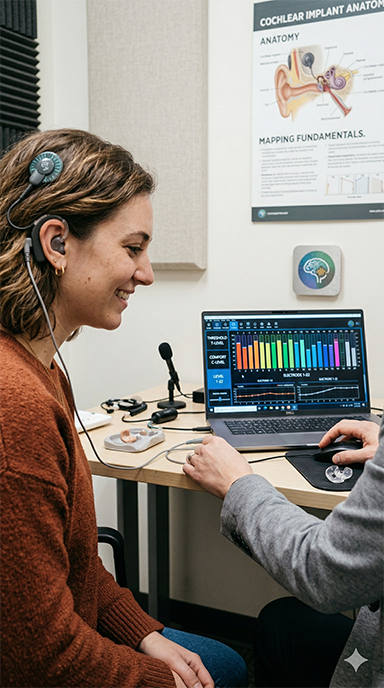
These ways of testing help to see that every child gets a good check. The test results let audiologists know what steps to take next. Sometimes, this can mean a child just needs small fixes. Other times, the child may need more help, such as cochlear implants or extra testing.
Factors Influencing the Choice of Hearing Tests
To pick the best hearing evaluation, you have to look at the child’s needs. The age and development of the child can change what test you choose. Older kids can often have a hearing evaluation that uses behavioral observation. But, babies many times need objective tests like ABR for this.
The child’s medical history matters a lot. For example, if the doctor thinks the child might get middle ear infections, or if autism is there, the audiologist will pick some types of hearing tests instead of other ones. Let’s look at these points more closely.
Age and developmental stage considerations
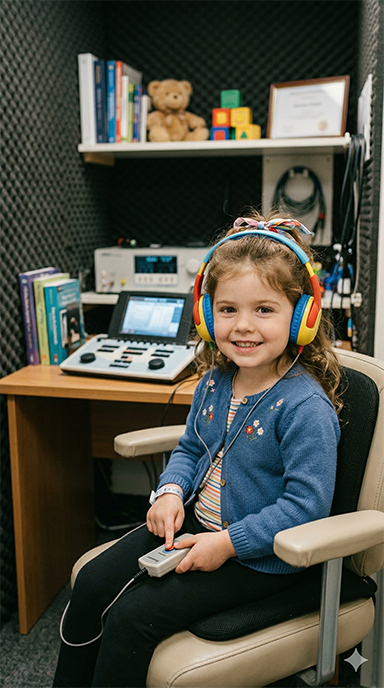
The link between a child’s age and the right hearing tests is very important for an accurate check. Audiologists often use pure tone audiometry for kids who are over three years of age. They add fun things to the test. This helps kids stay interested. For younger children, playful ways are used, such as puppet play audiometry. This makes it easier for them to stay focused and do the test well.
When it comes to babies, they often have OAE tests. This test checks how the ears work. The child does not have to answer or talk for OAE tests. Some tests, like ABR, are done when the child is very quiet or even sleeping. These tests help us see how the brain reacts to sound.
When audiologists think about where a child is in their development, they can make the tests right for each child. This helps give better care to kids. It also makes sure that every child gets the help they need and that it fits them best.
Medical history and risk factors unique to the child
A full medical history is needed for the best hearing test. Many things help the audiologist decide how to check your hearing, like:
- Recurring middle ear infections can happen. This can lead to the audiologist doing tympanometry to check how well the eardrum moves.
- If someone has been exposed to things like congenital cytomegalovirus (CMV), they might need other special tests that are more objective.
- For people who have autism spectrum disorders, the audiologist might pick tests like ABR. These tests need little body movement or answers from the person.
- Sometimes, an ENT gives a referral. This happens when they think something could be wrong in the body or with how things work inside.
These risk factors help the audiologist know what to do for each person. The audiologist can make a plan that fits you best and give good answers for hearing.
Types of Hearing Tests Used for Children
There are two main types of tests that people use to check children’s hearing. These are called behavioral hearing tests and objective hearing tests. In a behavioral test, the audiologist will watch the child’s actions. They want to see how the child reacts. For example, during play audiometry, the child might turn their head when they hear a sound. In objective tests like OAE, the audiologist does not need any action from the child. These tests check the body’s response or use numbers to show if there is a problem with hearing.
The audiologist will choose the test that is best for your child. This way, your child will feel good and the results will be better. The test will also be safe and keep your child interested the whole time. Here are some main examples for each type.
Behavioural observation and play audiometry
In audiology, people often check the hearing of younger children by using behavioural observation and play audiometry. These ways make the room feel nice and friendly for a child. They help make it easier to look at a child’s hearing without the usual feel of tough tests. Play audiometry uses simple games that are fun. This can help audiologists see the child’s hearing.
By looking at how the child acts when there are sounds, behavioural observation helps those testing see the child’s hearing skills, too. These methods work with many types of hearing loss. They also match each child’s way of growing up. This puts a child’s needs at the center. It helps everyone work for correct test results and help them pick the right next steps for the child’s hearing.
Objective tests: OAE, tympanometry, and ABR
Objective tests are very important for younger children or people who can’t take part in tests themselves. Tools like OAE, tympanometry, and ABR help us see how the ear and brain work. These tests look at what happens in the body and show if there is a problem.
Here’s what each tool does:
| Test | Purpose |
|---|---|
| OAE | Measures otoacoustic emissions from the inner ear using a probe device. |
| Tympanometry | Assesses middle ear pressure and ear drum movement through air feedback. |
| ABR | Uses electrodes to record brain responses to sound, ideal for infants. |
During these tests, audiologists do not rely on what people feel or report. Instead, they look at the body’s reactions. This method helps make sure the results are correct. It also helps find problems early.
At what age should my child have their first hearing test?
Your child will have a hearing screening soon after birth, often in the first 3 days of life. As your child grows, there are more checks, mainly if they show signs of hearing issues. When they reach certain years of age, regular hearing tests help us see how their hearing is over time. It is a good idea to talk with your audiologist, who can give advice that fits your child’s age.
What happens if my child cannot cooperate with the test?
If it is hard to work together, the audiologists will use objective tests like ABR or otoacoustic emissions. These tests give good results and do not need any answer from your child. At this time, behavioral observation is also used. It is made to fit the child’s needs. All of these ways put comfort first.
Are hearing tests safe and comfortable for babies?
Yes, hearing tests for babies, such as OAE and tympanometry, are safe and will not cause pain. These tests use small probes and electrodes to check the middle ear. The tests do not hurt babies at all. They are made to be safe and will give you good results. This way, you can find out if your baby has any hearing problems. Your baby will not feel bad during the process.
How are results communicated to parents?
The healthcare provider talks with parents about the test results in a way that is easy to understand. They use charts or graphs to show what the test results mean. The provider also explains what the next steps are after the hearing evaluation. This helps parents know what to do next and lets them feel sure about the next steps for their child.
What should I do if my child is diagnosed with hearing loss?
If an audiologist says that your child has hearing loss, they may talk to you about a few things. They might suggest hearing aids or cochlear implants for your child. The audiologist could also give a referral to see an ENT. Each of these things helps in its own way, so your child can get the support that suits them best. Taking quick action can help your child grow and do well every day.