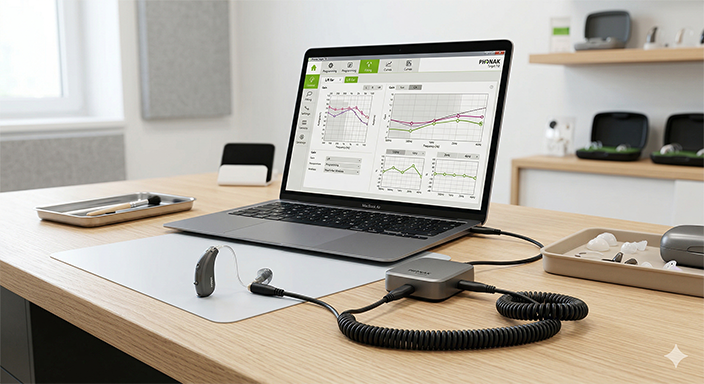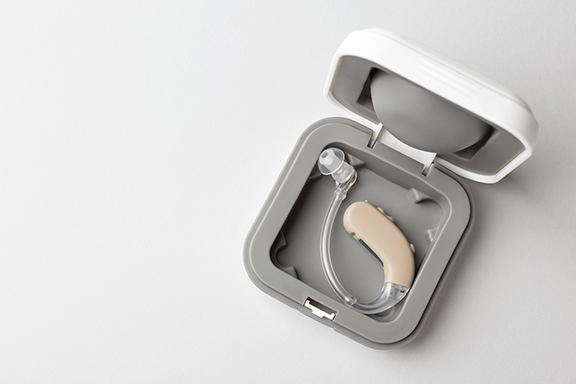
Discover why is hearing testing critical for firefighters. Ensure safety and health in the workplace by understanding the importance of regular hearing assessments.
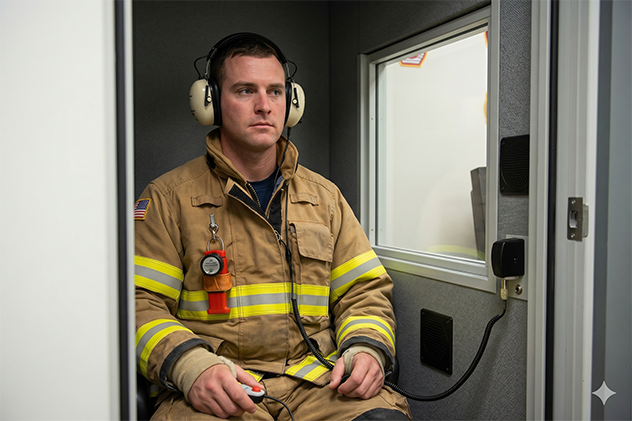
Firefighters have to put up with a lot of occupational noise while they work. The sound comes from things like alarms, sirens, and big loud machines. All this noise can lead to hearing loss as time goes on. Taking care of their ears is really important because it keeps them safe and helps them do their job well. Many of their tasks make them work in noisy places almost every day. This is why it is important to give them hearing tests and make sure they use hearing protection. The main plan is to protect firefighters from lasting problems with their hearing. But what are the things that put their ears at risk, and how can they stay away from these problems?
The Unique Hearing Risks Faced by Firefighters in Australia
Professional firefighters in Australia deal with high noise levels almost every day. They spend a lot of time in the firehouse and out on calls. This means they have much noise exposure from many things. Sirens, alarms, and big machines are loud while they work. All these sounds make it hard on their ears, and put their hearing at risk.
There are some studies that show the use of hearing protection by firefighters is still not good enough, even when there are rules to follow. A lot of people working in the fire service in Australia may get hearing loss. This is because they do not always use hearing protection devices. To help with this, the fire service needs to keep safety steps in mind. It is also very important to find better ways to prevent harm from noise exposure and to use better hearing protection for all firefighters.
Common Sources of Noise Exposure on the Job
Loud machines and tools are the main things that make noise for firefighters. Chainsaws, which they use for things like letting out air or moving debris, can make noise levels over 100 decibels. This level of noise can hurt hearing right away. Hydraulic tools, which are needed for rescues at car crashes, make even more noise. This all adds up and gives firefighters a higher risk of hearing loss because of too much noise exposure.
Fire trucks with jet engines or large pumps make more occupational noise. This is true when teams do their work at an emergency. When people are to be near this loud noise for a long time, it can slowly hurt the cells inside the ear. After years of this, people can have hearing loss from noise, called NIHL.
Environmental noise in fire stations is also a problem. A lot of things like alarms, fans, compressors, and exhaust fans make it worse. If firefighters do not use hearing protection, being near these loud noises every day can add up. All this noise can be tough on their hearing over time. The first thing that firefighters can do to fight hearing loss is to know these different noise sources.
Impact of Sudden Alarms and Sirens
The sudden loud noise from sirens and alarms is a risk for firefighters while they work. Sirens can be louder than safe dB levels. Most of the time, they go up to about 110 to 120 dB. Sounds this loud can make people feel bad right away. If they hear it a lot over time, it may cause damage that can not be fixed.
People found that many firefighters can get hearing loss, often in the left ear. This could be because the left ear is usually nearer to the sirens in fire trucks. Being close to this loud noise can also make the chance of getting tinnitus higher. Tinnitus is when you hear ringing or buzzing in the ears. It can change how good life feels for people.
The loud noise from alarms can be a real problem for firefighters. These sounds are there to get everyone’s attention. But they can make it hard for the team to talk to each other or work well together. This is even tougher during fast emergency jobs. The right hearing protection can help lower this risk. It can also help keep the team safe from ear damage after many years in the job. Still, there could be other things that may affect their safety and the way they do their job.
How Hearing Loss Impacts Firefighter Safety and Performance
For firefighters, hearing loss can make their job much harder, especially in an emergency. If they do not hear well, they might miss safety alerts or not follow directions. This can put their occupational safety and their team at risk.
When someone does not hear background noise or warning sounds near them, it can cause a delay in how fast they act. This delay can put lives at risk. That is why it is important for everyone to follow the rules for protecting their hearing. Firefighters need to listen well to background noise. They must move quickly and keep their job performance high, even when they feel a lot of pressure.
Communication Challenges During Emergencies
Clear communication is key for success when emergency responders work. But, background noise and hearing impairment can make it hard for firefighters and first responders to share and get the right information. For example, when there are loud alarms or big machines, they may not hear commands well on the radio.
When things get busy, distorted hearing makes people take more time to choose what to do. It can also mean they do not get instructions the right way. This can make rescue work more risky for them. Firefighters who work in places with high noise levels for a long time often say it gets hard to keep talking clear. Their hearing gets tired, so they feel it is harder to work with others.
To fix these problems, firefighters should use better hearing protection and new ways to talk to each other. Tools that block out background noise and let everyone hear speech clearly can really help. This will make it easier for them to get past hearing troubles, help people faster, and save more lives.
Reduced Ability to Detect Environmental Hazards
Firefighters who do not get help for hearing damage may not hear things like cars coming or feel walls are about to fall down. If they begin to lose their hearing, the risk of hearing loss goes up. This can put them in even more danger while they are at work.
If they do not hear quiet alarms or any warning sounds from other people, the chance that someone will get hurt will go up. When they only use what they see, it can slow down how fast they react. This can put them and the rest of the team in danger, and it can also cause trouble for the whole mission.
It is very important for firefighters to take proactive steps. Doing hearing tests often and using advanced hearing protection devices helps a lot. If they can lower their exposure to loud noise levels, they will be better at finding dangers early. This lets them act fast when needed. Using hearing protection keeps them safe in their work.
The Prevalence of Hearing Loss Among Australian Firefighters
Studies of firefighters in Australia show that many of them have hearing loss. This kind of hearing loss is caused by loud sounds at work, called occupational noise. The research says long-term use of things like sirens and machines, which make high frequencies, can hurt hearing. NIHL is common in firefighters because their jobs have them around these loud noises all the time.
When you look at firefighters who have hearing loss and compare them to a control group, you can see clear differences in how they hear. This shows that firefighters face bigger risks every day. These studies of firefighters say we need better rules and steps to keep people safe from hearing loss. One way to help is by protecting workers from occupational noise, like sirens and other sounds with high frequencies.
Research Findings on Occupational Hearing Loss
| Authors and Year | Key Findings |
|---|---|
| Chung IS (2012) | Noise levels between 76–79 dB (A) cause people to lose hearing, mostly at high frequencies. |
| Rocha RL (2010) | Audiometry tests show firefighters who are 40-49 years old often have hearing damage. |
| Sousa NC (2009) | Urban noise hurts the hearing health of firefighters a lot. |
In recent years, people have done more studies about firefighters and hearing loss. These studies show that noise exposure and occupational noise are bad for high-frequency hearing. The research says people who stay around loud noise or high sound pressure get hearing loss. The hearing problems come from the noise levels they face at work.
Short-term audiometry tests show that drivers of big emergency vehicles can get hearing loss. These tests say the drivers often have hearing loss because of noise exposure at work. It shows that loud noises in the workplace can affect people fast. This information means Australia has to do more to handle loud noises in the workplace. A plan or new way to manage environmental noise is needed to deal with this problem.
Age and Experience Factors in Hearing Decline
Over time, many firefighters can have hearing loss. This is because they are around loud sounds at work, and also because they get older. Studies show that firefighters who have been in this job for more than twenty years have a higher chance to get hearing loss. This is because they are exposed to noise for a long time.
When they have regular medical check-ups, they find that loud and high-pitched sounds hurt older firefighters more. If you look at new and experienced firefighters, the older ones or the ones who have been doing the job for more years have more hearing damage. This is worse the longer they have worked as firefighters.
Because of what experts know, it is a good idea to get early audiometric testing if you work as a firefighter. Doing this and using better hearing protection plans can help lower the risk people face in this job over a long time. If conservation programs for hearing are updated, and they fit both how old someone is and their work experience, they can work well for everyone. These steps help people keep their hearing strong and healthy.
Regulatory Standards for Hearing in Australian Fire Services
Australian fire departments have strict rules for noise exposure to keep people safe at work. These rules set safe noise limits for firefighters. They also call for audiometric testing. This helps firefighters avoid harm from being in loud places on the job for a long time.
But right now, there are still some gaps in how these rules are used. Some departments do not fully use or update the safeguards. To fix this, the policies need to be updated. This will help, so Australia’s noise exposure rules can match the best global ways. By doing this, we help protect firefighter safety. It will also make sure they follow today’s NIOSH and NFPA standards for occupational safety and audiometric testing.
National and State-Level Requirements
The National Institute for Occupational Safety and Health (NIOSH) and OSHA say that a safe noise level at work is 85 dB(A). These groups care about occupational safety. Australian standards also follow advice from them to help lower the risks from loud noise in the workplace.
State rules say that staff who are around noise exposure need to have regular audiometric testing and health checks. This helps to find hearing impairment early. These checks also help with the use of conservation programs for better long-term hearing.
When you see what the NFPA says, it shows that groups in Australia need to focus more on hearing protection. They also have to make sure people follow the rules well. This is important, so firefighters do not get hearing damage from being around loud noise for a long time. Good hearing protection and following rules help with occupational safety. This keeps the firefighters safe from noise exposure and other risks.
Comparing Australian Standards to Global Best Practices
Many top countries, like the United States and the United Kingdom, have made clear rules to deal with occupational noise at work. In the United States, NIOSH sets strong hearing protection steps. They make sure people have special equipment that fits each one. Workers also get regular health checks to watch for hearing problems.
If you look at Australia, you can see that their rules are more basic. They use what most other places do and do not always keep up with the new ideas that global leaders use. To catch up, Australia could start using better protective gear, like what the UK has. They could also use more detailed ways to measure noise exposure, like the United States does.
By making these national rules the same as what top countries have, there would be something good for firefighters and emergency responders. They will get better safety for their hearing and a better place to work in. This will help stop hearing loss and also give the right protection to the people who go out to help us in emergencies.
Hearing Testing Protocols for Firefighters
Doing regular hearing tests, such as audiometry, is important to protect firefighter hearing in Australia. These tests help to spot early signs of NIHL. They also help to make sure people are able to do their jobs well.
Adding these checks to a comprehensive occupational medical program helps to track and hold people responsible for their health as time goes on. When you put these tests together with the best ways to work, teams can face issues that are special to emergency responders in a better way. But what tests do they use?
Types of Hearing Tests Used
Audiometric testing is the main way to find hearing impairment that can affect firefighters. This test checks how well they can hear different sounds, both high and low. It helps find the exact areas where hearing harm starts because of loud sounds over time.
There are special tests, such as distortion product otoacoustic emissions (DPOAE), that give more details about the early signs of ear damage. These tests can find small changes that basic audiometry may not catch. This way, firefighters get better checks for their hearing.
Recommended by experts in hearing at work, these ways help fire departments set up conservation programs that give firefighters what they need most. Taking care of hearing is not just about spotting problems. It needs a good plan and some thinking ahead to keep firefighters safe.
Recommended Frequency and Timing of Assessments
Annual medical exams that include audiometry are important for fire departments. They help check how well firefighters can hear. Conservation programs say these tests should be done regularly. This is extra important for people in the fire department who are near loud noises many times.
The fire department also gives hearing tests after long shifts. This helps find any quick changes in hearing that may come from sudden noise exposure. These checks help leaders know how things are going. They make sure everyone follows the right steps to stay safe.
Setting up a regular testing schedule can help teams spot problems early. This is good for making full medical plans at work. When firefighters get updates on their hearing often, they can be better protected from long-term hearing loss.
Prevention and Protection Strategies
Reducing the risks that come from loud noise takes more than one step. You need the use of hearing protection and you also need to know how to stop the issues before they happen. Many fire departments in the world use hearing protection devices while they work. This helps keep everyone safe. Using hearing protection is important for the job.
There are some programs that help with the work growth of firefighters. These programs aim to improve the attitudes of firefighters about joining conservation programs. When you use these safety steps together, they do more than just handle the first signs of risk. They also help keep the hearing health of emergency responders good for a long time.
Use of Personal Protective Equipment (PPE)
Using personal protective equipment (PPE) is very important for firefighters. It helps keep them safe from high noise levels they face at work. Firefighters often use hearing protection, such as earplugs and earmuffs, to help stop hearing loss. These hearing protection devices help block out loud noises from sirens, chainsaws, and hydraulic tools. When they use hearing protection and feel good about it, they can do their jobs better and have better hearing over time. Using hearing protection is an important part of occupational safety for them. It reduces the risk of hearing loss and helps keep their ears safe at work.
Education and Training for Hearing Conservation
Letting people know about the dangers at work and how noise can hurt hearing makes programs to stop these problems work better. Training teaches people how to put on hearing protection devices the right way, how to deal with too much noise, and what the risks of tinnitus are.
When the fire departments use these setups, the firefighters begin to think and work in a new way. They say they know more and deal with less noise when they are in risky places. When there are extra workshops, people learn together as they take part. These workshops can be changed to meet what the team needs.
Mixing hearing conservation education with other safety rules helps build a strong team. It gives people the tools they need to deal with occupational noise and other risks with more confidence.
Why is annual hearing testing required for firefighters in Australia?
Getting your hearing checked every year is important. You can find hearing loss early this way and see if there are any dangers at work. Regular medical check-ups can help spot changes caused by noise exposure. This helps fire departments plan safety steps the right way to protect your hearing and help you do your job well. These actions keep your hearing health safe, can help with job performance, and help deal with occupational safety and noise exposure at work.
What are the early warning signs of hearing loss?
Early signs of hearing problems can be easy to miss. You may find it hard to hear people talk when there is background noise. Some people get a ringing in their ears, called tinnitus, that will not go away. Over time, there can be a slow loss of hearing, or hearing impairment. These signs often show up after you have been around occupational noise for some time. If you think something is wrong, you should see a professional for a hearing test. This will help find out if you have a problem, stop more damage, and make a plan for treatment.
Can hearing loss be reversed or treated for firefighters?
Firefighters can get hearing loss that stays with them. This can happen if there is too much noise exposure over time. The hair cells of your inner ear get hurt from these loud sounds. Once these hair cells are gone, they do not grow back. Hearing aids can help people hear better, but they do not fix the problem.
To help stop more damage, it is very important to use hearing protection. Firefighters should also take part in conservation programs. These steps are needed so firefighters can keep from getting more hearing loss. This helps protect their hearing now and in the future.
What should a firefighter do if they suspect hearing problems?
Firefighters who see they have trouble hearing need to get audiometric testing during a medical examination as soon as they can. When they find out what is going on, they can use hearing protection devices. They should also talk with their fire department about ways to protect their hearing. Acting fast can help stop the problem from getting worse. Hearing protection, the fire department, and firefighters all have an important part in making sure the issue does not take over.
Are there government support programs for affected firefighters?
In Australia, the government has set up some conservation programs to help firefighters who have hearing impairment. With these programs, people can get better protective gear and regular hearing tests. If you want to know more about this help, you can get in touch with the fire department. They can give you details about what is there for your needs.