Discover the early signs you need a hearing check-up. Ringing silence at night may indicate irreversible damage. Learn more in our latest blog!

Have you ever felt like you’re missing parts of a conversation, or noticed a faint ringing when the house is quiet? Hearing loss often creeps in so slowly that you might not notice it until it starts affecting your daily interactions. These early signs are your body’s way of telling you it’s time for a hearing check. Taking proactive steps to protect your hearing is one of the best things you can do for your long-term wellness and overall quality of life.
Recognizing the Earliest Signs You Need a Hearing Check-Up
The first indications of a hearing problem are often easy to dismiss. You might blame background noise or think other people are mumbling. However, these small frustrations are frequently the earliest signs of hearing loss and shouldn’t be ignored.
Paying attention to these clues is the first step toward protecting your hearing health. Are you finding it harder to follow conversations or constantly asking “what?” Recognizing these patterns is a signal that it’s a good time to schedule a hearing test and get a clear picture of what’s going on.
Subtle Everyday Clues You Might Be Missing
Some of the most telling symptoms of hearing loss are so subtle they can blend into your daily life. You may not realize that your brain is working overtime to compensate for sounds you no longer hear clearly. These hearing issues can appear in ways you might not expect.
For example, do you miss soft sounds like a quiet whisper or the rustling of leaves? This can be an early sign that your ability to pick up high-frequency noises is declining. Another common clue is finding yourself turning up the volume on the television or radio to a level that others find too loud.
These small changes in your daily life often point toward a bigger issue. Some of the most common hidden symptoms include:
- Finding that voices on the phone sound muffled or distant.
- Feeling mentally drained after social gatherings from the effort of listening.
- Noticing you don’t hear common household sounds like a faucet dripping.
Difficulty Hearing Conversations—Especially in Groups
Do you find yourself getting lost in conversations at a busy restaurant or during family dinners? Struggling to follow along in noisy environments is one of the most common complaints for people with early hearing loss. When there’s a lot of background noise, your brain has a harder time filtering out speech sounds, making it difficult to keep up.
This can be incredibly frustrating and even embarrassing, causing some people to withdraw from social events altogether. You might find yourself just nodding along, having missed half of what was said. This not only affects your relationships but can also lead to feelings of isolation.
If you consistently have trouble hearing in noisy places, it’s a clear sign that you should consider a hearing check-up. Addressing the issue early can make a huge difference in your ability to connect with others and maintain your quality of life.
Common Misunderstandings that Signal Hearing Changes
Frequent misunderstandings in conversation are more than just simple slip-ups; they can be a key indicator of a hearing problem. If you often misinterpret what someone says, it might not be that they’re speaking unclearly. It could be that your ears are no longer catching certain speech sounds.
These communication breakdowns happen when your brain tries to fill in the gaps for words you didn’t quite hear, sometimes with the wrong information. Paying attention to these mix-ups can help you identify the signs of hearing loss before they become more serious.
Frequently Asking People to Repeat Themselves
If “what did you say?” has become your catchphrase, it’s time to pay attention. Constantly asking people to repeat what they’ve said, even when you’re in a quiet room, is one of the classic signs of hearing loss. It suggests that your ears are having trouble processing speech clearly.
This issue is often one of the first things people notice when their hearing begins to change. While it might seem like a minor annoyance, it’s a symptom of underlying hearing issues that can worsen over time. Even a mild hearing loss can make it difficult to follow conversations without extra effort.
Don’t just brush it off as a bad habit. If you consistently need clarification in your conversations, it’s a strong signal that you could benefit from a professional hearing assessment. Getting it checked out is the best way to understand the cause and explore your options.
Trouble Distinguishing Words on the Phone or TV
Are phone conversations becoming more difficult? When you talk on the phone, you can’t rely on lip reading or facial expressions to help you understand what’s being said. If voices sound muffled or you have trouble hearing over even a little bit of line noise, it could be a sign of hearing loss.
Similarly, if your family is always complaining that the TV is too loud, that’s another red flag. When the volume sounds perfectly normal to you but is blasting for everyone else in the room, it strongly suggests your hearing has declined. You’re turning it up to compensate for the speech sounds you’re missing.
These situations can be frustrating and strain your relationships and quality of life. Instead of getting into another argument over the remote, consider that it might be time for a hearing test.
The Significance of Ringing or Silence at Night
When the world goes quiet at night, do you notice a persistent ringing, buzzing, or hissing sound in your ears? This phenomenon is known as tinnitus, and it’s often a sign that something is wrong with your hearing health. It’s frequently linked to damage in the inner ear.
This ringing in the ears is not just an annoyance; it’s a symptom that warrants attention. In many cases, it is one of the earliest signs of hearing loss. If you experience this, it’s a good idea to schedule a hearing check to determine the cause and prevent further damage.
Understanding Tinnitus and Its Implications
Tinnitus is the perception of sound when no external noise is present. It’s not a condition itself but rather a symptom of an underlying issue, most commonly hearing loss. The ringing in the ears you experience is often caused by damage to the tiny hair cells in your inner ear, or cochlea.
These cells are responsible for converting sound vibrations into electrical signals for your brain. When they are damaged, they can send faulty signals, which your brain interprets as sound. This is why many people with hearing loss also experience tinnitus.
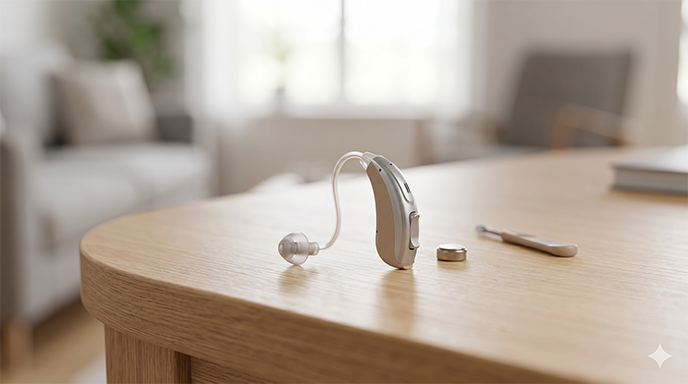
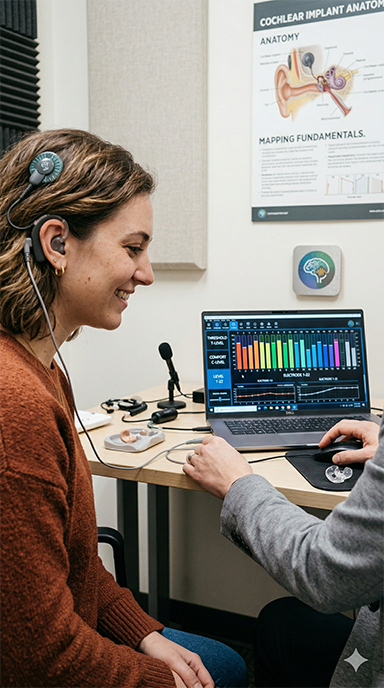
While there is no cure for tinnitus, managing it often starts with addressing the related hearing loss. A hearing check can determine if your tinnitus is linked to a hearing problem. In some cases, hearing aids can help by amplifying external sounds, which can make the tinnitus less noticeable. For profound loss, cochlear implants may be an option.
What Sudden Quietness Can Reveal About Irreversible Hearing Damage
While tinnitus involves hearing a sound that isn’t there, a sudden absence of sound can be just as alarming. If you experience a sudden drop in hearing, muffled sounds, or a feeling of fullness in one or both ears, especially at night, it could be a sign of sudden hearing loss.
This condition should be treated as a medical emergency. Unlike gradual, age-related hearing loss, sudden hearing loss can happen quickly over a few hours or days. The cause is often unknown, but prompt medical attention is critical to improving the chances of recovery.
If you notice any sudden changes in your hearing, don’t wait to see if it gets better on its own. Seeking a professional hearing assessment immediately is the best course of action. A quick hearing test can help diagnose the problem and determine if you need urgent care to prevent irreversible hearing damage.
What to Expect When You Go for a Hearing Check-Up in Australia
If you’ve decided it’s time for a hearing check, you might be wondering what the process involves. A professional hearing assessment is a simple, quick, and non-invasive procedure designed to evaluate your ability to hear. Many providers offer a free hearing check to get you started.
An audiologist will guide you through the appointment, which typically takes less than 30 minutes. They will assess your hearing health and discuss the results with you right away, providing clear next steps if a hearing loss is detected. It’s an easy first step to taking control of your hearing services.
How Hearing Tests Work and What They Assess
A comprehensive hearing test is designed to measure your hearing levels at different pitches and volumes. The process usually involves a few different components. First, the audiologist will look inside your outer ear to ensure there are no blockages. Then, you’ll sit in a quiet room with headphones on for the main tests.
The two primary tests are pure-tone testing, where you signal when you hear beeps at various frequencies, and speech testing, which assesses how well you understand spoken words. The results are plotted on a chart called an audiogram, which gives a detailed picture of your hearing ability. This helps determine the degree and type of hearing loss, which is essential for preserving your quality of life.
| Level of Hearing Loss | Decibel Range (dB) | What You Might Notice |
|---|---|---|
| Normal hearing | 0–25 dB | You can hear soft sounds like breathing and leaves rustling. |
| Mild hearing loss | 26–40 dB | You may miss quiet conversations or whispers, especially in noise. |
| Moderate hearing loss | 41–55 dB | You often ask people to repeat themselves. |
| Moderately severe loss | 56–70 dB | You struggle with group conversations and TV at normal volume. |
| Severe hearing loss | 71–90 dB | You might only catch loud sounds like vacuum cleaners or shouting. |
| Profound hearing loss | 91+ dB | You mostly rely on lip reading or sign language. |
How Often Should Adults Get Their Hearing Checked?
Regular hearing tests are a key part of maintaining your long-term hearing health. The recommended frequency for these checks depends largely on your age and risk factors. Following general guidelines can help you stay on top of any changes before they impact your quality of life.
For adults under 40 with no symptoms, a hearing test every three to five years is a good idea. Once you reach 40, it’s wise to increase that to every one to three years. For anyone 60 and over, an annual hearing check is recommended, as age-related hearing loss is very common in this group.
If you are regularly exposed to loud noises at work or during hobbies, you should get your hearing checked at least once a year, regardless of your age. Early and regular screening helps detect potential issues and allows you to take preventative measures.
What are the early signs that indicate I may need a hearing check-up?
The earliest symptoms of hearing loss often include frequently asking people to repeat themselves, turning the TV volume up louder than others prefer, and having trouble following conversations in noisy places. Ringing in the ears (tinnitus) is another common sign that you should schedule a hearing test.
How does ringing in the ears (tinnitus) relate to hearing loss?
Tinnitus is often a symptom of underlying damage to the hearing system, particularly the tiny hair cells in the inner ear. This damage is a common cause of hearing loss, which is why the two conditions are so closely linked. A hearing check can help determine if your tinnitus is related to a hearing problem.
What should I do if I experience silence or muffled sounds at night?
If you experience any sudden changes in your hearing, such as muffled sounds or a feeling of silence, you should seek a professional hearing assessment right away. This could be a sign of sudden hearing loss, which requires immediate attention to maximize the chances of recovery and prevent permanent damage.