Curious about “What Is Normal Hearing Range for Adults”? Discover how to detect, treat, and improve your quality of life with hearing loss in our blog.

Hearing is important for your quality of life. It helps you stay in touch with people and everything that is around you. As you get older, the chance of hearing loss goes up. That is why it is good to know what normal hearing is and to spot changes early. This can really help. If you want to know about your hearing range or what to do if there is a problem, there are ways you can check for hearing loss, get the right help, and keep your hearing in good shape. This can also help you live better every day and protect your hearing health.
Understanding the Basics of Hearing Range
Hearing range is about the group of sound frequencies and loudness levels that people’s ears can pick up. Most of us can hear sounds from about 20 Hz, which is a very low sound, up to about 20,000 Hz, which is very high. The sound levels we can hear, measured on the decibel scale (dB), start at 0 dB and can go up to around 130 dB.
Even though the hearing range is wide, it can be different for each person. Things like age, your health, and what you hear often in your life can all affect it. That’s why it is good to know your own hearing range, so you can take better care of your hearing for the long run.
Definition of Normal Hearing Range in Hertz and Decibels
Normal hearing means you can notice sounds that fall within a certain frequency and decibel range. This range is measured in hertz (Hz) and decibels (dB). Healthy ears can pick up sounds from 20 Hz to 20,000 Hz. The quietest sound people can hear is 0 dB. Sound can get louder up to 130 dB, but sounds above this level can cause lasting hearing loss.
The decibel scale is used to show how loud a sound is. For example, a whisper is about 30 dB. A concert can go over 100 dB. The higher frequencies, like bird sounds, are towards the top of the hertz range. The low, deep tones are closer to 20 Hz. Many people find as they get older or have ear problems, they do not hear the higher frequencies or loud sounds as well. Knowing about these normal hearing levels helps people keep track of their hearing health. It makes it easier to know when to get help.
The Science Behind How We Hear
Hearing occurs when sound waves enter the ear canal, causing the eardrum to move. The ossicles, the middle ear bones, strengthen the sound as it travels to the inner ear, where the cochlea has hair cells that convert vibrations into electrical signals. These signals travel through the auditory nerve to the brain, where the brain interprets them. The quality of hearing depends on the health of the hair cells and other ear parts. Damage to hair cells, such as aging or exposure to loud noises, can lead to hearing loss.
Factors Affecting Hearing in Adults
Many things cause your hearing to change as you get older. Aging makes it hard to hear high sounds, as the hair cells in your inner ear slowly wear out.
There are other reasons for hearing loss, too. Loud noises at work, using headphones for a long time, and being around noise at high levels can all make your hearing worse. Some people may lose hearing because of genes or other ear problems. When you know about these things, you can do more to protect your hearing and help keep your quality of life better.
Age-Related Changes in Hearing
Aging is one of the main reasons people have difficulty hearing. This is known as age-related hearing loss, or presbycusis. It affects your ability to hear higher frequencies, like sounds over 15,000 Hz. As you get older, it gets harder to hear these sounds.
This type of sensorineural hearing loss happens when the hair cells in the inner ear start to wear down over time. These hair cells do not come back, so losing them makes it tough to hear clearly and pick up different sounds. Changes in the auditory nerve can also make it harder to hear.
This kind of hearing loss often happens slowly, so many people do not notice it right away. That is why it is good to have your hearing checked often. If you find out early, you can do things to help, like getting hearing aids or changing some habits. These steps help you stay connected to the sounds and people around you.
Environmental and Occupational Influences
Noise-induced hearing loss occurs when individuals are exposed to loud noises in their daily life or work, such as working with construction machines, near factory equipment, or using headsets for extended periods. These loud noises can damage the inner ear hair cells, leading to permanent hearing loss. External factors like concerts, motorcycle riding, and living in noisy cities can also affect ears, with traffic noise often exceeding 85 dB. To maintain hearing safety, individuals should wear earplugs, avoid loud environments, and keep headset volume down.
Early Signs of Hearing Loss
Hearing loss can happen slowly over time, so people might not notice the early signs. You may find it hard to follow what people say in a talk. Sometimes, you may hear words wrong or keep asking others to say things more than once. Some other signs are when you turn up the TV or phone louder than you used to.
If you see these signs in yourself or someone you know, it’s important to act early. Getting help soon can keep your hearing better for longer. Watch out for these signs of hearing loss and know when you need to talk to a hearing professional.
Common Symptoms to Watch Out For
Hearing loss in adults often develops gradually, making it easy to overlook the early signs.
Here are the most common symptoms that may indicate changes in your hearing health:
- Frequently asking others to repeat themselves
- Trouble understanding speech in noisy environments
- Difficulty hearing high-pitched sounds like birds or alarms
- Perceiving speech as muffled or slurred
- Turning up the volume on the TV or phone more than usual
- Ringing, buzzing, or hissing sounds in the ears (tinnitus)
- Avoiding social situations due to hearing difficulties
- Struggling to hear clearly on phone calls
- Feeling fatigued or stressed from trying to listen
- Misunderstanding conversations, especially in groups
When to Seek Professional Help
It is important to know when you should see a professional for your hearing. If you have trouble with hearing normal conversation or notice you cannot pick up high-pitched sounds, this can be a sign. These symptoms may show that there is some level of hearing loss. Hearing care professionals will help you find out the type of hearing loss you have. It may be sensorineural, conductive, or sometimes both.
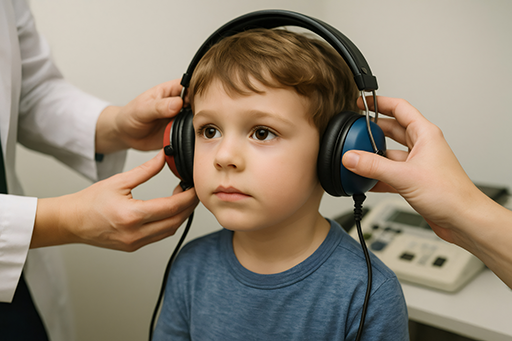
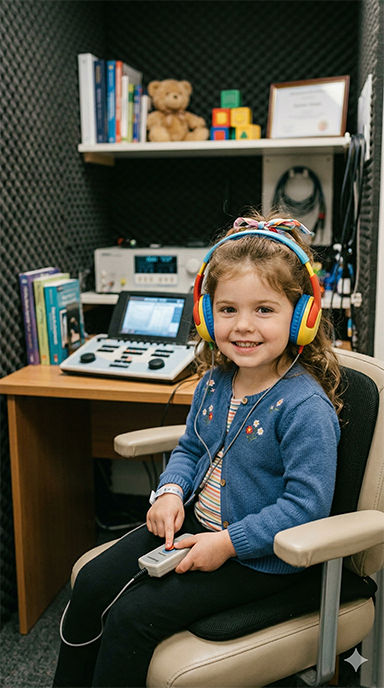
If you notice any sudden changes in the way you hear things, do not wait. Get professional help right away. Getting help early makes it easier to find the best treatment for you. Audiologists often check hearing loss with tests called audiograms. They may tell you to try hearing aids or other types of therapy.
Seeing a professional will help you keep as much of your hearing as possible. It can also make your daily life and personal time with people much better. Working with experts like audiologists leads the way to better hearing health.
Diagnostic Approaches to Detecting Hearing Loss
Finding hearing issues early is very important to help you get the right treatment. There are tests like audiograms that check how well you hear sounds at various frequencies and loudness levels. These tests show your hearing threshold and give clues about what is causing your hearing loss.
Seeing a professional also helps you find out if your hearing loss comes from problems in the ear itself or from the nerves. Knowing this helps you and your doctor pick the best way to treat your hearing loss. If you take steps now, you can look after your hearing and keep it working better for many years.
Types of Hearing Tests Available
Diagnosing hearing issues involves several tests, each designed to assess different aspects of hearing function.
Here are the most common hearing tests used by professionals:
- Pure-Tone Audiometry Measures the faintest tones a person can hear at various frequencies.
- Speech Audiometry Evaluates the ability to hear and understand speech at different volumes.
- Tympanometry Tests the movement of the eardrum to detect middle ear issues.
- Otoacoustic Emissions (OAE) Assesses inner ear (cochlea) function by detecting sound waves produced in response to stimuli.
- Auditory Brainstem Response (ABR) Measures how the hearing nerve and brain pathways respond to sound.
- Bone Conduction Testing Determines whether hearing loss is conductive, sensorineural, or mixed.
- Acoustic Reflex Testing Evaluates the reflexive response of the ear muscles to loud sounds.
These tests help identify not just the presence of hearing loss, but also its type, severity, and possible causes.
Understanding Your Hearing Test Results
Hearing test results are put on an audiogram. An audiogram is a simple chart that shows your hearing levels. The line at the bottom called the x-axis shows different frequencies in Hz. The side line named the y-axis shows how loud the sound is in dB. This chart points out the softest sounds you can hear at each frequency.
| Frequency (Hz) | Hearing Level (dB) | Interpretation |
|---|---|---|
| 250 Hz | 20 dB | Normal hearing |
| 500 Hz | 40 dB | Mild hearing loss |
| 1,000 Hz | 70 dB | Severe hearing loss |
A professional will help you understand your results. They will talk with you about what these numbers mean for different degrees of hearing loss. They will also tell you if you need hearing aids or other ways to help your hearing.
Treatment Options and Enhancing Daily Life
There are different ways to help people deal with hearing loss in day-to-day life. Hearing aids work to make certain sounds louder. This can help people with hearing loss talk and connect with others much better. It is also good to talk to hearing care professionals. They can find answers that fit your personal needs. Using new ways to talk with others can also make a big difference. These changes help people feel more sure when talking with others. They not only help with the problems that come from having less hearing range, but they also make the quality of life better. With these steps, it is possible to be part of daily life without having to hold back.
Hearing Aids and How They Can Help
Hearing aids help people with hearing loss to better connect with the world. These devices boost sound waves so people can hear sounds from many frequencies. This helps when the hair cells in the inner ear are not working as well. With hearing aids, it is easy to join normal talks and handle daily life. People can set their devices to match their own hearing needs and their personal threshold of hearing. The right settings in a hearing aid can make talking to others and living each day much better. This means people can get back to a good quality of life, even if there are different degrees of hearing loss affecting their human hearing range.
Communication Strategies for Better Interactions
Good communication is important for holding onto relationships, especially when someone has hearing loss. You can use gestures and facial expressions to help people understand you better when talking. If you talk in a clear voice and at a steady volume, it helps the sound waves get to the other person’s ear canals in the right way. Try to keep noise in the background low and talk in places that have good light. This makes it easier for people to hear and follow what is going on. When you give people these tools, you help them enjoy a better quality of life and get along with others more easily.
What is considered a dangerous decibel level for hearing?
A sound level of 85 db or higher can be dangerous for your hearing. If you are around loud noise like this for a long time, it can lead to hearing loss. It is very important to protect your ears when you are in noisy places. This will help you keep good hearing as you get older.
How often should adults test their hearing?
Adults need to test their hearing every one to three years. This is more important after age 50 or if you see any change in your hearing. Doing regular tests can help find possible problems early. With early detection, you have more ways to get help, like hearing aids or different ways to talk with others. These can make your daily life and conversations better.
Can hearing loss be completely cured or reversed?
Hearing loss can sometimes get better or be managed. But if it gets fully better mostly depends on what is causing it. If you have conductive hearing loss, it can sometimes be helped with the right medical help. Sensorineural hearing loss is often not able to be fully fixed and is usually permanent. If you find out about hearing loss early and get the best treatment, it can really make your quality of life much better.
Are there specific exercises to improve hearing?
While there are no exercises that are shown to make your hearing better right away, doing some activities can help your brain with sound. You can try sound discrimination tasks to help tell different sounds apart. Memory games or music training can also help you listen better. These things can work with other treatments, like hearing aids, to make it easier for you to hear.
What are the latest advancements in hearing aid technology?
Recent progress in hearing aid technology brings many new features. Now, many hearing aids come with Bluetooth, so you can connect them to your phone or TV. There is also better noise reduction, which helps you hear well even in loud places. Some hearing aids also have rechargeable batteries, so you don’t have to change them often. All these changes improve the sound quality and make it easier for people with hearing loss to talk and enjoy their daily life with others.