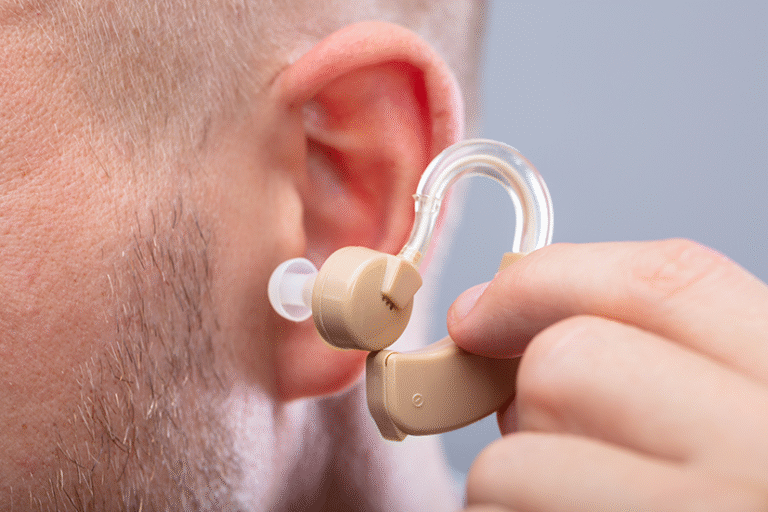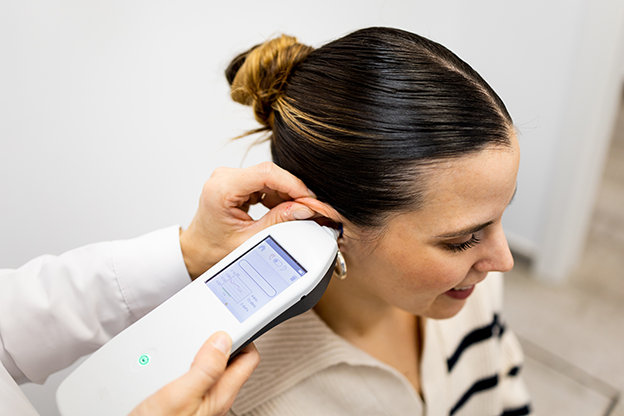
Discover why is hearing testing required for ADF recruits. Learn what this essential assessment reveals about your readiness to serve in our latest blog.
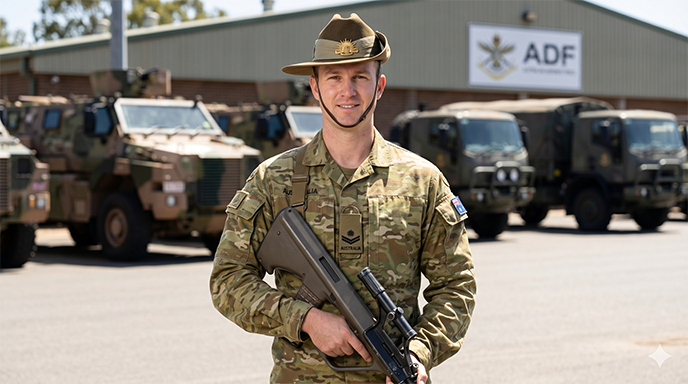
The Australian Defence Force (ADF) has some rules for medical standards that every new person must meet, and that includes your hearing. In the ADF, you have to be ready all the time. You also need good hearing, so you can stay safe and do the job the right way. The ADF makes everyone take hearing checks. These tests help find out if you are healthy enough to work and if you are allowed to join, based on ADF eligibility rules. They also check your hearing during your military service to help look after you and watch for hearing loss.
Now, let’s talk about why these hard hearing tests matter for people who want to join the ADF.
These tests are needed to make sure that ADF recruits have good hearing. Good hearing helps ADF recruits to get clear orders. It helps ADF recruits be safe and work with others as a team. ADF is about teamwork, and it is important to have ADF members with the right skills. So, ADF hearing tests are there to make sure ADF recruits can do their ADF jobs well and stay safe.
These tests help ADF check if the people joining have good hearing. ADF wants new members to hear well in all situations. They must be able to listen and act quick. If someone can not hear well, it can make ADF jobs more risky for them and for others.
The ADF does hearing tests to check if everyone can do their work in a safe way. That is why these ADF tests are not just important, but also needed for new people joining.
Importance of Hearing for ADF Recruits
Hearing is very important for people in the Australian Defence Force. The recruits need to hear well to follow what is being said. They will need to use good hearing to spot dangers, and to talk with each other, even when the job is very hard. If they have any hearing loss, they can lose these key skills. This makes it tough for them to do their jobs when it really matters.
ADF recruits count on their hearing to keep safe and to help out their team. When the military looks after their people’s hearing health, it means everyone can be ready for the hard work that comes with military service. Good hearing care also keeps the strength of the Australian Defence Force at its best for every mission.
Communication in High-Stakes Environments
In the busy world of ADF work, good talking and listening skills are very important. When someone has hearing loss, it can be hard to catch and follow key instructions in missions. If you have trouble hearing, it makes it tough to deal with strong enemies or use special tools. For ADF, hearing loss is not just a small problem. It is too big of a risk to take.
Hearing is a key part of being in military service. It helps people speak and work with others on their team. Teams need to talk clearly to do their work well. This makes sure that everyone understands what to do, and it stops confusion. It also lets them finish tough jobs better. When someone does not have good hearing, it is not only hard for them to be in the military. It can also make things unsafe for others. A person could get the wrong message, and this can bring up problems for the team.
The ADF has some medical standards to help lower risks like this. They also check each person’s hearing. This is to make sure people can hear well. It is there so someone can follow orders right away. This keeps them and others safe. This part of the job is so important that it cannot be skipped.
Safety and Situational Awareness
Safety in military places is very important and depends a lot on how much you notice around you. ADF needs recruits to listen and watch what is going on. You have to hear things such as new planes or guns. These sounds can let you know when danger is close. If your hearing is not good, you may not meet ADF medical standards. This will make it hard to stay aware. A person who cannot keep track of their area can be in trouble when things get risky.
Being alert at these times means you need to listen carefully for small sounds. You have to tell normal noises apart from calls for help, even when it is loud in the Australian Defence Force. A person who can not hear well might miss these important sounds. This could put them and their group at risk.
The Australian Defence Force checks your hearing before you can join in Australia. They want to be sure that you meet all the safety needs for military service. These steps show that a lot of work goes into getting ready for places where many things can happen.
What Does the ADF Hearing Test Involve?
The ADF hearing test is there to see if your hearing meets the ADF medical standards. It uses special tools to check how well you hear different sounds. This test helps find anything that could get in the way when you get ready to work in the ADF.
These checks do not cause pain, and they are not dangerous. They help the ADF find out if someone meets the level needed for a hearing test. This step is important for meeting ADF medical standards. It also helps the ADF know if people can work in tough places.
Audiometric Testing Procedures
The ADF gives a hearing test to all new people who join. This test is there to see if you can meet their standards. The ADF test has a few parts. Every part is important.
- Tone Testing: In this step, recruits wear headphones. They listen to many sounds and see if they can hear each one. This helps to know how good their hearing is.
- Speech Recognition Check: This test checks if recruits can hear and understand words people say. It also finds out if they can know words when there is noise in the back.
- Hearing Threshold Assessment: This part checks how soft a sound is that recruits can still hear. The test uses sounds at many different levels to do this.
- Diagnostic Equipment: This uses special machines to test the ear. These tools help to find problems in the ear, like holes in the eardrum.
These steps let the Australian Defence Force know if there are any medical conditions that could stop someone from meeting the ADF eligibility rules. The ADF uses these hearing tests to make sure all people can work well together when out in the field. By doing this, the ADF helps keep everyone safe while they are doing their job.
Common Reasons for Failing the Hearing Test
Some people do not pass the ADF hearing test. This is because they have some medical conditions. You can see these medical conditions in the table below.
| Condition | Impact on Eligibility |
|---|---|
| Tympanic Membrane Perforation | This problem makes it hard for you to hear speeches. There are gaps in how you hear sounds. |
| Severe Ear Infections | Ear infections that last for a long time can hurt the inside of the ear. |
| Noise-Induced Hearing Loss | Being around loud sounds for a long time can cause hearing loss. The damage does not heal. |
| Genetic Hearing Disorders | These are problems people are born with. They can make it much harder to hear. |
People who do not pass can see if they meet the rules for a waiver. They can also find out about steps that might help their hearing, based on their medical issue. If they want to join the military again, they need to show that their hearing has really gotten better.
Importance of hearing in military service
Hearing is very important for people in the Australian Defence Force (ADF). They need good hearing to pick up threats, understand orders, and work well as a team. Clear hearing helps them talk to each other and know what is happening around them, even in tough situations. This is a key part of how ADF personnel do their jobs every day.
Why is hearing vital in the ADF?
ADF members need good hearing. It helps them find dangers, follow orders, and do risky jobs safely. ADF tasks like finding the way, reacting in battle, and working with others all need clear and exact hearing.
| Function | Role of Hearing |
|---|---|
| Command execution | Following spoken orders in noisy environments |
| Threat detection | Identifying subtle auditory cues |
| Team communication | Exchanging critical information in real time |
| Operational safety | Avoiding accidents and miscommunication |
Managing hearing loss early can help ADF personnel stay ready for deployment. It also lets them be able to work in combat zones.
The impact of hearing loss on operational effectiveness
Hearing loss in the ADF can hurt how well a person works. It can also make the whole team less strong. When someone cannot hear well, they might miss things people say, get commands wrong, and not notice dangers as fast.
How does hearing loss affect team performance?
One person in the unit who has trouble hearing can affect the work of everyone. This can be a bigger issue if the team is moving fast or the job is risky.
Examples of affected tasks include:
- Radio-based communication can be tough. People must talk clearly and fast. There is not much time, so it is very important to get the message out.
- Close-quarter missions need people to read signs and sounds without talking much. A person has to use sound and hints to get what is going on.
- Aircraft or vehicle maintenance uses sounds a lot. A small change in noise or a new sound can tell about a problem or a fix that needs to be done.
Unaddressed hearing loss can make it more likely for people to get hurt or not finish a mission. The ADF works hard to find hearing loss early and help right away. This helps keep you safe and ready for anything.
What the ADF hearing test measures
The ADF hearing assessment checks how well you hear. It uses top clinical tools to see how you notice sounds, how clear they are to you, and if you can pick out words when there is noise.
Key areas measured:
| Test Component | Purpose |
|---|---|
| Pure-tone audiometry | Measures hearing threshold across 500–4,000 Hz |
| Speech-in-noise recognition | Assesses ability to distinguish speech from background noise |
| Tympanometry | Identifies middle ear issues like perforated eardrums |
Results show if recruits meet ADF medical standards. If a person does not have normal results, they may have more checks to see what the problem is. They could get a waiver, have medical treatment, or be given a different job.
Advancements in hearing technology for military use
Modern hearing technologies help ADF in many ways. They make talking to each other better. They also help cut down on tiredness from hearing too much noise. These tools help stop long-term damage, too.
Examples of military-grade hearing innovations:
- Tactical hearing aids help you hear people better. They make voices louder, but they lower the sound of guns or loud machines.
- Bone conduction systems help you hear what’s happening around you. They do not block outside noise, so you stay aware.
- Smart communication headsets change the volume by themselves. They do this based on how noisy things are around you.
| Technology Type | Operational Benefit |
|---|---|
| Tactical hearing aids | Enhance speech clarity in combat |
| Noise-cancelling headsets | Protect against impulse noise |
| Frequency modulation (FM) | Improve signal-to-noise ratio in communication |
The ADF shows its dedication to keeping hearing safe by using these new tools. This move helps them do better in their missions as well.
The link between hearing ability and operational effectiveness
Operational success in the ADF relies on being able to hear clearly at every stage of the mission. ADF service members need to understand orders without any confusion. They have to spot dangers fast and work well with others, even when things change suddenly.
What happens when hearing ability declines?
Hearing loss can make people less efficient at their work. It also raises the chance of things going wrong.
Impact includes:
- Misunderstanding spoken orders can cause mistakes or slow things down.
- More risk while gathering information, because hearing sounds is very important during these times.
- Team spirit drops when talking to each other doesn’t work well.
How does good hearing improve mission outcomes?
- Faster response times help people act more quickly when things change in the field.
- Stronger team coordination lets everyone work better together, especially in joint operations.
- Greater adaptability makes it easier to get things done in places that are noisy or always changing, like aircraft hangars or combat zones.
By keeping their hearing health strong, ADF members help to make sure they do well at work over time. This good hearing also helps protect the mission.
Factors That Can Affect Your Hearing Test Results
Several medical conditions can have a big effect on how a hearing test goes for new people. Things like ringing in the ears that will not stop, ear infections, and ear damage from loud work sounds can change the test results. That is why the health history of a person is very important and should be looked at before the test.
Things around us be important, too. If there is noise in the background during the hearing test, or if you do not do things the right way, it can change the result. You need to get ready before you go in for the test. This helps you not make simple mistakes. Doing this will help people have the right eligibility.
Common Hearing Impairments Among Recruits
Many people who join the ADF may get hearing loss. Here are some common hearing impairments that can cause problems:
| Impairment Type | Description and Impact |
|---|---|
| Tinnitus | A constant ringing noise in the ear makes it hard to focus while on duty. |
| Otitis Media | Ongoing ear infections make it tough to hear things right in daily life. |
| Conductive Hearing Loss | When the ear canal gets hurt, sound cannot move well inside it. |
If you deal with these problems, you may need to show ADF that you feel better. Only then can you move on with ADF medical checks and reviews.
What Happens If You Fail the ADF Hearing Test?
Not passing ADF’s medical standards does not always mean you cannot join. At this time, your eligibility is not certain. You may still get a waiver. To do this, you need to give documents that show your hearing has got better.
Sometimes, you may need to have surgery or get therapy to help you feel better. This can also help you reach the medical standards needed. But if you do not meet the ADF medical standards right now, you will have to wait. You will get checked again later. In some cases, you may be told that you cannot do any deployment jobs in the US Army at all. The ADF has this process so they can make sure people are fit for the job. This helps them find out who can work now, and who may need more time to recover.
Why does the Australian Defence Force place so much emphasis on hearing tests?
The ADF hearing test checks if you meet the medical standards needed for the job. It looks at how your hearing works for ADF work. You need to hear well, even when things get hard. Good hearing is important. It helps you speak and listen the right way. You also need good hearing for eligibility in some ADF jobs. This test helps us get ready for what we may face when we go on operation.
What happens if an ADF recruit fails the hearing test?
Recruits who do not pass can ask the ADF for a waiver. They can also try to fix the problem, such as by having surgery. When they show some improvement, their eligibility gets checked again. If the recruits still do not meet ADF hearing standards and cannot ever meet them, they will be disqualified.
Can hearing aids be used during the ADF assessment?
People who use hearing aids during tests are usually not chosen by the ADF. The ADF thinks that using one could mean the person has some medical conditions. But, if these people get better and can meet ADF standards later, they may get another chance to join.
Are there ways to prepare for the ADF hearing test?
Applicants should not be in loud places when getting ready for the test. Try to be in a quiet area. If you have any hearing loss or other medical conditions, take care of them before the exam. It can be good to see a doctor about your medical conditions or hearing loss before the test. This can help you get better results.
How often are hearing tests conducted during ADF service?
ADF hearing tests are done at times for people who work in the force. These tests are a part of their checking for medical standards. There are set times for these hearing tests to make sure everyone’s hearing is good while they are in ADF military service. This helps people know the state of their hearing and stay ready for work.