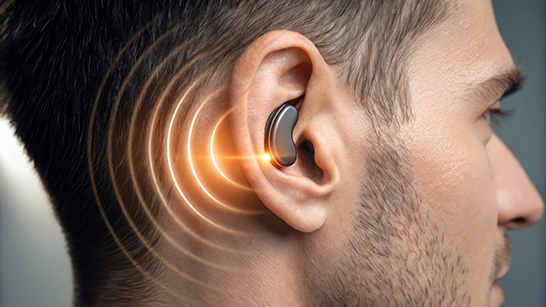
Discover what are the steps in fine-tuning a hearing aid to ensure optimal performance. Don’t waste thousands on silence—check out our blog for insights!
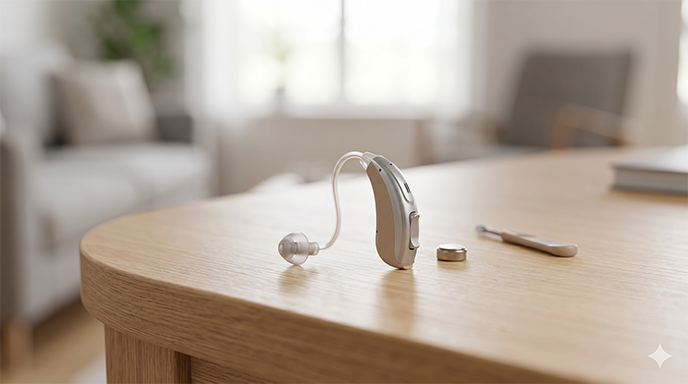
Hearing loss can make daily interactions challenging, but a well-fitted hearing aid transforms your experience and reconnects you with the world around you. Achieving optimal performance from your device is not a one-time event, but a journey involving multiple steps. Fine-tuning ensures your hearing aid matches your specific hearing needs and delivers consistent clarity. Understanding the fitting and adjustment process puts you in control, helping you get the most out of your device and improving your overall quality of life.
Understanding Hearing Aid Fine-Tuning: Why It Matters
Fine-tuning a hearing aid goes beyond the initial setup. This ongoing process is crucial for adapting to changing hearing needs and environments, ensuring your device continues to provide the best possible hearing experience. By fine-tuning, you actively improve your quality of life by reducing frustration linked to hearing loss.
Why is fine-tuning a hearing aid essential for people with hearing loss? The answer lies in personalization. Regular adjustments help you overcome unique challenges, adapting the device to maintain clarity and comfort as your needs evolve.
The Difference Between Initial Programming and Fine-Tuning
During the initial fitting, your audiologist sets up the hearing aid based on your audiogram and personal hearing profile. This stage involves programming the device to amplify the right frequencies and adjusting the physical fit for comfort. The primary aim is to match your device to your degree of hearing loss and daily hearing needs.
However, after a period of real-world use, many users notice that their hearing aid needs additional adjustment. This is where fine-tuning comes in. Fine-tuning sessions involve making subtle changes to various settings, like volume and noise reduction, based on your real-life experiences and feedback.
What is the difference between the initial programming of a hearing aid and subsequent fine-tuning sessions? Initial programming focuses on matching the device to your hearing profile, while fine-tuning addresses your evolving hearing needs, providing ongoing customization for the best possible hearing experience.
The Role of Audiologists in Customising Your Hearing Experience
Audiologists are instrumental in the hearing aid fitting process. Their expertise extends beyond selecting devices—they perform comprehensive assessments to identify your hearing needs and lifestyle requirements. By analyzing your hearing profile, they can recommend the type of hearing aid and the specific features that will benefit you most.
How do audiologists determine the adjustments needed for each user? They rely on both objective tests, such as pure-tone and speech audiometry, and your input regarding daily challenges. This personalized approach ensures your hearing aids are tailored for comfort, clarity, and optimal performance.
Throughout the adjustment process, audiologists make real-time changes, utilizing advanced hearing aid technology and real-ear measurements. Their goal is to fine-tune the settings so you enjoy the clearest, most natural sound possible, making your device a perfect fit for your individual needs.
Common Signs Your Hearing Aid Needs Fine-Tuning
If you’re a hearing aid user, you might notice several indicators that an adjustment is needed. Discomfort, muffled sounds, or trouble hearing clearly in certain environments often signal that your device isn’t meeting your current hearing needs. Even well-fitted aids can require changes over time due to shifts in your hearing or lifestyle.
Paying attention to these signs is crucial for maintaining sound clarity and comfort. Recognizing when your hearing aid needs fine-tuning keeps your auditory experience at its best.
User Experiences That Signal Adjustment Is Needed
Many hearing aid users encounter situations that suggest their device needs attention. If you’ve felt any of these, it may be time for a fine-tuning appointment:
- Speech sounds muffled or unclear, especially in busy places.
- Persistent discomfort or irritation in your ear after wearing the device.
- Background noise overwhelms conversations, making it hard to focus.
- Volume seems inconsistent or environmental sounds feel distorted.
These challenges can limit your ability to enjoy social interactions or follow conversations, especially in noisy conditions. Each person’s hearing loss and needs are unique, so your device should adapt as those needs evolve.
What are some common challenges users experience that indicate their hearing aid requires fine-tuning? Discomfort, poor sound clarity, and difficulty hearing in certain environments are all signs that adjustments are necessary for optimal performance.
Challenges with Clarity, Comfort, and Performance
Sound clarity issues are among the first things users notice if their hearing aid isn’t set properly. Words may blend together, or certain tones may seem harsh or muted. When comfort is off, you might feel pressure points or soreness, leading to reluctance in wearing your device.
How do users identify when speech clarity, comfort, or device functioning needs improvement? If you repeatedly struggle to understand speech, experience feedback or whistling, or notice changes in performance in different environments, these are warning signs your hearing aid should be reviewed.
Performance challenges often emerge in complex listening situations, such as noisy restaurants or outdoor events. If you find yourself routinely adjusting settings or removing your hearing aid for relief, a professional adjustment may be needed to restore optimal benefit.
What You Need Before Starting the Fine-Tuning Process
Proper preparation leads to smoother hearing aid adjustments. Start by gathering essential information about your hearing aid fitting, including your device’s make, model, and any past adjustment notes. List situations where you’re experiencing problems with sound clarity or comfort.
Before your appointment, think about your hearing needs—both current challenges and goals for improvement. Being ready ensures the audiologist can address your concerns efficiently, making the adjustment process more effective and focused on your unique needs.
Essential Equipment and Tools for Fine-Tuning
Modern hearing aid technology relies on specialized equipment and tools for fine-tuning. Audiologists use these to deliver precise adjustments and verify optimal performance:
- Real-ear measurement systems: These place a microphone in the ear canal to measure sound amplification.
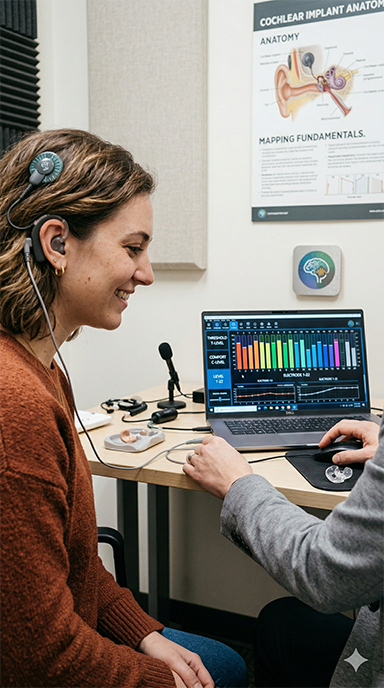
- Programming software: Audiologists connect your device to a computer to adjust various settings, such as volume and frequency response.
- Probe microphones: Used for speech mapping and assessing the response to different sounds in real time.
- Audiology-specific hardware: Devices that test hearing aid output, check batteries, and ensure equipment is functioning.
What technologies or tools are used in the fine-tuning process of modern hearing aids? These advanced tools enable your audiologist to make personalized, data-driven changes, so your device continues to match your hearing profile and daily hearing environments.
Preparing for a Fine-Tuning Appointment in Australia
If you’re in Australia and preparing for a hearing aid adjustment, start by scheduling an appointment with a qualified audiologist. Bring your hearing aid, any accessories (like cleaning tools or spare batteries), and a list of concerns or specific listening situations that have proven challenging.
Arrive prepared to discuss the fitting process—what’s working, what’s not, and any changes in your lifestyle since your last visit. Detailed feedback about your daily hearing experiences helps the audiologist tailor adjustments to your unique circumstances.
How can users get ready for a hearing aid fine-tuning appointment? Write down examples of environments where clarity or comfort is lacking, and note any physical discomfort or device concerns. This preparation ensures your time with the audiologist is productive and that your device remains a seamless part of your life.
Step-by-Step Guide to Fine-Tuning a Hearing Aid
Fine-tuning a hearing aid is a structured process designed to maximize your device’s benefit. Each adjustment builds upon the last, ensuring your hearing aid supports your unique needs. By following a step-by-step approach, audiologists can methodically assess, adjust, verify, and refine your device for optimal performance.
The sections below guide you through every stage of the adjustment process, from initial assessment to ongoing follow-up, so you can achieve the clearest, most comfortable auditory experience possible.
Step 1: Assessment of Hearing Needs and Device Performance
The first step in fine-tuning involves a comprehensive evaluation of your hearing needs and your device’s current performance. Your audiologist asks detailed questions about your daily listening environments, challenges, and communication goals. They compare your current hearing aid settings to your hearing profile and audiogram.
This initial assessment identifies areas needing improvement and sets specific adjustment goals. Feedback from you—combined with objective measurements—guides this process, ensuring every detail is addressed.
| Assessment Activity | Purpose |
|---|---|
| Review user’s hearing history | Understand changes and assess progress since last fitting |
| Examine hearing aid performance | Identify technical or functional issues |
| Discuss daily environments | Pinpoint unique listening challenges and goals |
| Compare audiogram and device data | Ensure settings match current hearing profile |
Can you walk me through the step-by-step process of fine-tuning a hearing aid after it’s been fitted? It starts with this thorough assessment, laying the foundation for personalized adjustments in the next steps.
Step 2: Adjusting Settings and Features for Optimal Sound Quality
Once your needs are assessed, the audiologist uses advanced hearing aid settings to personalize your device. Adjustments may include volume, frequency response, and noise reduction features. Each tweak targets specific challenges you’ve identified, such as trouble hearing in noisy rooms or difficulty with soft voices.
What specific settings or features are typically adjusted during the fine-tuning of a hearing aid? Key areas include amplification at different frequencies, directional microphones, feedback suppression, and environmental adaptation modes.
This stage often involves real-time listening, where you test the changes immediately. By focusing on both comfort and clarity, the audiologist ensures that the device enhances your auditory experience, helping you engage confidently in any setting.
Step 3: Using Real-Ear Measurements and Modern Technologies
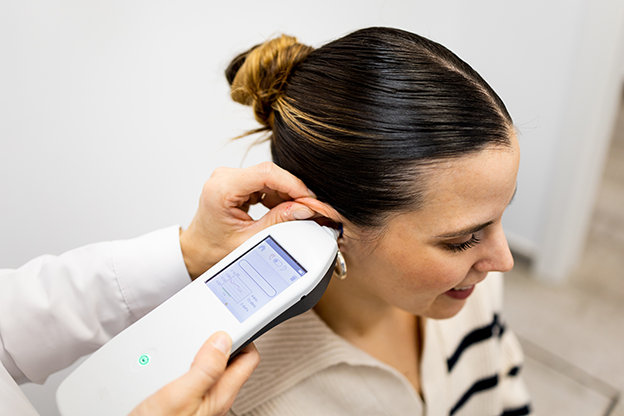
Real-ear measurements (REM) are vital for precise hearing aid-fitting. The audiologist inserts a tiny microphone into your ear canal to measure how your hearing aid delivers sound in real-world conditions. This step ensures that amplification aligns perfectly with your hearing loss profile and prescribed targets.
Can you explain the role of real-ear measurements in the hearing aid fine-tuning process? REM provides objective feedback, confirming that the device isn’t just programmed to your audiogram—it’s delivering the correct sound levels in your unique ear shape.
Modern technologies also enable real-time speech mapping and remote adjustments. These advances allow for a more accurate and efficient fine-tuning process, resulting in improved clarity, comfort, and satisfaction for hearing aid users.
Step 4: Verifying Results and Planning Follow-Up Sessions
Verification is the final step, where your audiologist confirms that all adjustments are working as intended. This involves both objective tests, like repeating speech measurements, and subjective feedback from you about clarity, comfort, and overall satisfaction.
How do audiologists determine when a hearing aid needs further fine-tuning after the initial fitting? They monitor your progress through scheduled follow-up appointments, listening to your experiences and using data from the device to assess performance.
If further tweaks are necessary, your audiologist schedules additional sessions. Regular follow-ups help maintain optimal performance as your hearing needs or lifestyle change, ensuring your hearing aid continues to deliver the best possible auditory experience.
DIY Fine-Tuning: Is It Safe and Effective?
With the rise of user-friendly hearing aid technology, DIY fine-tuning has become easier. Many devices offer smartphone apps for basic adjustments—volume, environmental modes, and program selection. While this flexibility appeals to many users, there are risks involved.
Self-adjustment can lead to mistakes, such as unintentionally reducing amplification or increasing feedback. DIY methods may work for minor changes, but they can’t replace the expertise of an audiologist, especially when it comes to verifying device output using real-ear measurements.
For best results, use DIY features as intended and consult your audiologist for significant issues. Professional input ensures safety, comfort, and the highest sound quality from your device.
When Self-Adjustments Are Possible
Many modern hearing aids allow users to make minor adjustments at home. Through apps or device buttons, you can tweak volume, switch between environments, or activate noise reduction features. This level of DIY control is helpful for adapting to everyday situations and personal preferences.
However, self-adjustment is best reserved for simple changes. If your hearing needs shift significantly or you notice ongoing clarity or comfort issues, it’s crucial to involve an audiologist. They have the tools and expertise to address complex problems that at-home methods cannot resolve.
Are there DIY methods or tutorials for fine-tuning a hearing aid at home, and how safe are they? Tutorials are available, but always follow best practices and avoid making major programming changes without professional guidance.
Risks and Best Practices for At-Home Adjustments
Making adjustments at home has its risks. Incorrect settings can result in reduced sound clarity or even further discomfort. It’s easy to accidentally override important environmental or feedback controls, limiting your device’s effectiveness.
Best practices for at-home adjustment include:
- Only use manufacturer-approved apps or interfaces for changes.
- Keep a record of all adjustments, so you can share them with your audiologist.
- Never attempt to open or physically modify your device.
- If sound clarity or comfort worsens, schedule a professional appointment.
What are the risks and best practices for fine-tuning hearing aids at home? While DIY offers convenience, it’s essential to recognize its limits. For lasting performance and safety, combine minor self-adjustments with regular audiologist visits.
How Often Should Hearing Aids Be Fine-Tuned?
Regular adjustments are crucial for keeping your device at peak performance. The schedule for hearing aid users depends on changes in hearing needs, device age, and lifestyle shifts. Typically, audiologists recommend check-ups every six to twelve months.
This routine helps you address subtle changes before they become bigger problems. Sticking to a fine-tuning schedule ensures your hearing aid continues to deliver optimal performance, supporting your communication and overall quality of life.
Recommended Schedules for Optimal Performance
For most people, fine-tuning should be part of a regular care routine, especially during the initial months of use when the fitting process is still being adjusted. Here’s what audiologists suggest:
- Schedule a follow-up visit two to four weeks after your initial fitting.
- Continue with appointments every six to twelve months as recommended.
- Seek prompt adjustment if you notice sudden changes in your hearing or device performance.
How often should fine-tuning appointments be scheduled? Early and regular follow-ups are the best way to guarantee your device remains in sync with your hearing profile, helping you adapt as your needs change.
Factors That Influence the Frequency of Fine-Tuning
Several aspects affect how often you’ll need to adjust your hearing aid settings. The nature of your hearing loss, the complexity of your daily environments, and even the specific type of hearing aid all play a role.
If your hearing loss is stable and your environments don’t change much, annual check-ups may be enough. For those with fluctuating hearing or highly variable lifestyles, more frequent adjustments are needed.
What factors influence the frequency of hearing aid fine-tuning? Shifts in your hearing needs, changes in your daily routine, and upgrades in hearing aid technology all impact how often you’ll need professional help ensuring your device delivers the best possible hearing experience.
How do I know if my hearing aid is properly fine-tuned?
You’ll know your hearing aid is properly fine-tuned when sounds are clear, comfortable, and natural across different environments. If you’re not adjusting settings constantly and speech is easy to understand, your adjustment process is likely complete, ensuring optimal performance.
What technologies are used in modern hearing aid fine-tuning?
Modern hearing aid fine-tuning uses digital programming software, real-ear measurements with in-ear microphones, and sometimes speech mapping. Audiologists rely on these technologies to accurately adjust devices and verify that amplification matches your hearing profile for the best results.
Can I fine-tune my hearing aid at home safely?
DIY adjustments—like changing volume or programs using an app—are generally safe if you follow manufacturer instructions. However, more complex fine-tuning involves risks, so always consult an audiologist for significant changes or if you experience persistent problems.
What’s the difference between initial fitting and ongoing fine-tuning?
Initial fitting programs the hearing aid based on your hearing profile and ensures physical comfort. Ongoing fine-tuning refines settings over time, responding to your individual needs and changes in hearing, environment, or device performance, for continuous optimal benefit.