Curious about what happens during a pure-tone hearing test for drivers? Discover the process and its significance for your driving future in our blog!
You need to hear well not just for talking with people, but also to be safe when you are on the road. A pure-tone hearing test is a big part of that. It is very important for drivers, especially for people who drive big trucks or buses for work. The test helps you and others know if you have the hearing skills needed for safe driving and for following license rules. Taking care of your hearing health should always come first. The hearing test is there to check not only how well you hear, but also to remind you why it matters so much for your job, for you, and for everyone on the road.
Understanding Pure-Tone Hearing Tests for Drivers in Australia
Drivers in Australia have to take pure-tone hearing tests during audiometry checks. These tests help find out if you can hear a good range of frequencies. You will take the tests in quiet rooms. This helps to cut out background noise so the results are more right.
These hearing checks matter a lot for commercial drivers. They help find early signs of hearing loss and make sure that drivers follow the transport rules in Australia. When commercial drivers get tested, they look after their work on the road and also keep their licenses safe.
What is a Pure-Tone Hearing Test?
A pure-tone hearing test is used to see how well you can hear sounds. The sounds will be at different frequencies and decibel levels. During the hearing test, you wear headphones. You will listen to sounds that are high or low, and some will be loud or soft. Each ear gets tested on its own. This hearing test will help find out the softest sounds you can hear. These are called your hearing thresholds.
This test is an important step in audiometry. It checks how you hear sound in Hertz (Hz), which is also called hertz. This test lets you see how well you hear different tones. These tones go from the very low bass sounds, like those at 50-60 Hz, all the way up to high sounds near 10,000 Hz. The test also checks loudness. It does this by using decibels (dB), or db. A lower number in the results shows that your hearing health is good.
You see your results on an audiogram. This is a graph that has the frequencies (Hz) at the bottom, and the decibel (dB) levels on the side. The dots on this graph show your hearing thresholds. This picture is important because it helps people who test your hearing find any problems. It shows how well you hear and what steps need to be taken next.
Why Are Hearing Tests Important for Australian Drivers?
Hearing tests are very important for drivers in Australia. If you work in a driving job, you should have a hearing test. These tests can help find many types of hearing loss. For example, a hearing test can show if you have hearing loss in the inner ear. It can also show if you have conductive hearing loss or any other type of hearing loss. All of this is good for your safety on the road. It also helps you follow the rules for drivers.
The Department of Transportation asks drivers to get a hearing test. This test is to see if your hearing is good enough for a licence. If you are a commercial driver, you may carry people or goods. You may also drive big or heavy vehicles. If you do not have good hearing, you could miss sounds that are important when you drive.
If you want to renew your licence in Australia, you need to do a hearing test. This rule is there to make sure drivers are healthy on the road. The hearing test helps keep everyone safe and lets people keep their licence as long as they pass.
Inside the Quiet Booth: The Step-by-Step Process
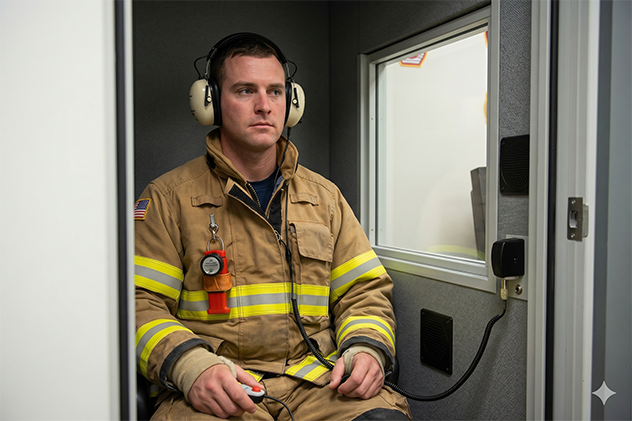
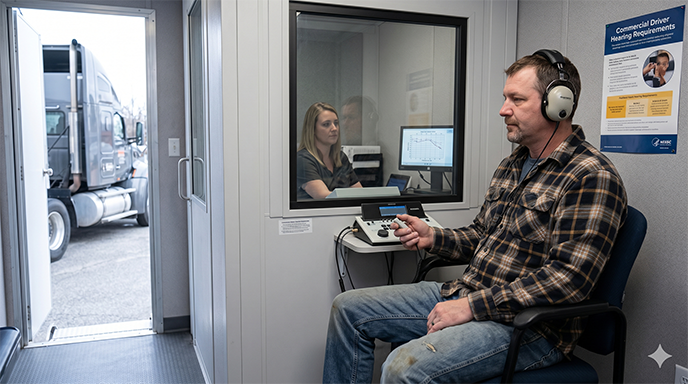
When you have an audiometry test, the place where you sit matters a lot. You will be in a quiet booth during the test. This booth keeps out all background noise. It makes sure you get the right results on the audiometry test, if you use earphones or headphones.
During the audiometry test, there will be an examiner with you. The examiner will tell you how the audiometry test goes. They will also show you the equipment, such as the audiometers. When there is no background noise, the examiner can check your hearing better. This way, you get test results you can trust.
What to Expect Before the Test Begins
Before you start the hearing test, there are some things you need to do. The examiner will talk to you and say what you have to do. They will check the booth and make sure there is no background noise in the room. Your ears must be clear and not blocked by wax. Try to stay away from loud sounds before you go in for the hearing test. If you have a cold or feel sick, be sure to tell the examiner. This is important, because it can change the results of your test.
You will use earphones for this test. The earphones put sounds right into your ears. Listen to what the examiner says very carefully. You will give your answer by moving your hand or by pressing a button. This is the way the examiner checks how you hear.
Take care of your hearing health before you go for the test. Try to stay calm and relaxed. If you are ready, you will get the best results.
How Pure-Tone Audiometry is Performed
Pure-tone audiometry is an important test used to check hearing thresholds at different frequencies and sound levels. This test happens in a quiet room. It helps audiologists find out the softest sounds that a person can hear in each ear. This is useful for finding hearing loss and for making an audiogram.
| Step | Description |
|---|---|
| Quiet Booth Setup | Testing is done in a soundproof room to eliminate background noise interference. |
| Use of Headphones/Earphones | Specialized devices deliver tones directly and independently to each ear. |
| Frequency Range Testing | Tones span from 250 Hz (low) to 8,000–10,000 Hz (high) to test hearing range. |
| Decibel Level Detection | Sounds are presented from soft (0 dB) to louder levels to find hearing thresholds. |
This clear process gives you the right results that help make your audiogram. These results help guide what the next steps will be for your hearing care and how your hearing aids will fit.
What Do Your Pure-Tone Hearing Test Results Mean?
Your hearing test results are put on a chart called an audiogram. This chart helps you see your hearing thresholds. It shows how well you can hear sounds at different pitches, called hertz, and at different sound levels, called decibels. The audiogram tells you the degree of hearing loss you have. This can be mild or it can go up to profound.
When you read these results, you will know what to do next. They help you find out if you have hearing loss or if you need to meet rules for a license. The results tell you how your hearing is right now. They also help you see if you need more help, like getting hearing aids.
Standards and Passing Criteria for Driver’s Licenses
Meeting the CCMTA medical standards is important if you want to get a driver’s license. You need to have hearing that fits within the right hearing thresholds. This is checked by seeing if you can hear sounds, like whispered words or tones at 500, 1000, and 2000 Hz. These medical standards help to show if you are ready to drive safely.
You must be able to hear someone whisper on purpose from five feet away. Or you need to show that you have just a small hearing loss of 40 decibels when you take an audiometric test. The people who check you use these medical standards. They do this to help keep you safe, and also to protect the public.
If the applicants do not reach these markers, they might need to get special approval. They could also use hearing aids. This will help them meet the rules about hearing loss. It is important for them to stay safe on the road.
Can I wear hearing aids during my driving hearing test in Australia?
Yes, you can use hearing aids in Australia during hearing tests. This is to help people meet the right licensing rules if they need help to hear. You should tell your examiner about your use of a hearing aid before you take the test. This lets them write it down the right way.
If you use hearing aids during your driving test, you must wear them every time you drive. You need to bring extra batteries or other power sources for your hearing aids. This helps make sure your hearing aids keep working when you are on the road. These rules help to keep your hearing clear for safety, so you can use your hearing aids well when you need them most.
What can cause someone to fail a pure-tone hearing test?
Failing a hearing test can be due to several reasons, like:
- Conductive hearing loss can happen when the middle ear has a blockage or infection.
- The inner ear can get permanent damage. This can make it hard to hear some or all sounds.
- A torn eardrum can stop sound from going through the ear like it should.
- Tinnitus is when you feel a ringing in the ear. This can make it hard to hear the right tones.
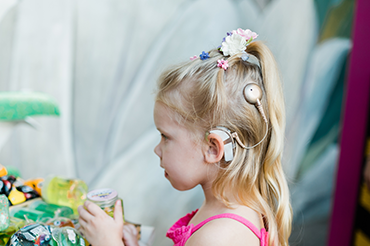
If someone has bad damage to the auditory nerve, they can get hearing loss that does not go away on its own. A doctor can help with these hearing loss problems. Some people use hearing aids or cochlear implants to make hearing better. These things can help the person get some or most of their hearing back.
How often do drivers need to take hearing tests?
Drivers must take hearing tests because the department of transportation has rules that they have to follow. People who are older, or drive in loud places, need to take hearing tests every now and then. This is to make sure that the drivers meet medical standards. By doing this, the roads stay safe for all people.
Are there exemptions for commercial drivers with hearing loss?
Some commercial drivers with hearing loss may be able to get an exemption from the department of transportation. This can happen more often when it is for emergency vehicles. The department looks at each request one at a time. You have to give medical proof to support what you say.
How should I prepare for my pure-tone hearing test?
To get ready for a hearing test, try to stay away from loud noises before you go in. You should make sure your ears are clean for the test. Be in a quiet environment and try to relax before it starts. When the examiner gives you instructions, listen closely to what he says. Get used to wearing the earphones, as this can help you do well on the hearing test.